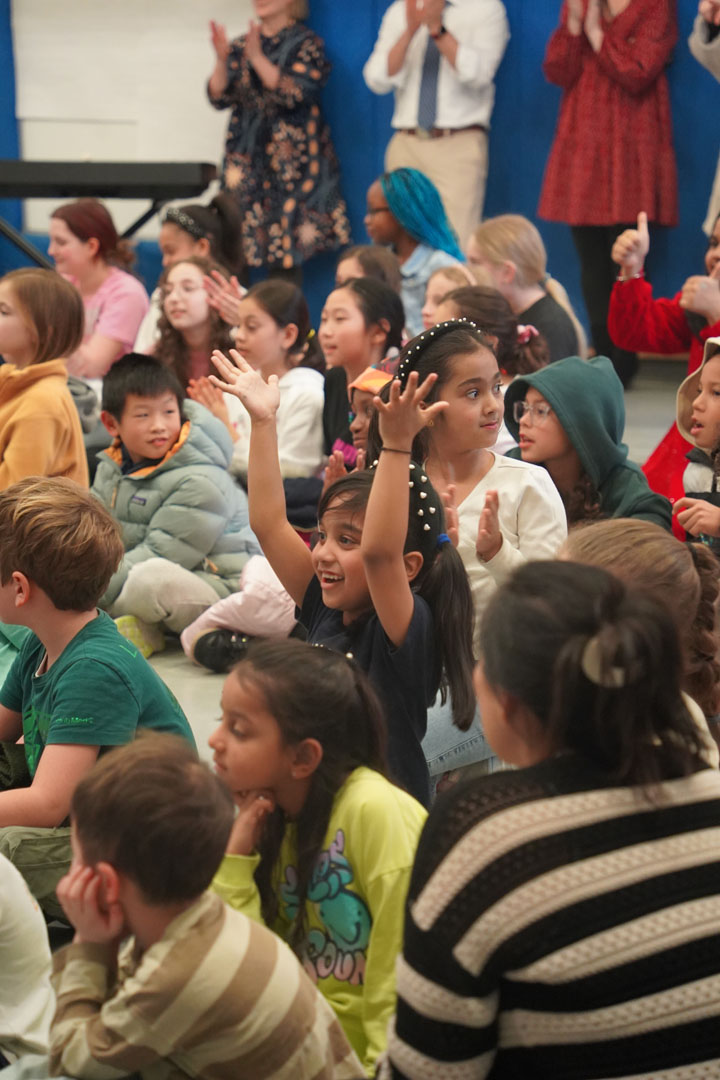

“At the center of language study is a deeper understanding of other cultures, and part of that is really embracing the humanity of another culture and really trying to put yourself in their shoes,” explained Mr. Mike Hegedus, D-E Department Chair of World Languages. “In learning a new language, you understand their perspectives, their practices, and their community.”
It’s a philosophy that speaks to our mission at D-E, from the Upper School (US) and Middle School (MS) to the Lower School (LS), to embrace diversity and meet the challenges of a changing world.
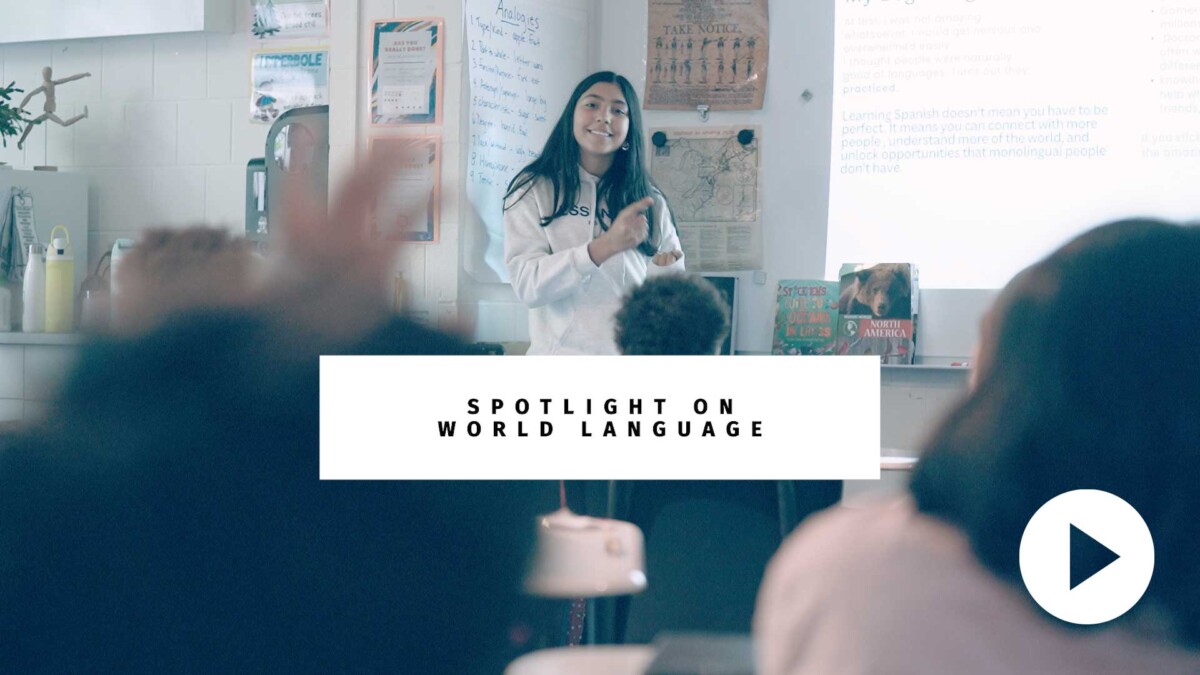
World Languages is the next in our Department Spotlight Series—watch the highlight video here—and read on to discover more about language learning at D-E.
Language Learning Across Divisions
“I get to work with all sorts of students [and faculty/staff], whether I’m in a Middle School classroom, whether I’m teaching Chinese diction to Lower School students who are learning a new song, whether I’m practicing French with a colleague, I get to use language every day, and just have fun and be in community with all the people that are part of D-E,” said Mr. Hegedus, who is completing his first year at D-E. “It’s a really special place, and it’s unique, and I’m loving it.”
D-E provides instruction in Spanish, French, Latin, Greek, and Mandarin Chinese, with language education beginning at the Pre-K 3 level.
“One of our Spanish teachers, Sra. Janet Garcia-Levitas, is working with students from a very young age to make Spanish just another part of their day,” said Mr. Hegedus. “They don’t see it as a separate language or something different; they see it as interacting with each other, using Spanish.”
Sra. Diana Sanchez, another LS Spanish Teacher, who teaches Fourth and Fifth Graders, assigns a project for which students interview Spanish-speaking guests from the wider D-E community; for example, LS Assistant Principal Ms. Madeleine Lopez, Orchestra Director Mr. Diego Garcia, and Chef Fernando.
“The students create complex questions, they ask the question, and they start learning more about the different cultures and the different tongues they speak in different countries,” explained Sra. Sanchez.
For other group projects, added Sra. Sanchez, students create posters written in Spanish about their dream homes and design Hispanic restaurants with menus, and then role play scenarios to practice their conversational Spanish.
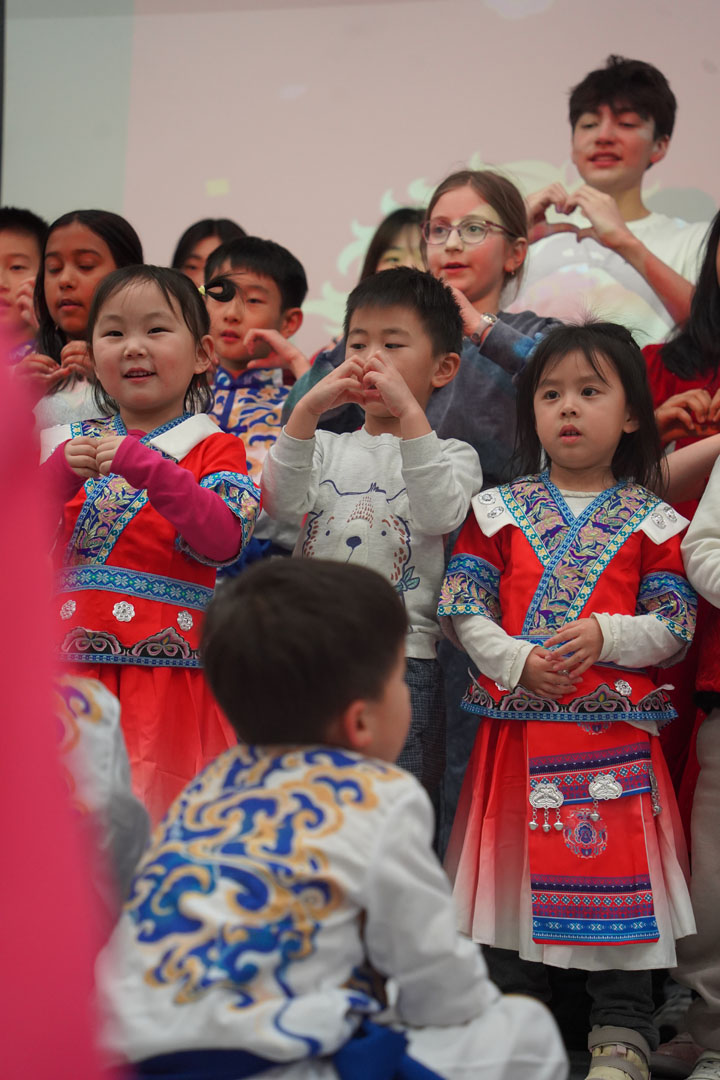
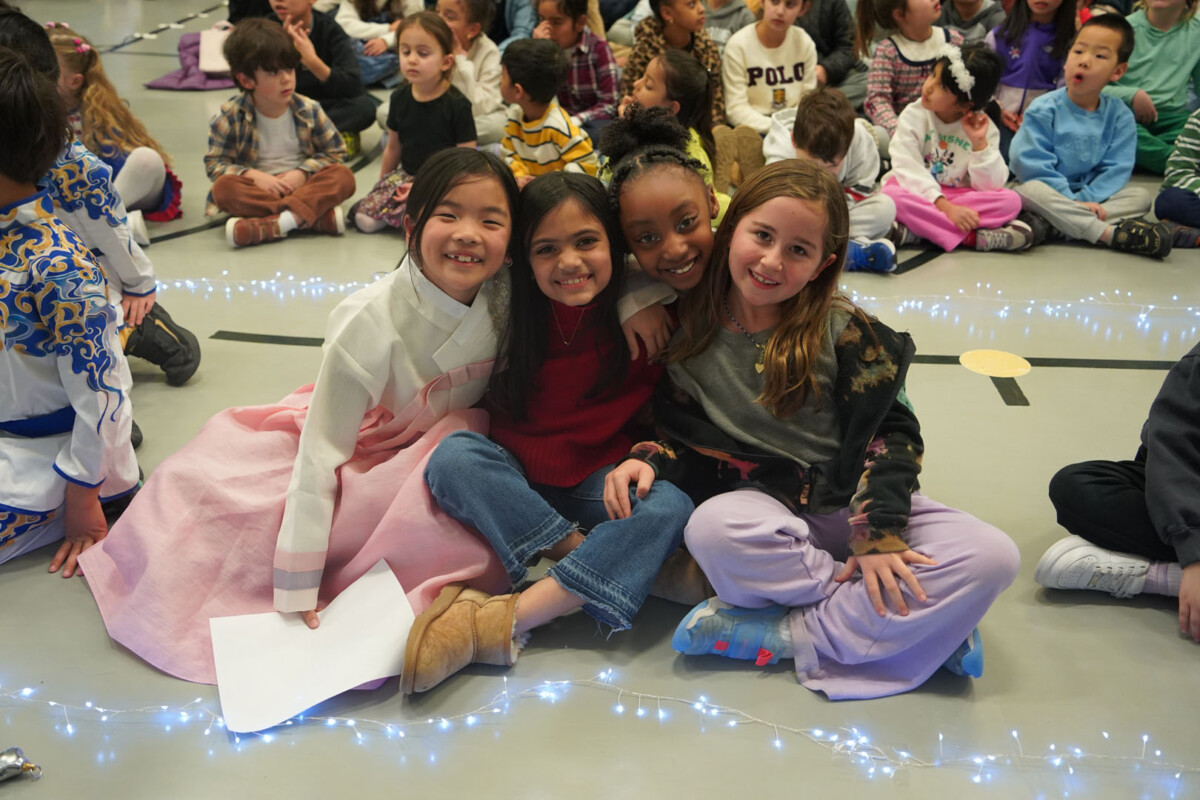
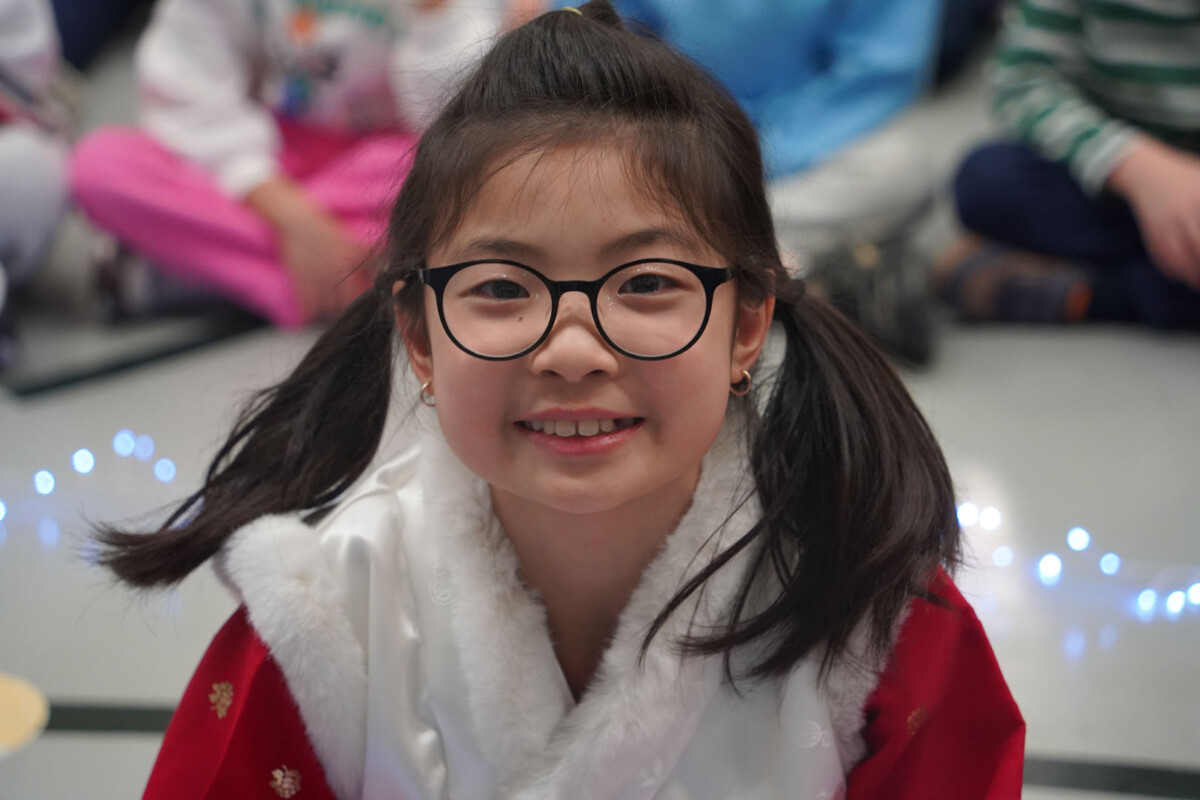
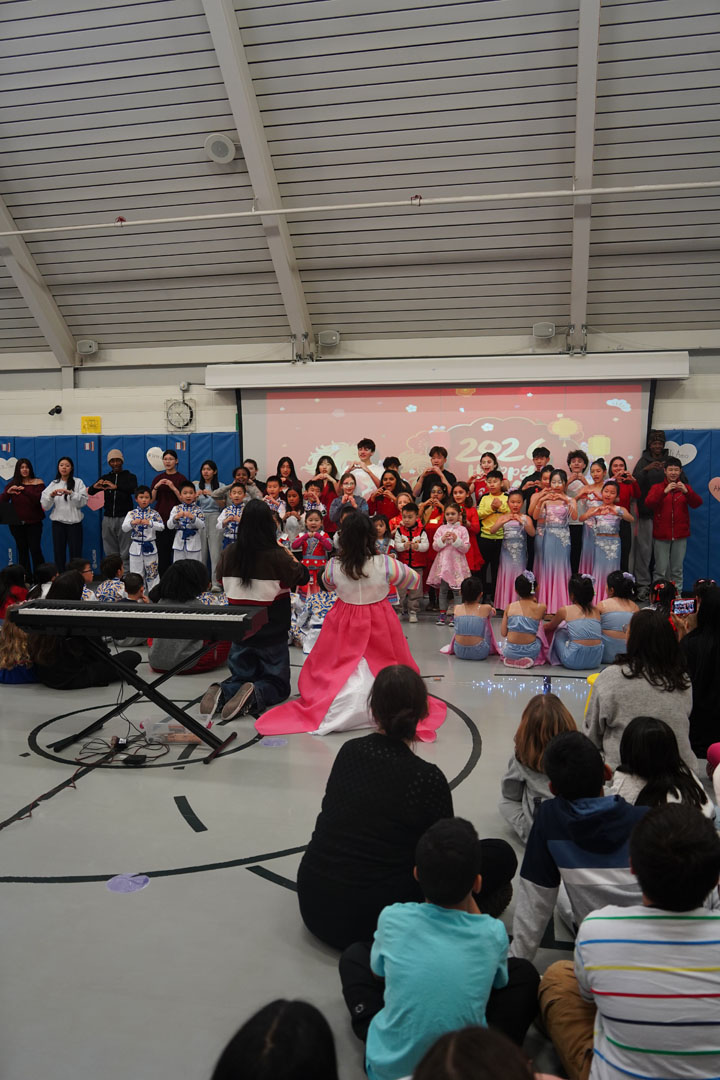
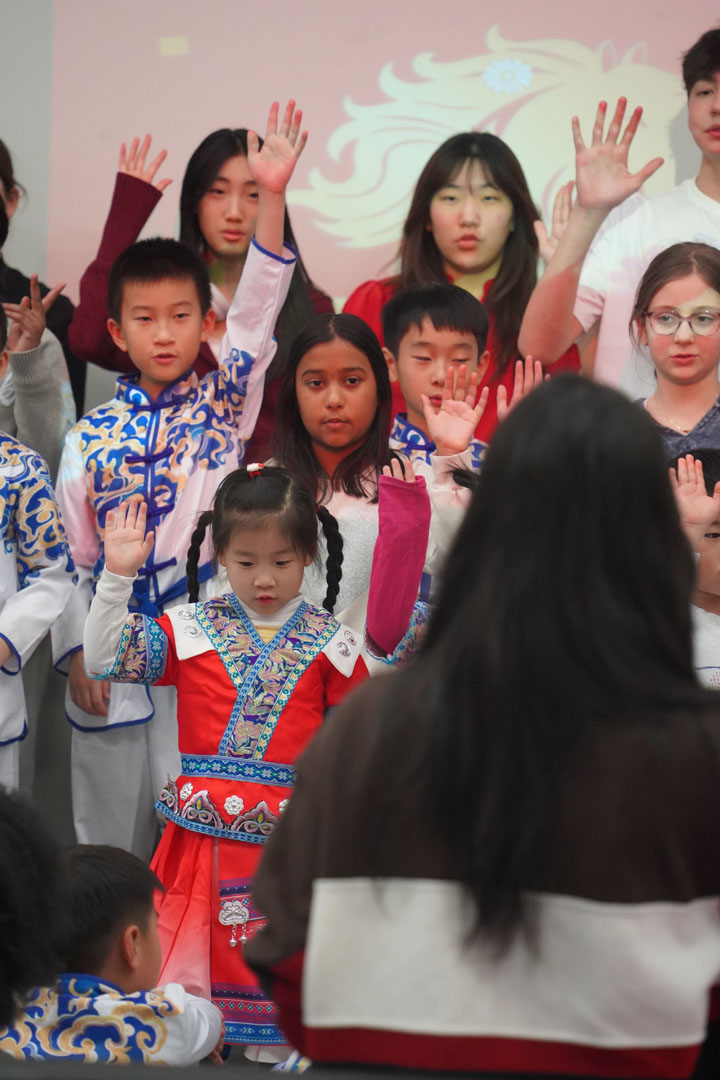
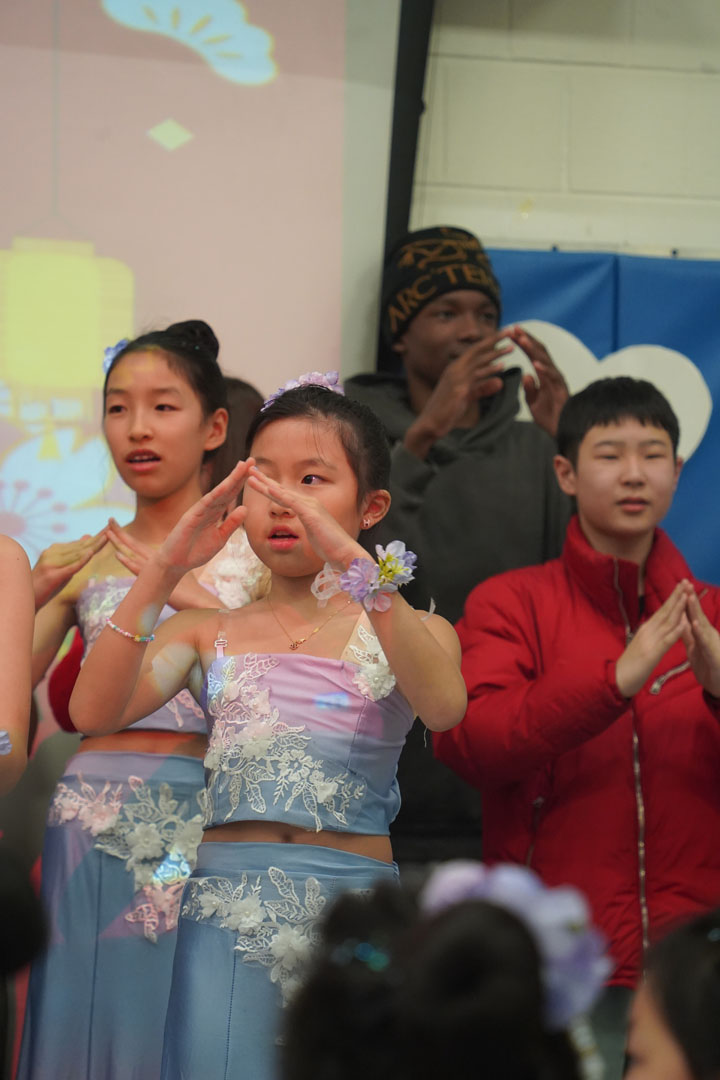
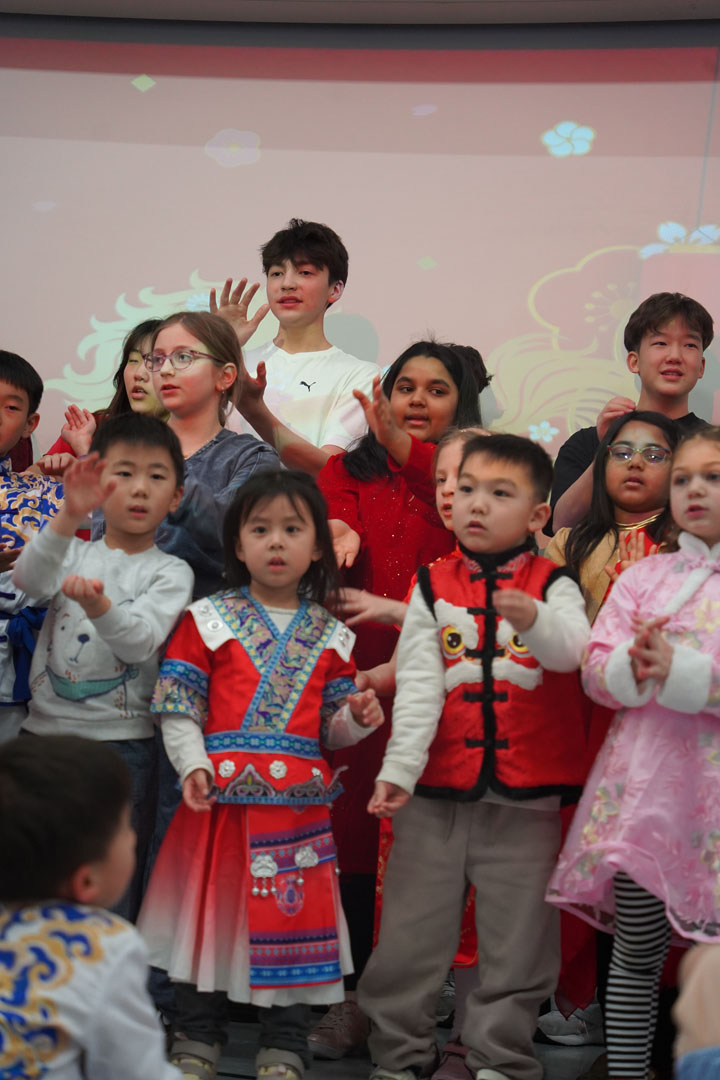
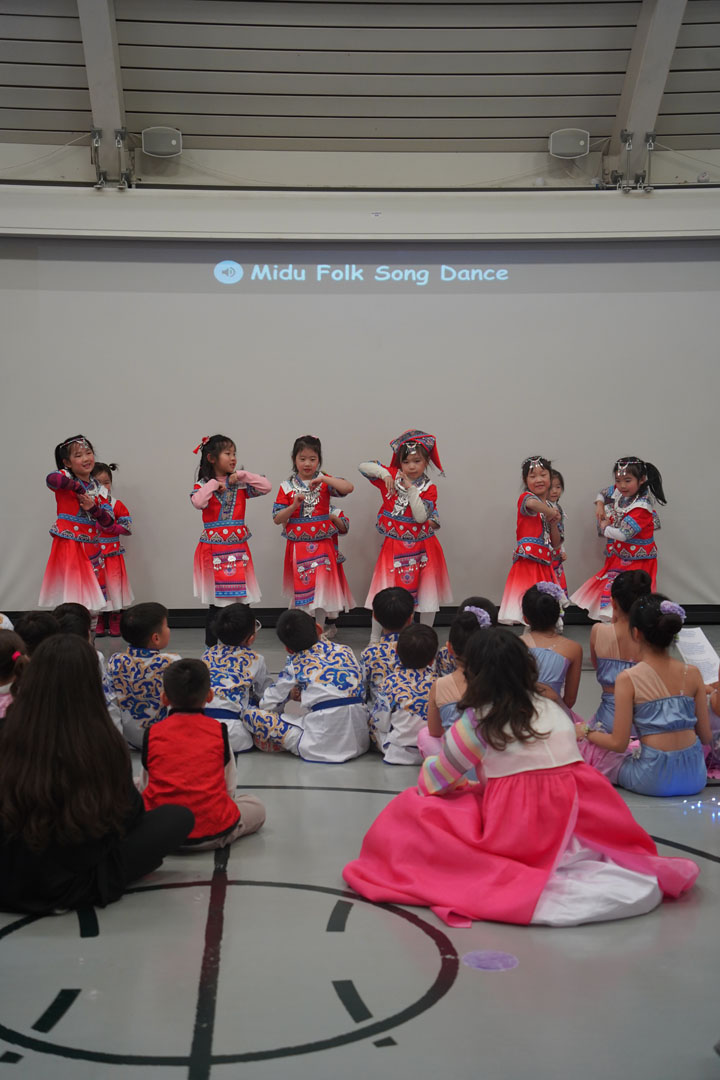
And there are more opportunities to come across divisions, as Mr. Hegedus said he is working on growing the Mandarin program at D-E, including in the Middle School and with involvement of the Lower School in the Lunar New Year celebrations.
US French Teacher Madame Renée-Claire Pritchard said she appreciates when students practice their language skills outside of class. “Sometimes they come back from vacation,” she relayed. “They say, ‘Oh, Madame, I went to Martinique.’ ‘Oh, Madame, I went to Paris, and I was able to order at a restaurant.’”
“I think in language learning, there are so many different levels of competency, and even if you are just beginning, you can be excellent,” said Madame Pritchard.
Sra. Sanchez noted that students shouldn’t fear making a mistake when speaking in front of others. She tells her students “it’s very important to make mistakes because this is how we learn,” adding that it’s more valuable to learn to converse in Spanish than to translate the language word for word.
Innovation In Action
“The great thing about languages is that you can apply them in virtually any area of your life, whether that’s in the classroom, whether that’s on our campus or in their own daily lives outside of the school,” said Mr. Hegedus.
For instance, Sra. Rubalcaba Garrido’s World Language MS class has visited the Nettie-Louise Coit Teaching Garden and Apiary on campus to learn the Spanish words for “bee” (abeja), “honey” (miel), and other related terms.
“Sometimes to innovate, we just need to do things a little bit differently. It’s not about technology or being futuristic,” explained Dra. Ericka Collado, US Spanish Teacher. “For example, using academic texts, using videos, audios, music, and exposing the students to different types of activities that have the same goal, which is to promote the learning of the language.”
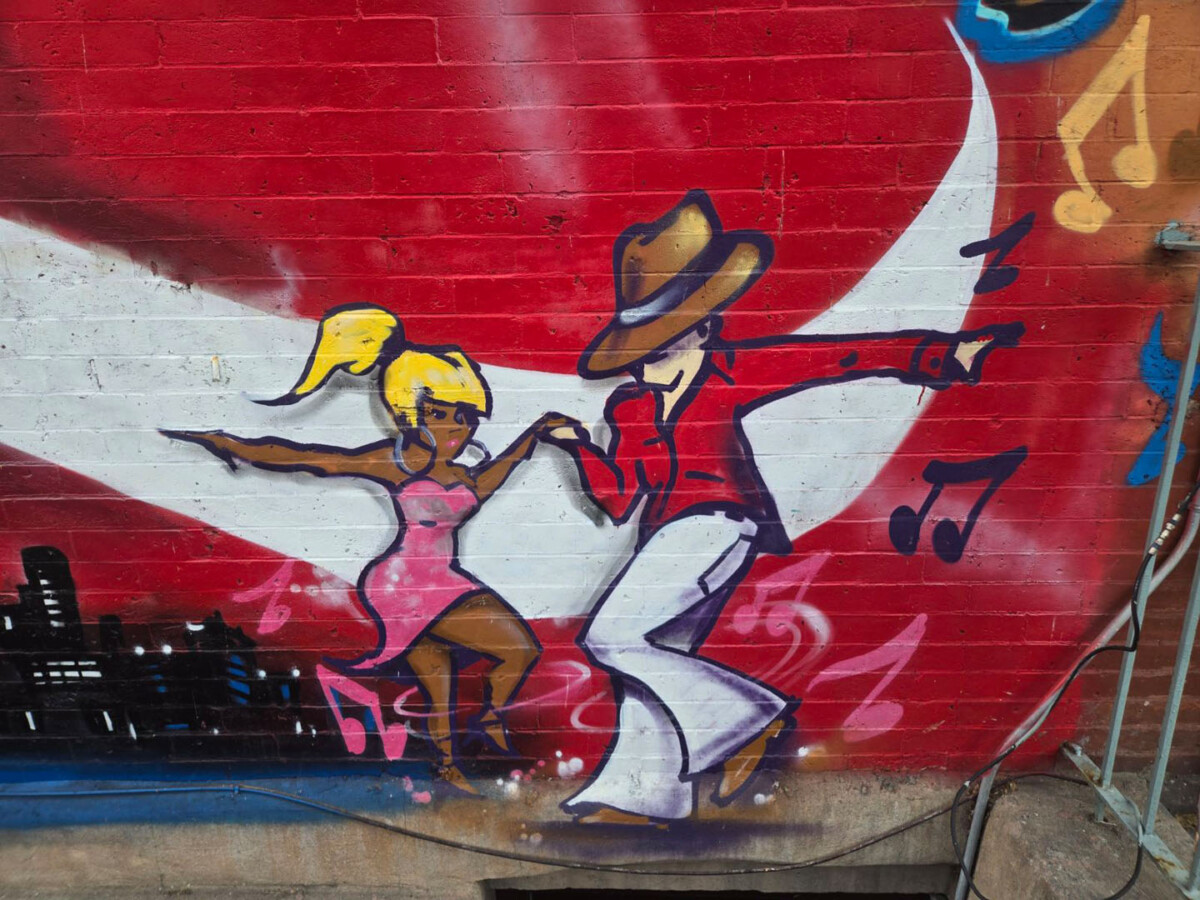
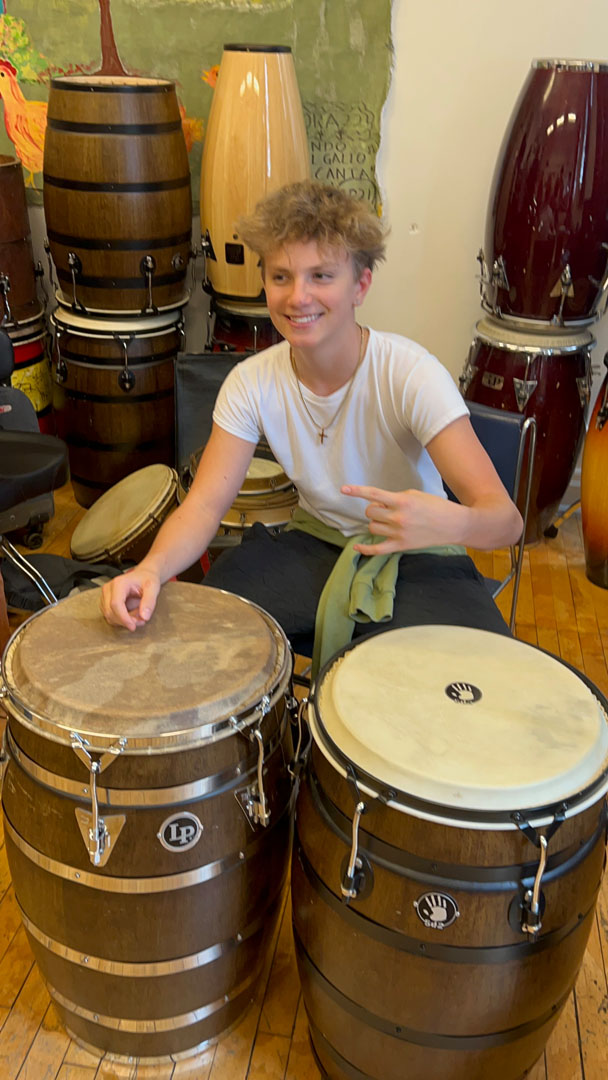
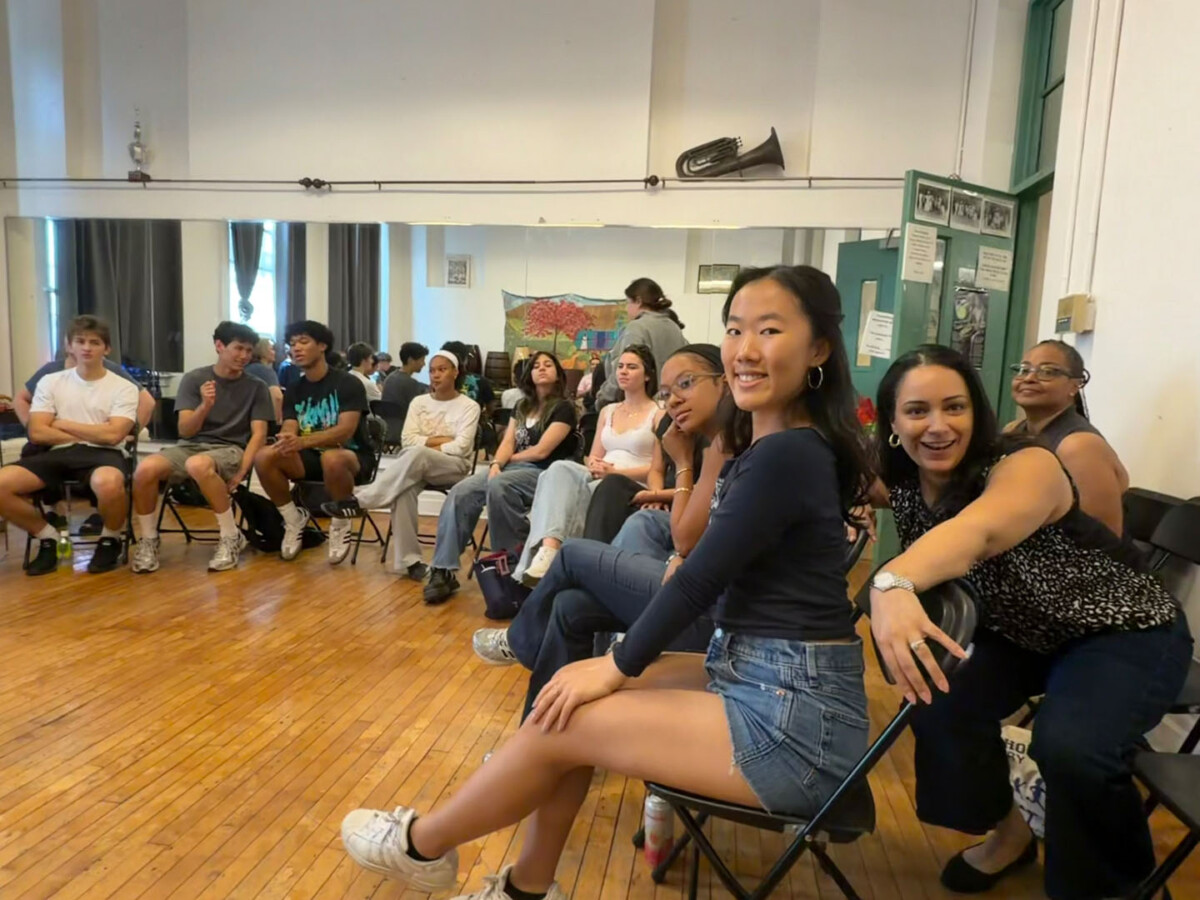
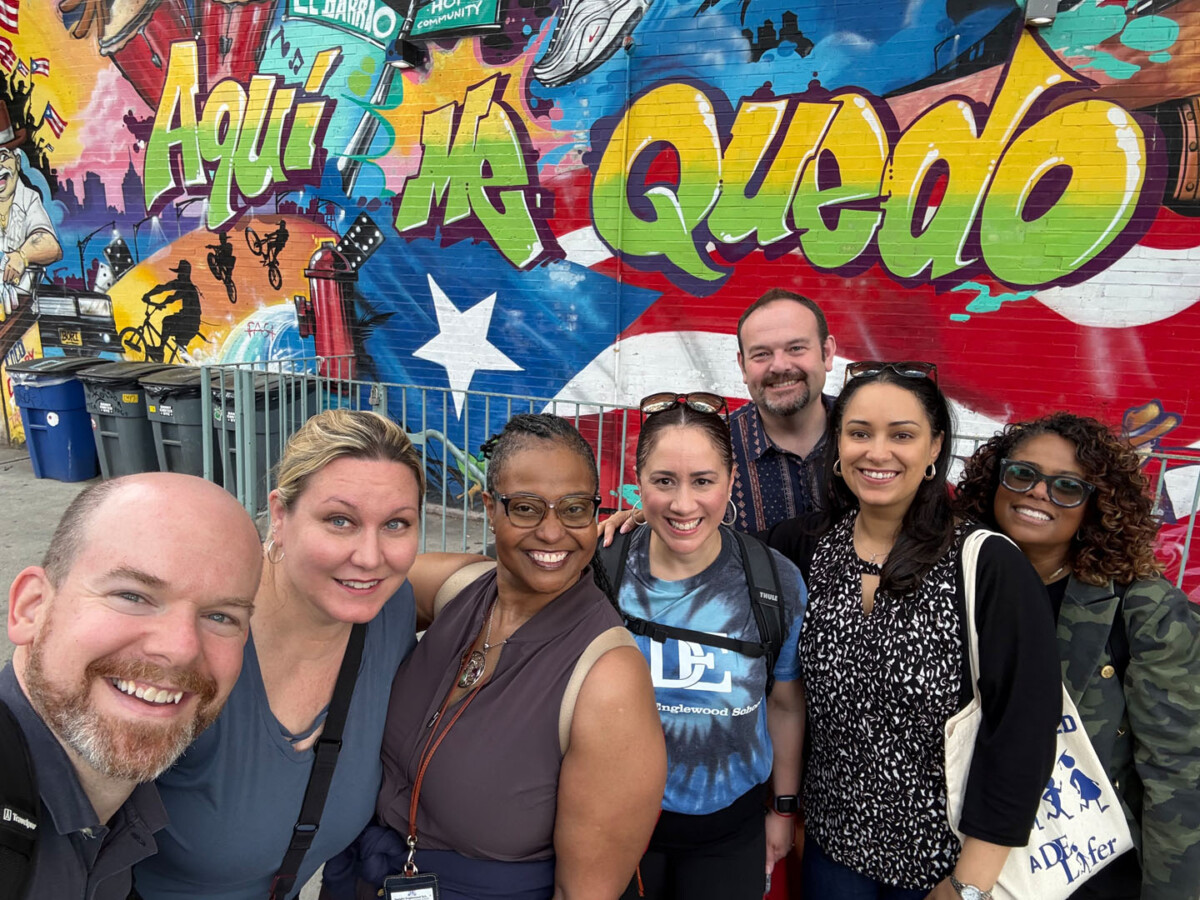
Dra. Collado introduced an Afro-Latinidad Spanish elective this spring, for which her class took a field trip to East Harlem with Sra. Dori Levin’s Spanish 6: Language & Culture class and US Dean Stephanie “Tuc” Tucker’s Dance class. During the workshop, the nonprofit arts and community organization Los Pleneros de la 21 guided both students and faculty through Bomba and Plena Afro-Puerto Rican music and dance.
"I felt immersed in the activity as opposed to just observing"
“This is one of the most fun and engaging field trips I’ve been on so far,” said Kenneth Seymour ’26. “I felt immersed in the activity as opposed to just observing, and it connected beautifully to the Afro-Latino history we’ve studied in class. It was very special to me to learn and play music deeply rooted in rich cultural tradition.”
Similarly, Madame Pritchard regularly provides a special music activity where students learn the lyrics of popular French music from around the Francophone world.
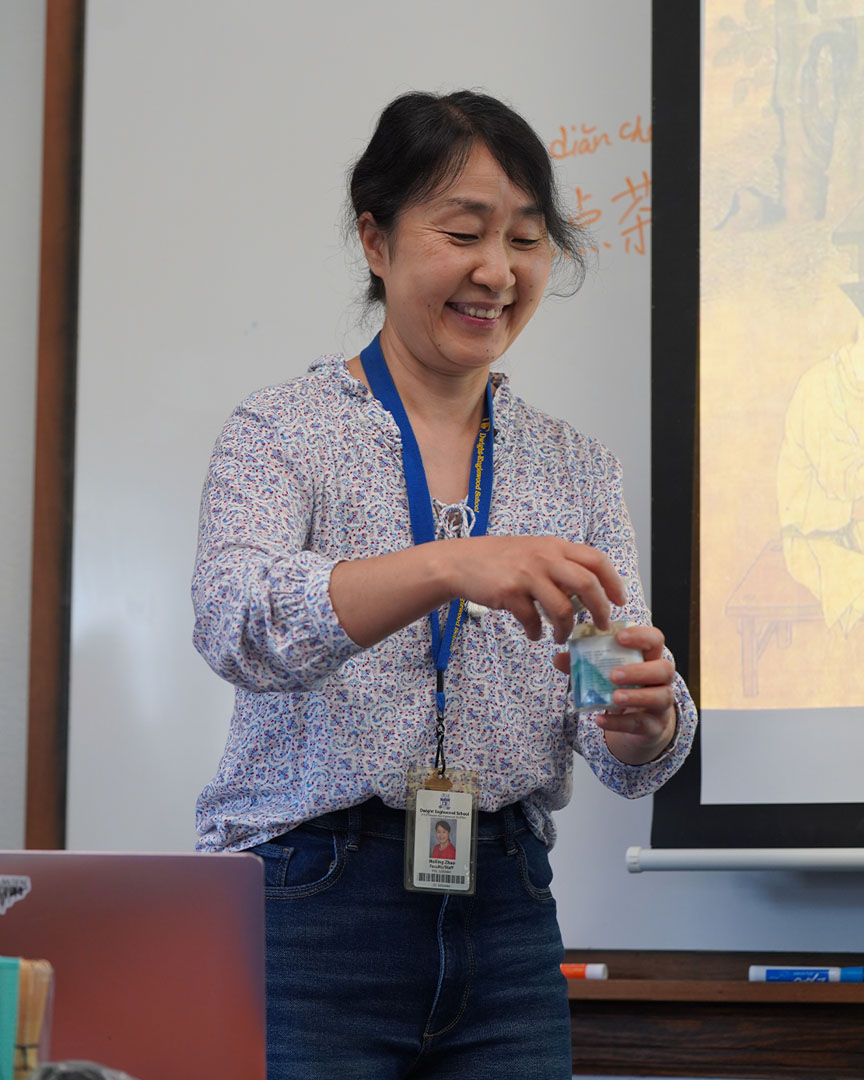
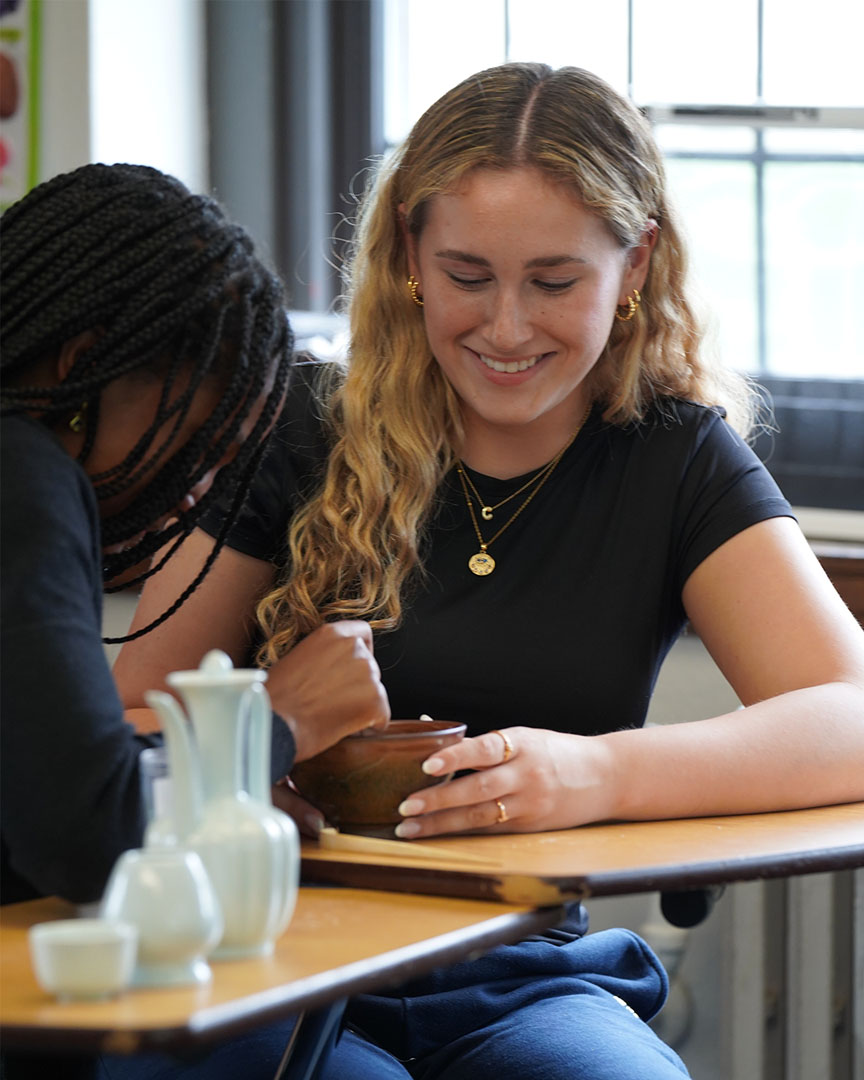
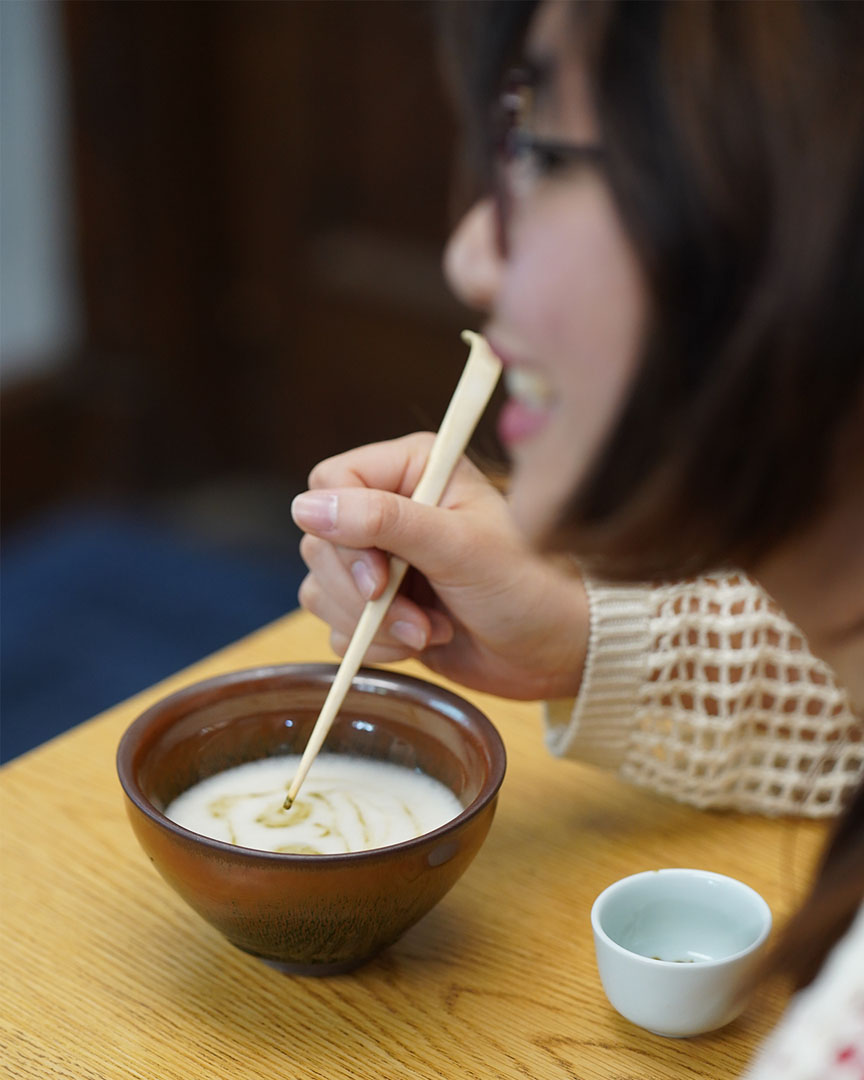
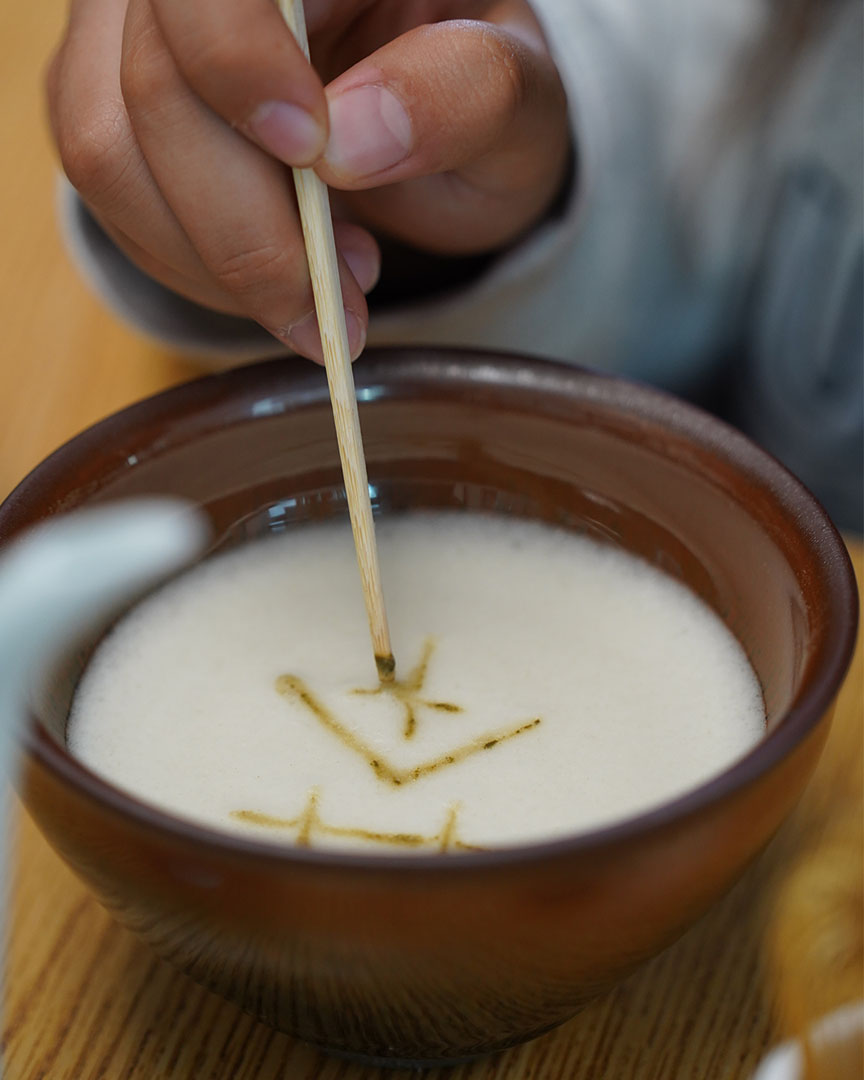
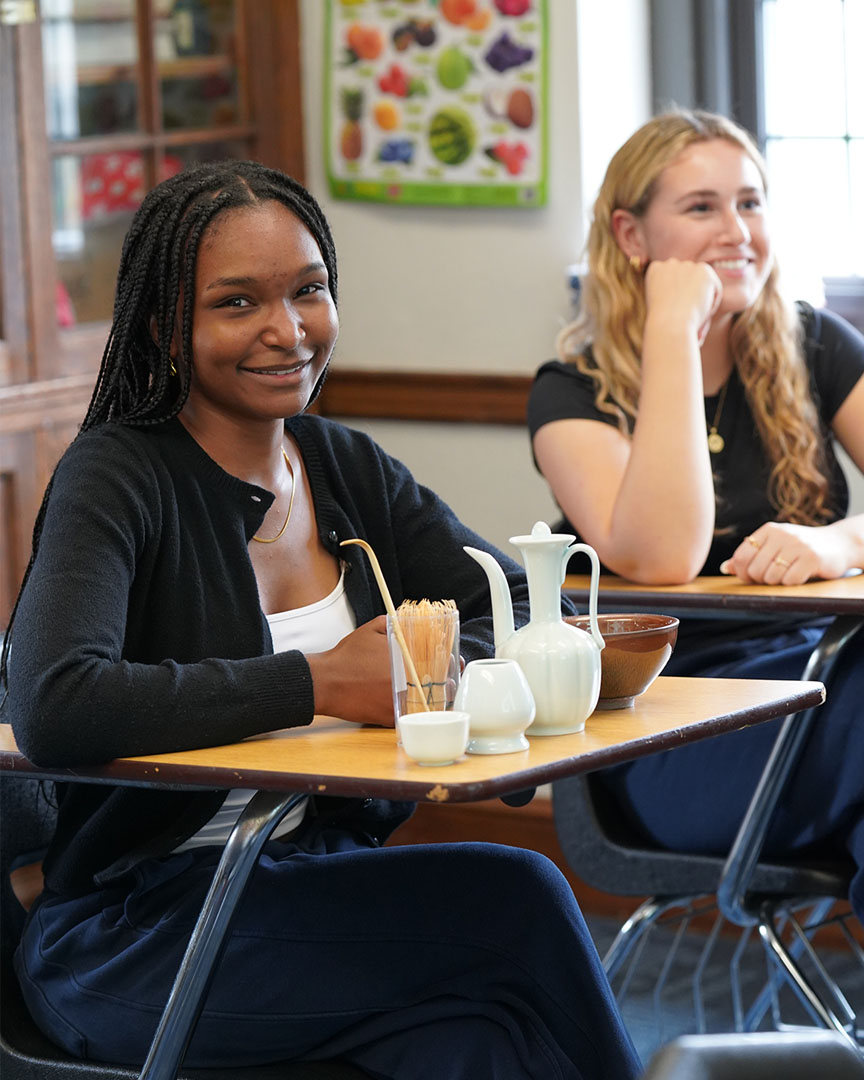
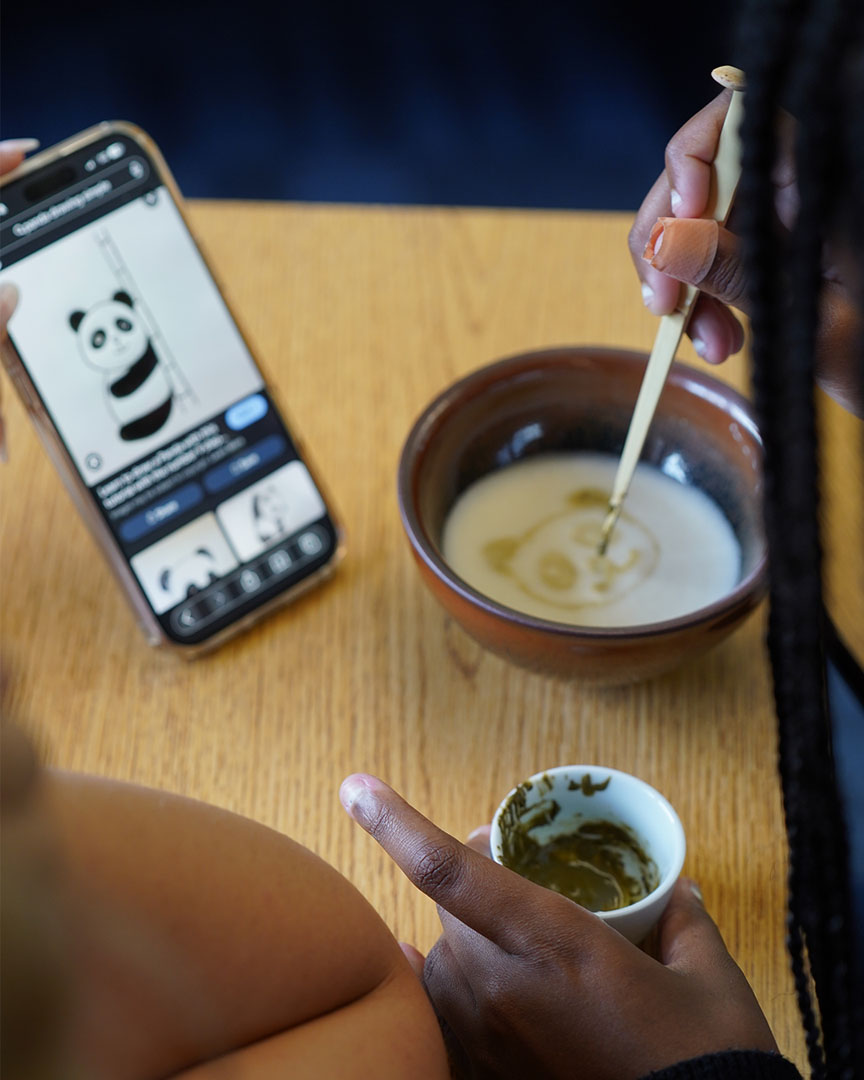
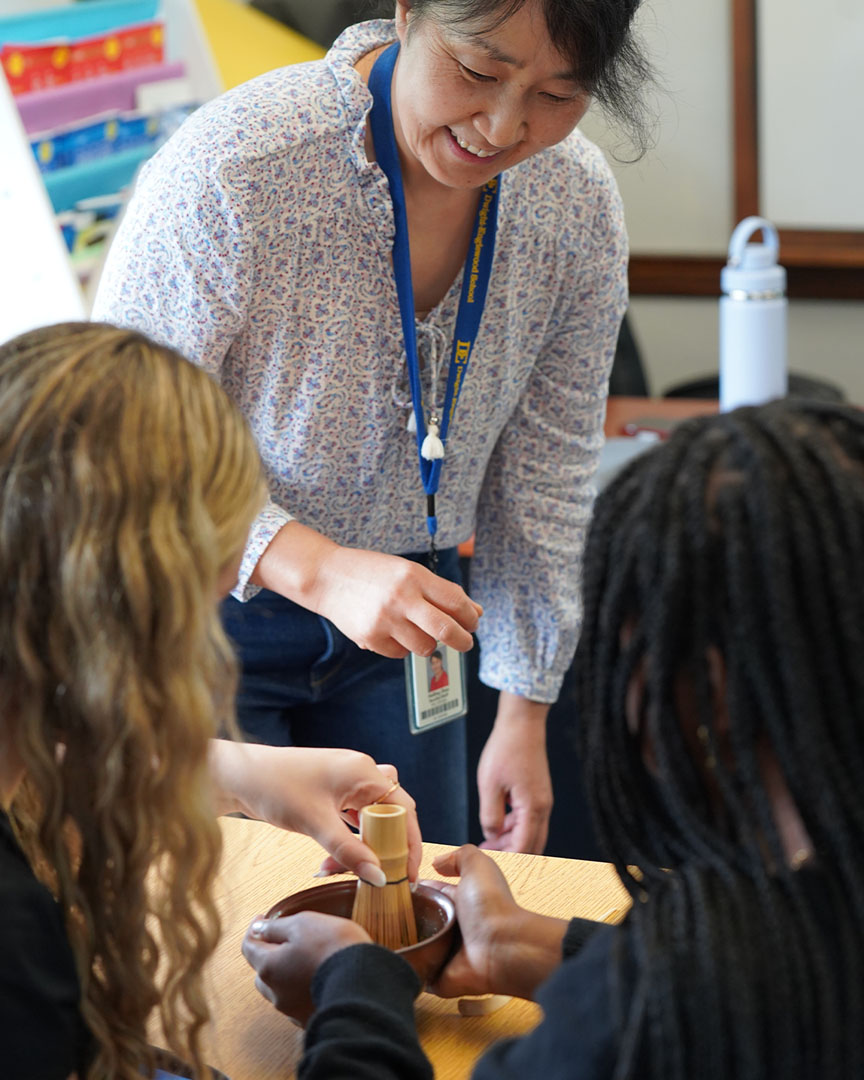
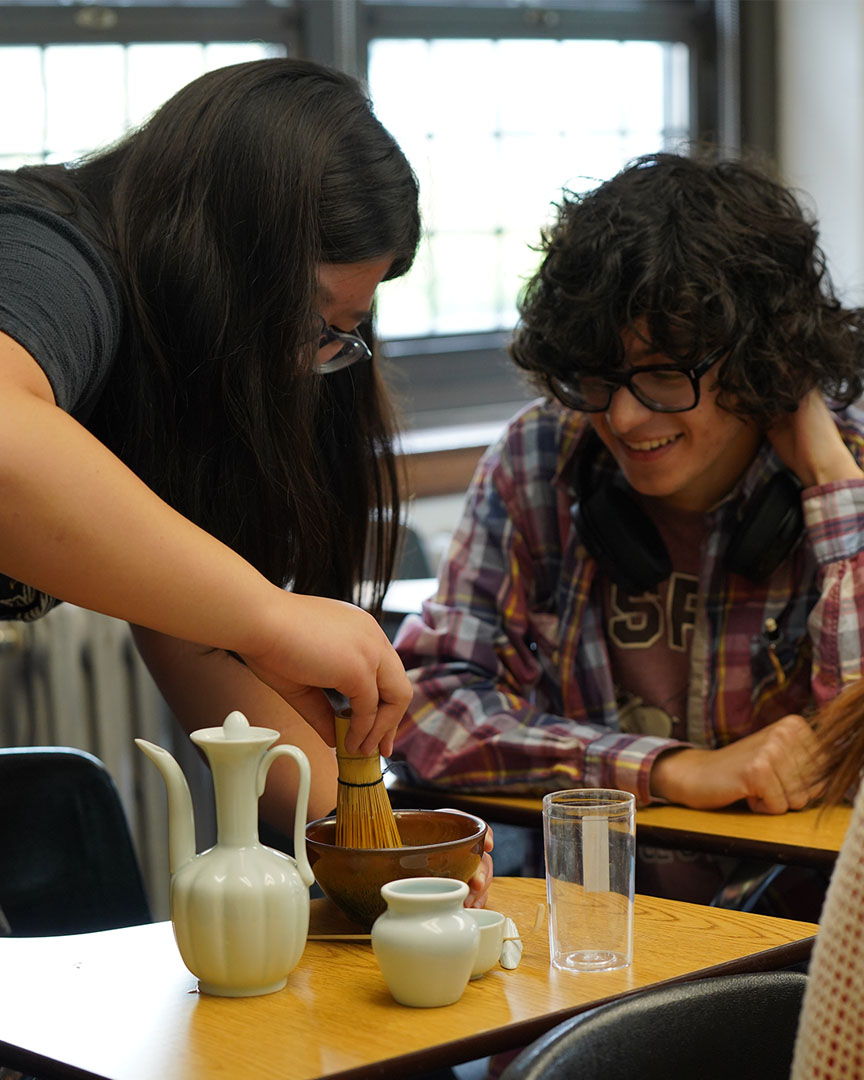
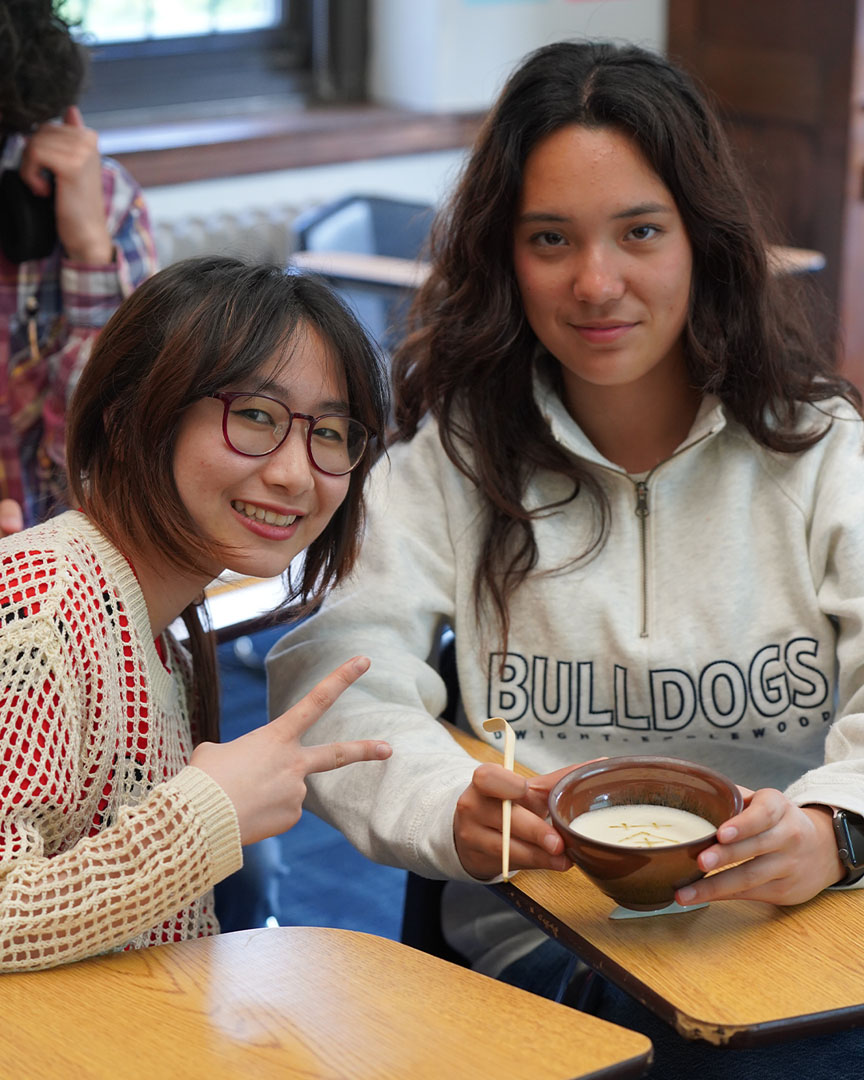
In addition, as part of a unit on China’s Song Dynasty, US Mandarin Teacher Ms. Hailing Zhao’s Mandarin 3 students received a lesson in the art of “diancha,” or tea whisking. The tea preparation was often showcased in tea competitions called “doucha,” during which participants would draw images on the froth—such as calligraphy, animals, mountains, bamboo, or flowers.
“The Chinese people [of this era] not only drank tea but made tea an art form,” said Ms. Zhao. Students then tried their hand at tea whisking and drawing with impressive results! Chinese-American students in the class commented on feeling more connected to their Chinese roots.
Inclusive Excellence
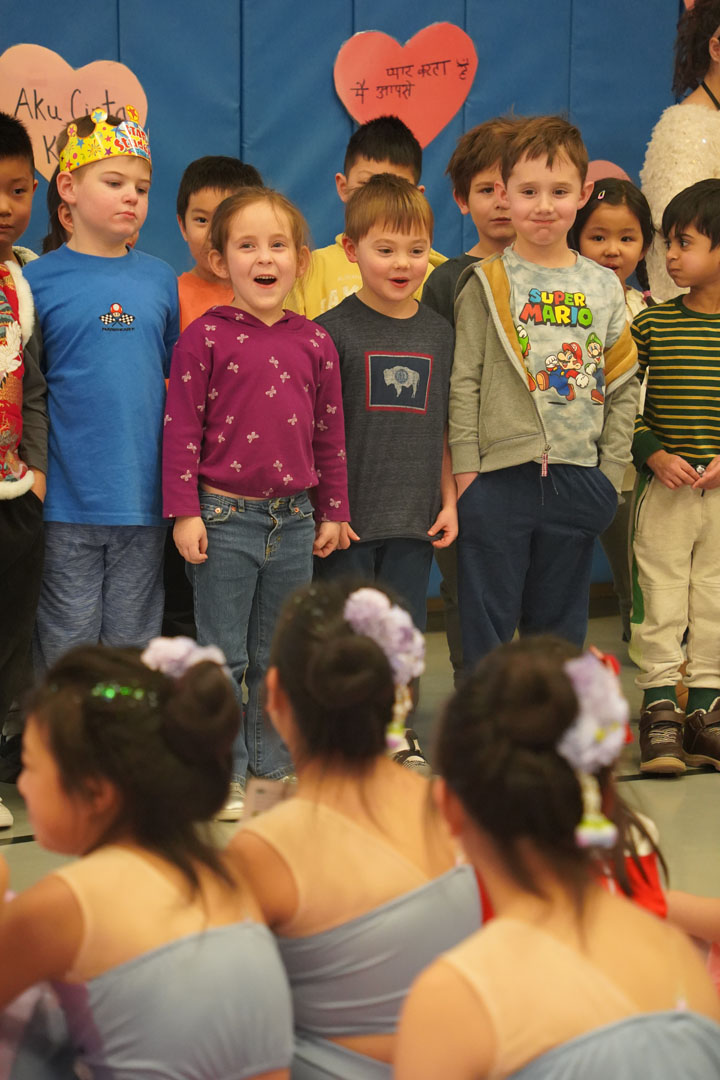
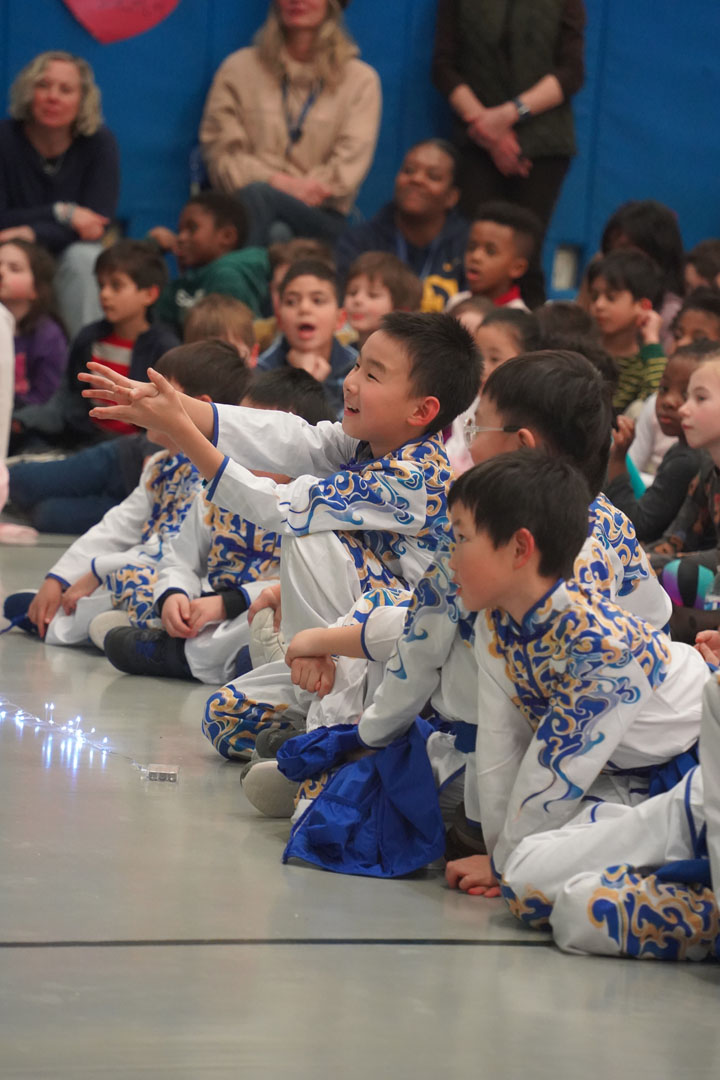
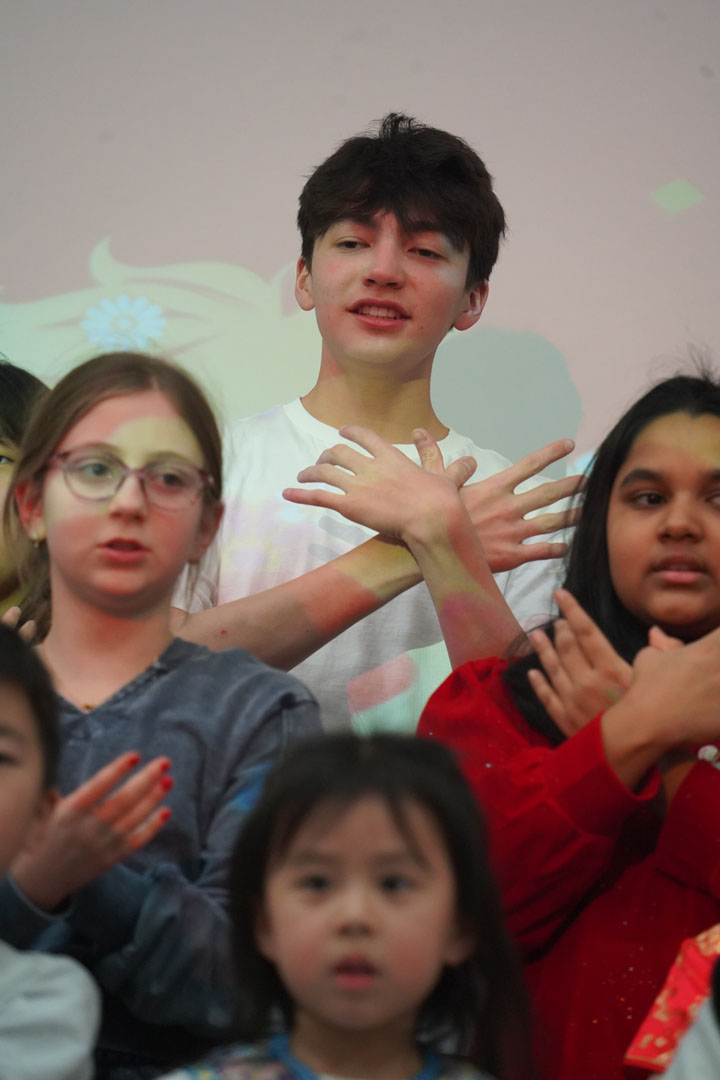
“Authenticity is about accepting who you are and embracing who you are and really being proud of your identity. I think that’s one of the things we do well in the D-E community,” remarked Mr. Hegedus. “And there’s a really nice dovetailing of the language program and the affinity groups on campus and what we do, whether that’s celebrating Hispanic heritage in September, whether that’s the Lunar New Year celebration, and the All-Division Chorus ensemble that we put together.”
"Authenticity is about accepting who you are and embracing who you are and really being proud of your identity."
Dra. Collado shared that “it is important that the foundation is culture so that the students understand the world outside of our community.”
Furthermore, MS Latin Teacher Mr. Charles Burke, piloted a learning stations lesson in which students can learn at their own pace. “This is part of our department’s DEIB goal to better reach neurodivergent learners,” said Mr. Hegedus.
They are working in partnership with the Learning Center on campus to achieve this objective. “We have embraced a framework called UDL, the Universal Design for Learning, and we’re trying to see how we can implement those best practices in our classrooms,” said Mr. Hegedus.
Mr. Burke reasoned: “We’re so used to our own culture and our own cultural assumptions and biases that we don’t even see them. And in studying a foreign culture, you are kind of starting to understand your own culture, too.”
“I always say that my favorite part of teaching is paradigm shifts,” said Mr. Burke, “and one is: what is a dead language? Because people assume a dead language means it’s useless, but that’s not what it means. It means it’s not spoken by anyone, and therefore it’s not changing.”
"You are experts in this language"
“And then I explain to them how English is changing, how they’re changing English,” he added. “I have them say, ‘Don’t you’ real fast, and inevitably someone says, ‘Don’tchu.’ And I tell them, ‘Hey, you are native English speakers. You are experts in this language. The fact that you’re getting this wrong means the rule’s stupid and it’s going to die.’”