
Now that the 2025-2026 school year is in the rearview, it’s a fitting time to reflect on lessons learned and how they can impact the future—and to spotlight D-E’s distinguished History Department. “Students really try to think about historical questions as things that relate to people surviving and doing their best… as a way to compare and share experience with people in the past, even if they don’t share identities or time period,” said History Department Chair Alexander Russell-Walker, who is in his 13th year at D-E. These lessons, he added, encourage empathic thinking through historical study.
Watch our latest Spotlight video and read on to learn more about how our History Department aims to give students the tools they need to make connections between what they read in textbooks and modern life.
Alignment Across Divisions
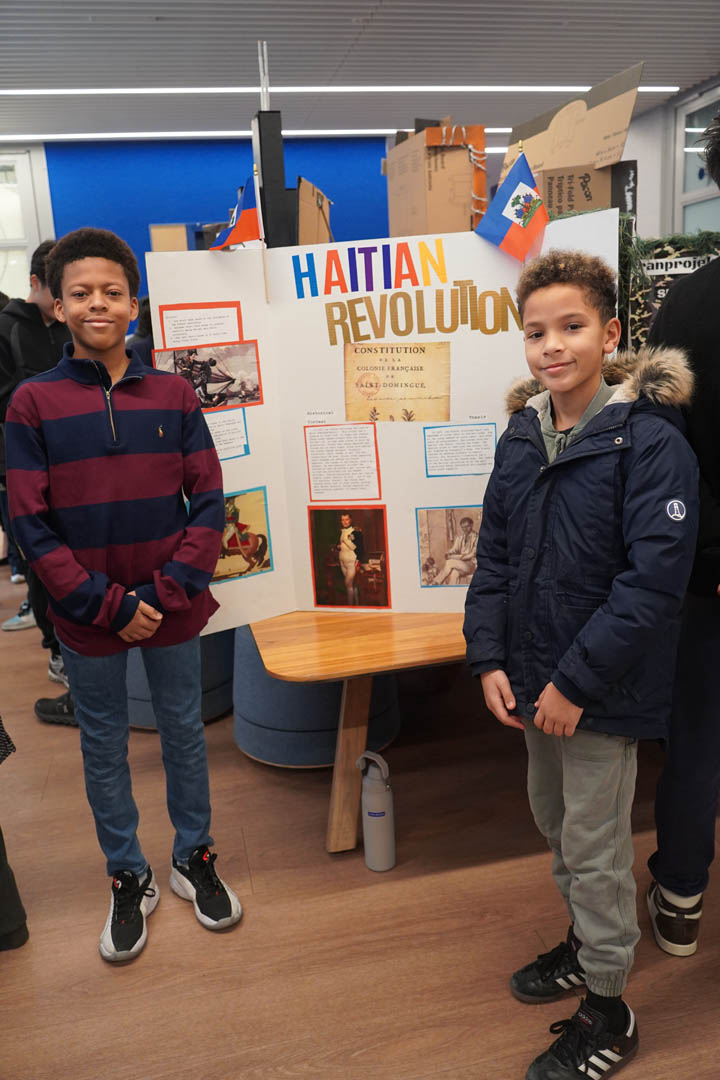
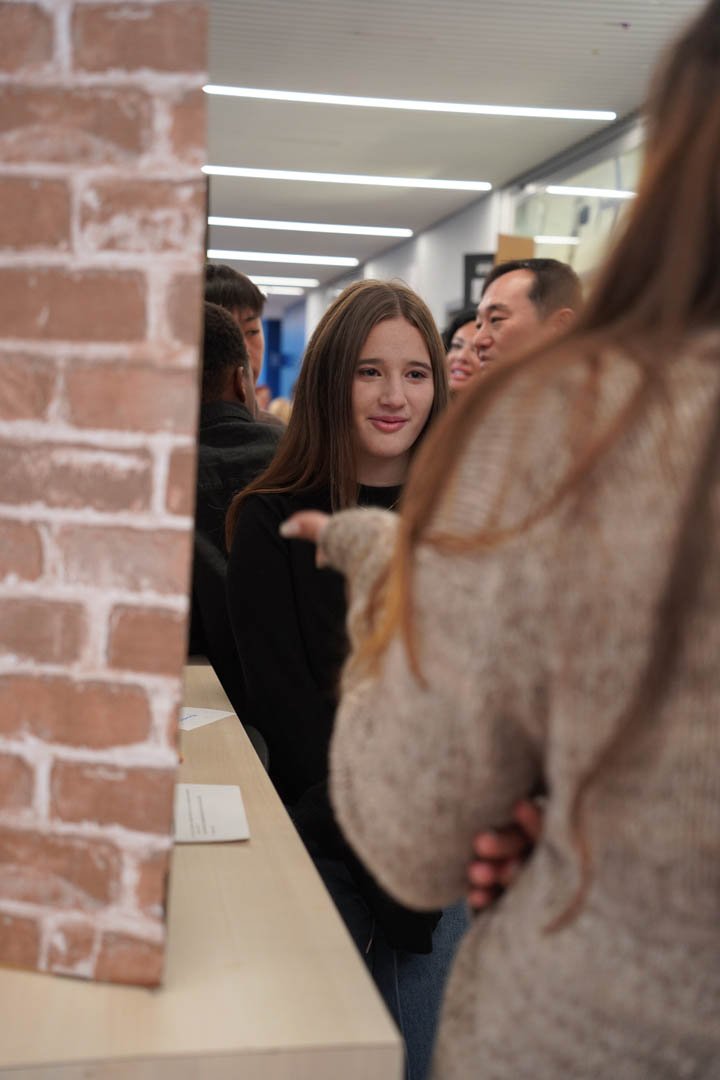
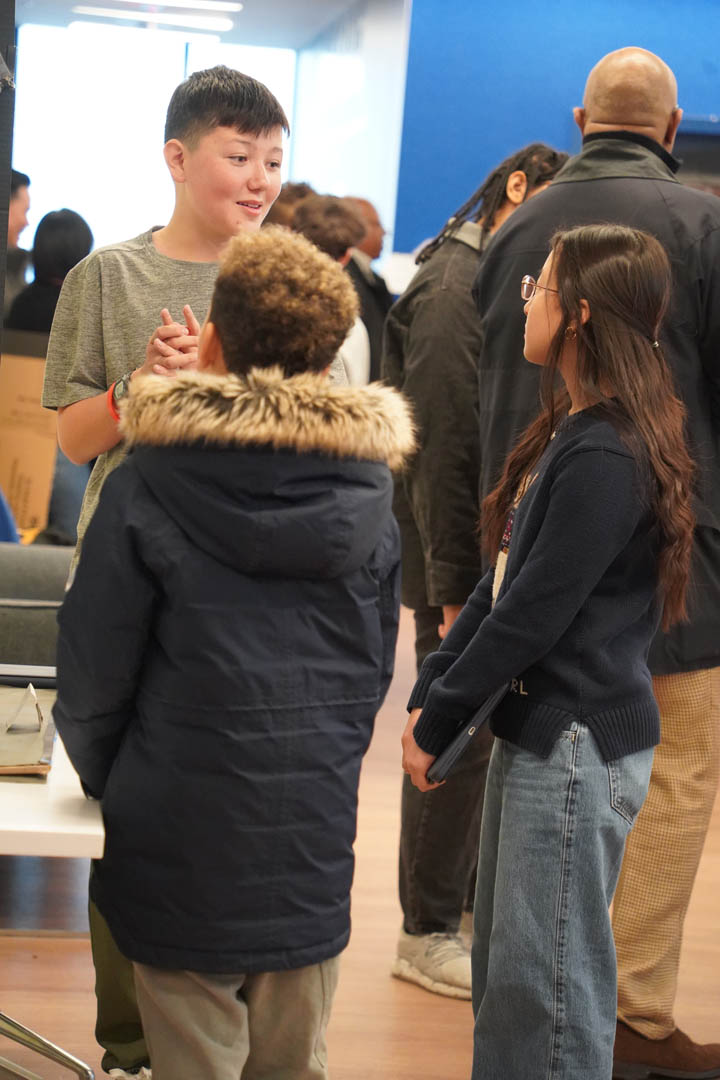
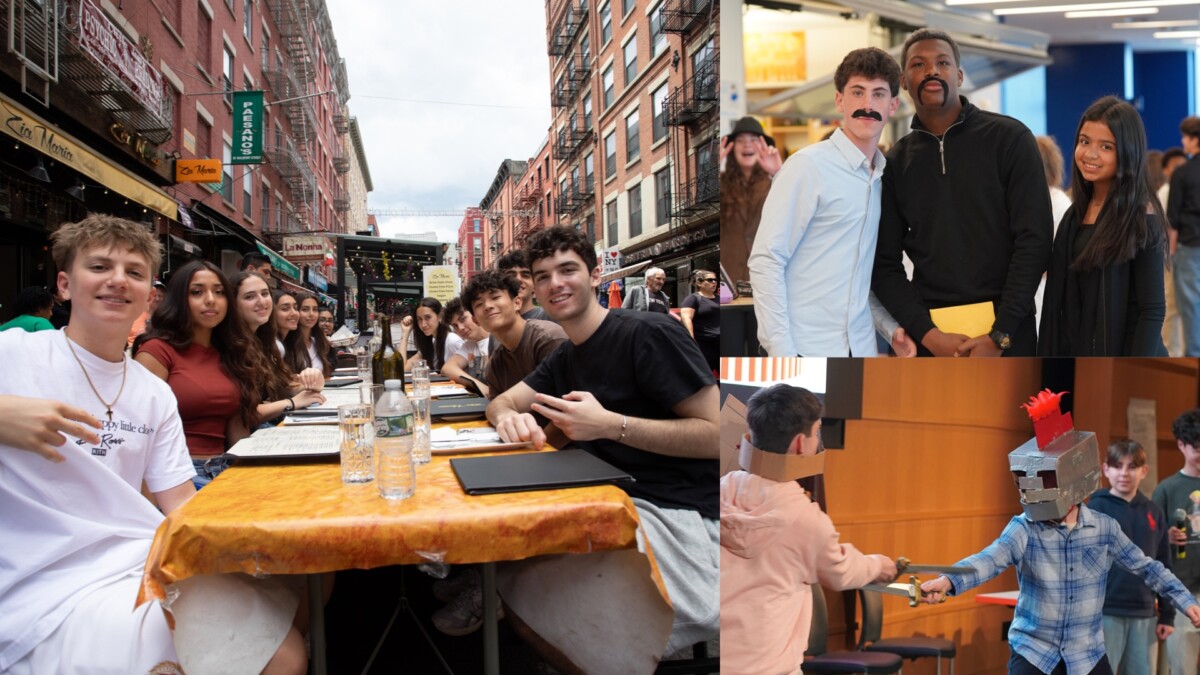
From the 4th Grade Government Unit in the Lower School (LS) that includes field trips to the State House and United Nations, and History presentations that tie in to students’ interests and identities in the Middle School (MS) to a chance to literally walk the paths of historical figures in the Upper School (US), the History Department offers students many opportunities for experiential learning.
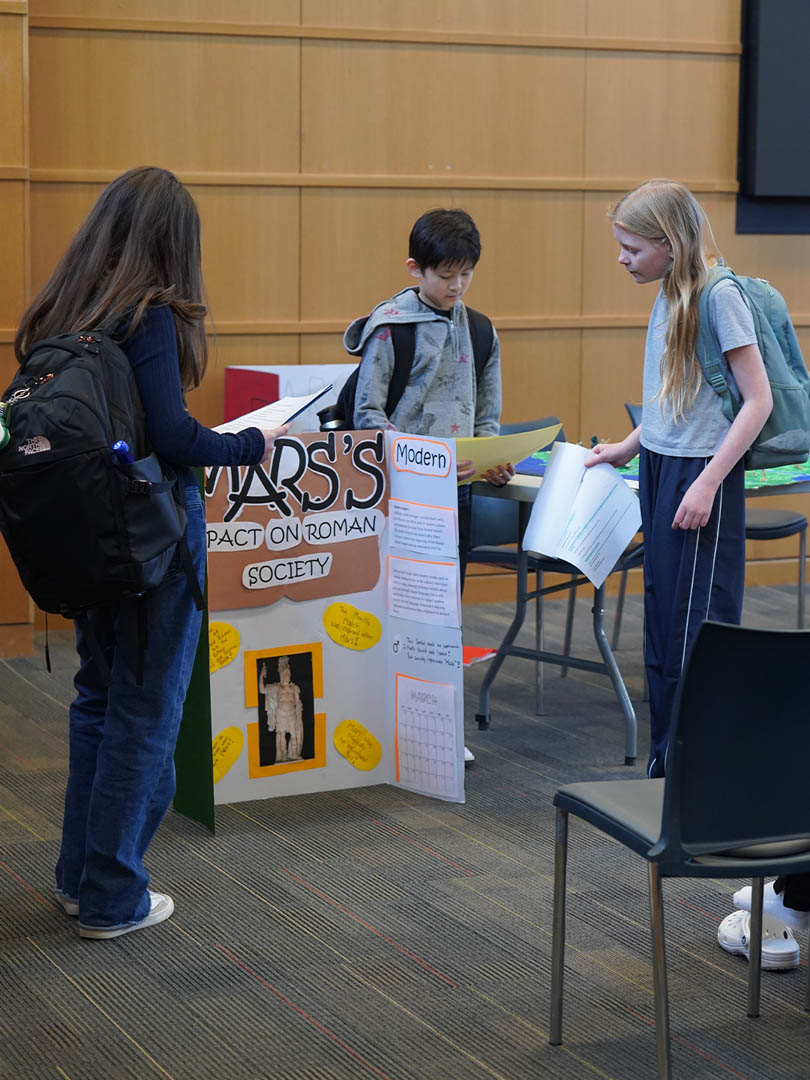
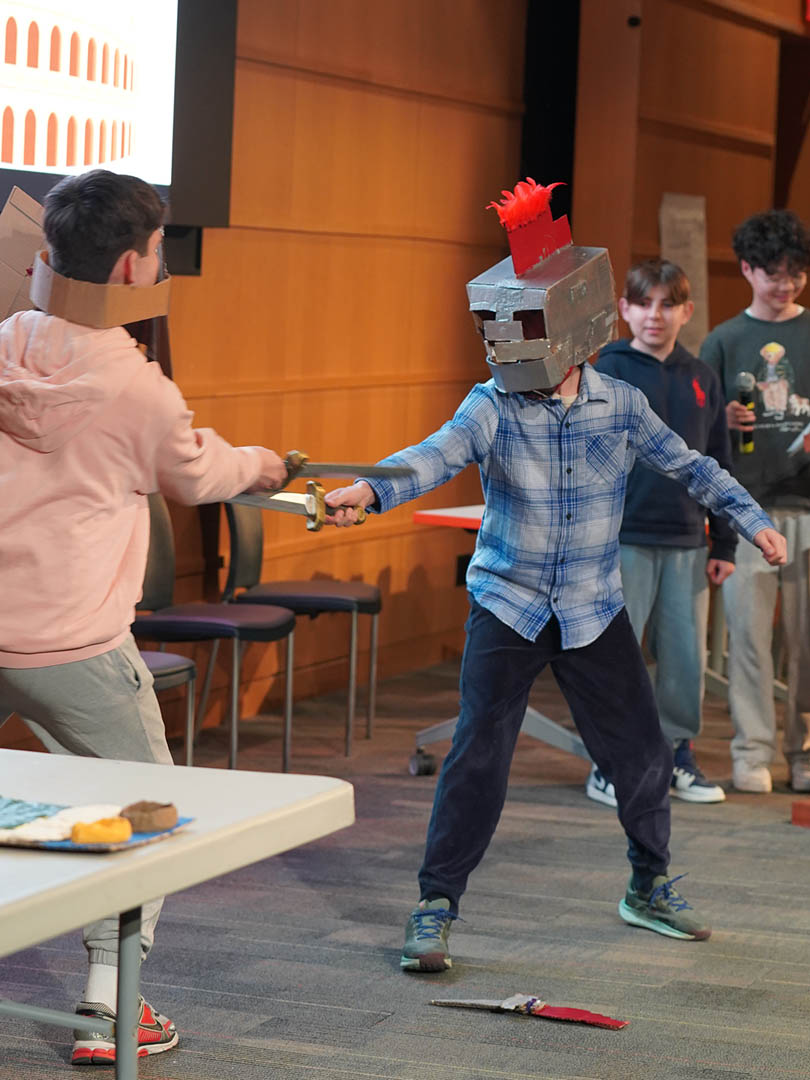
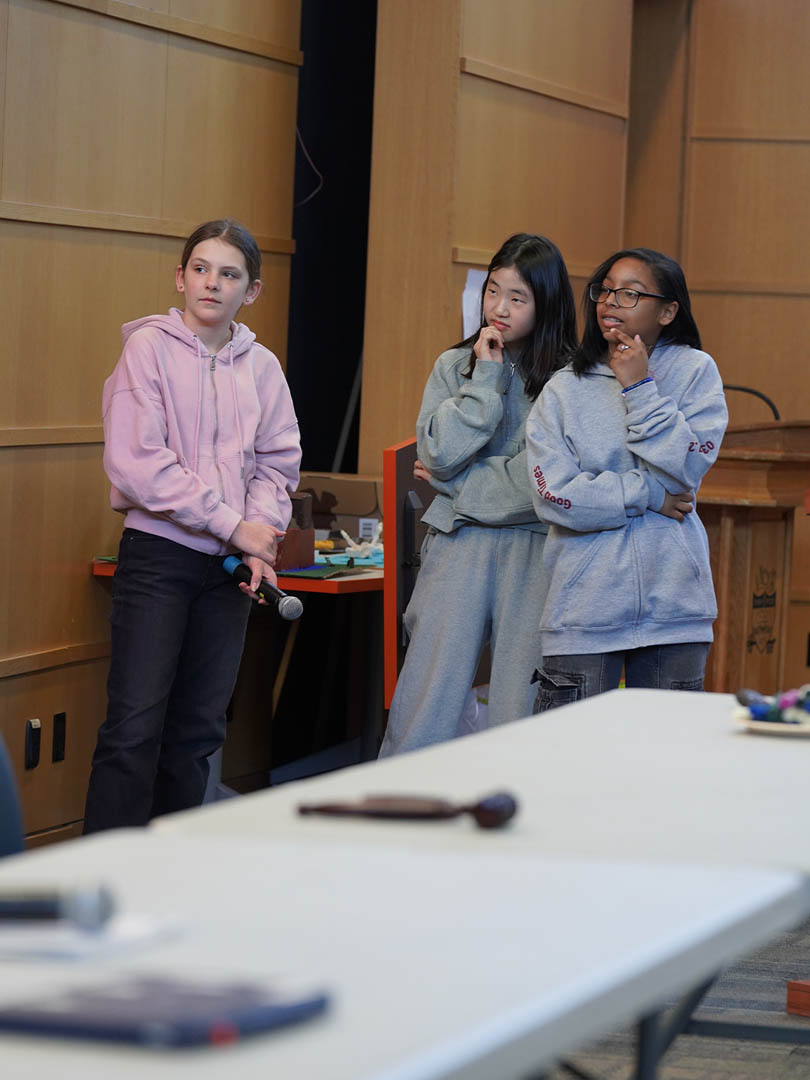
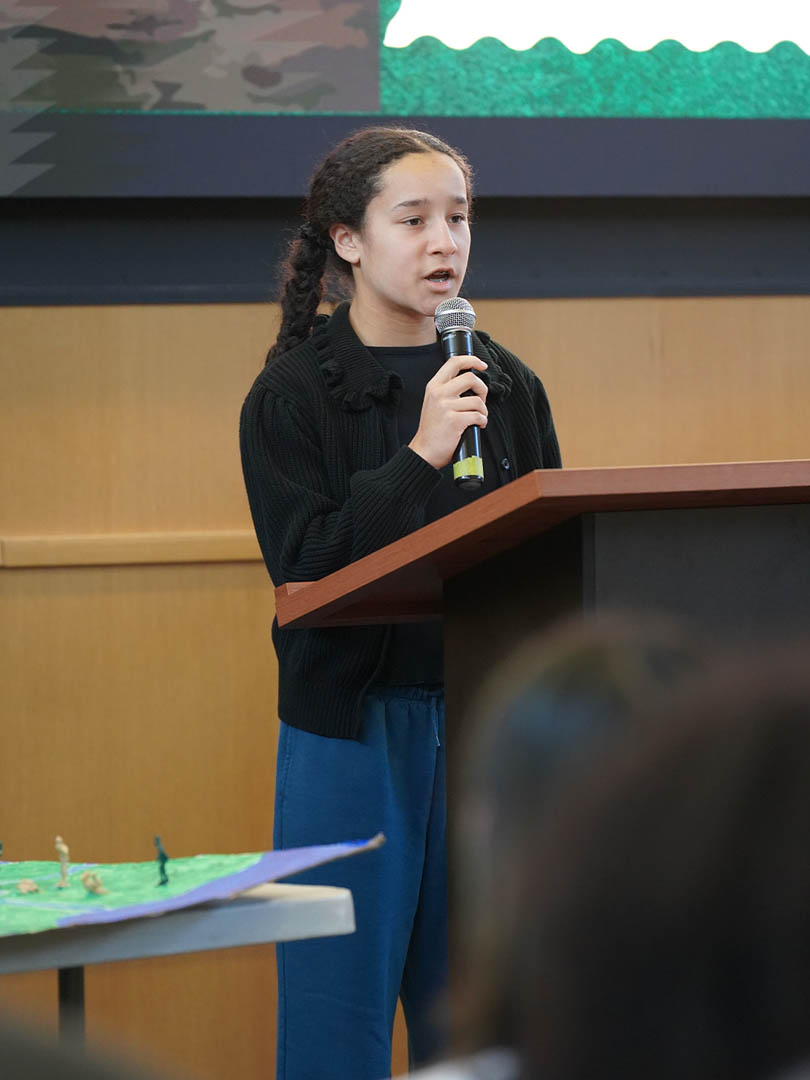
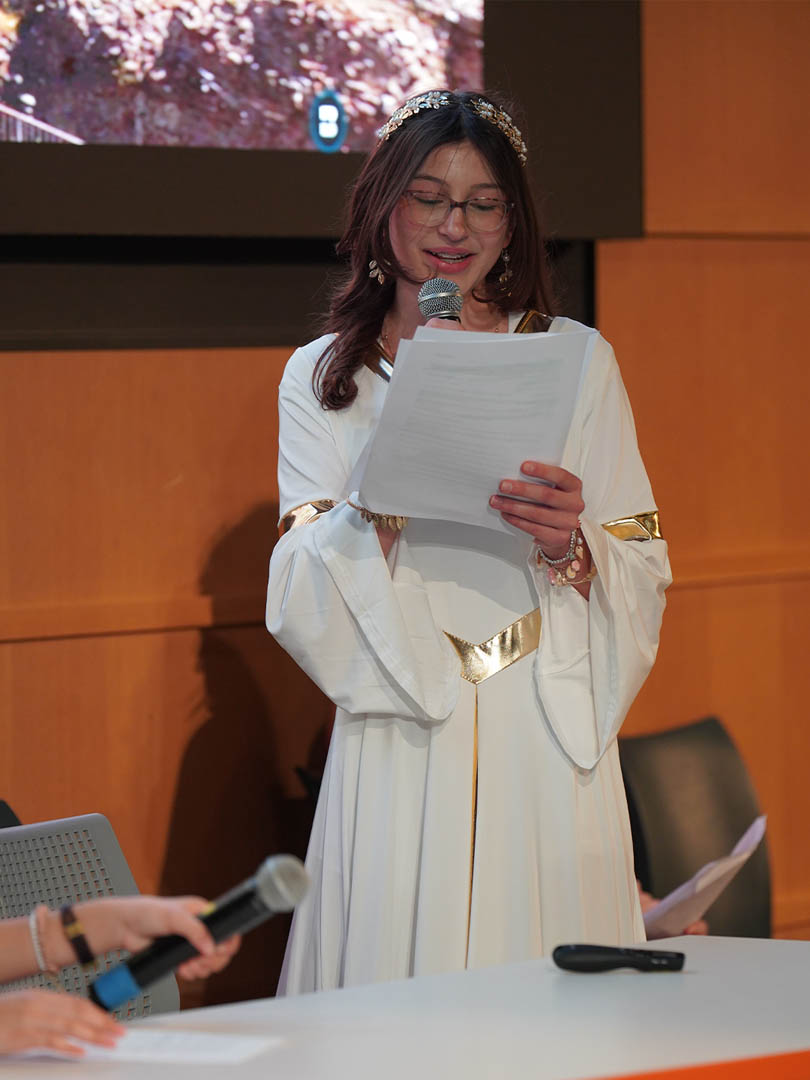
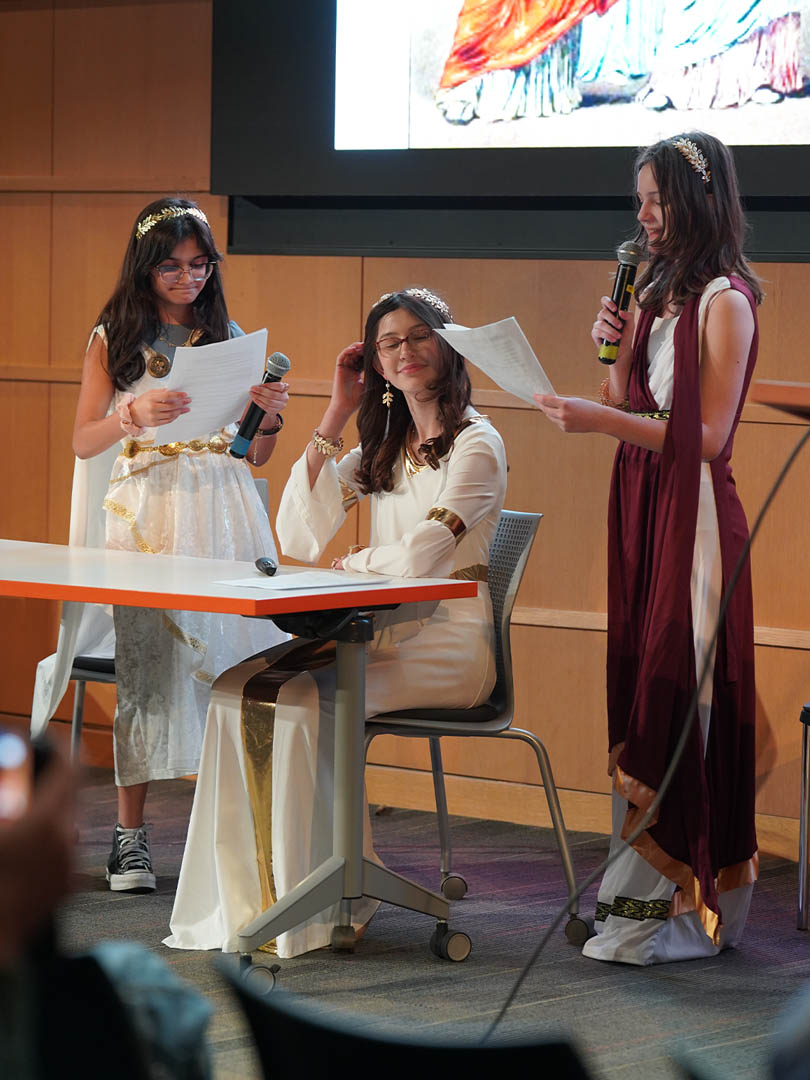
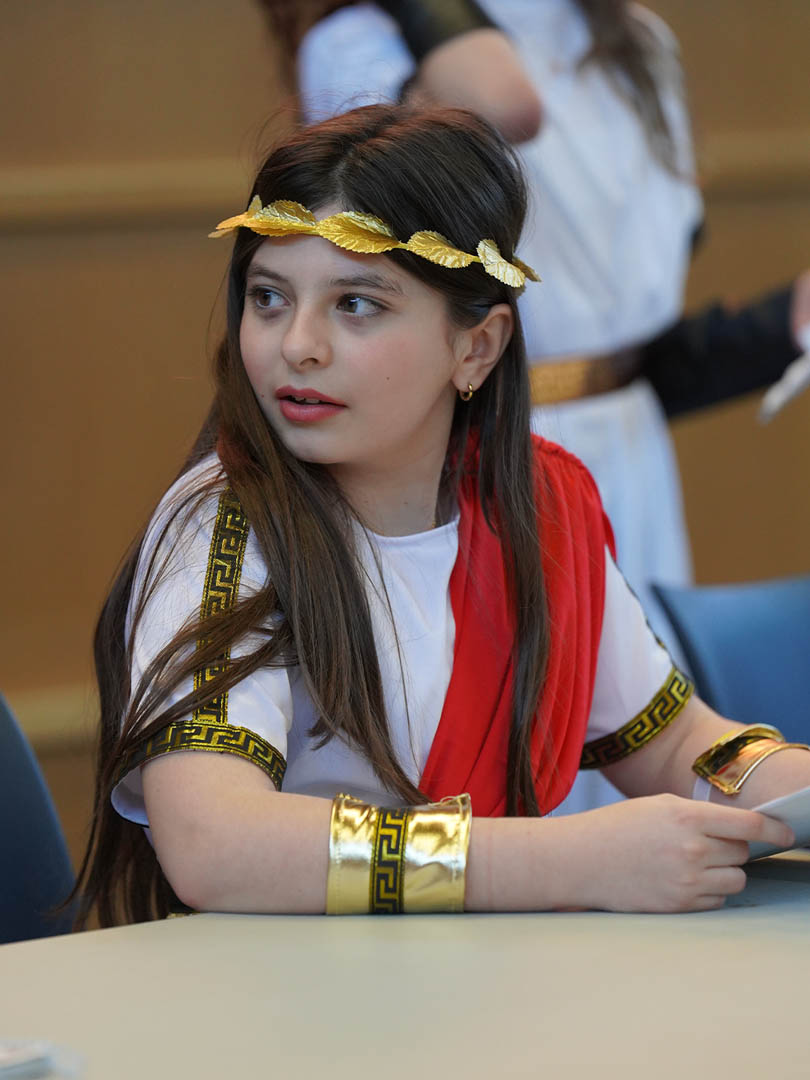
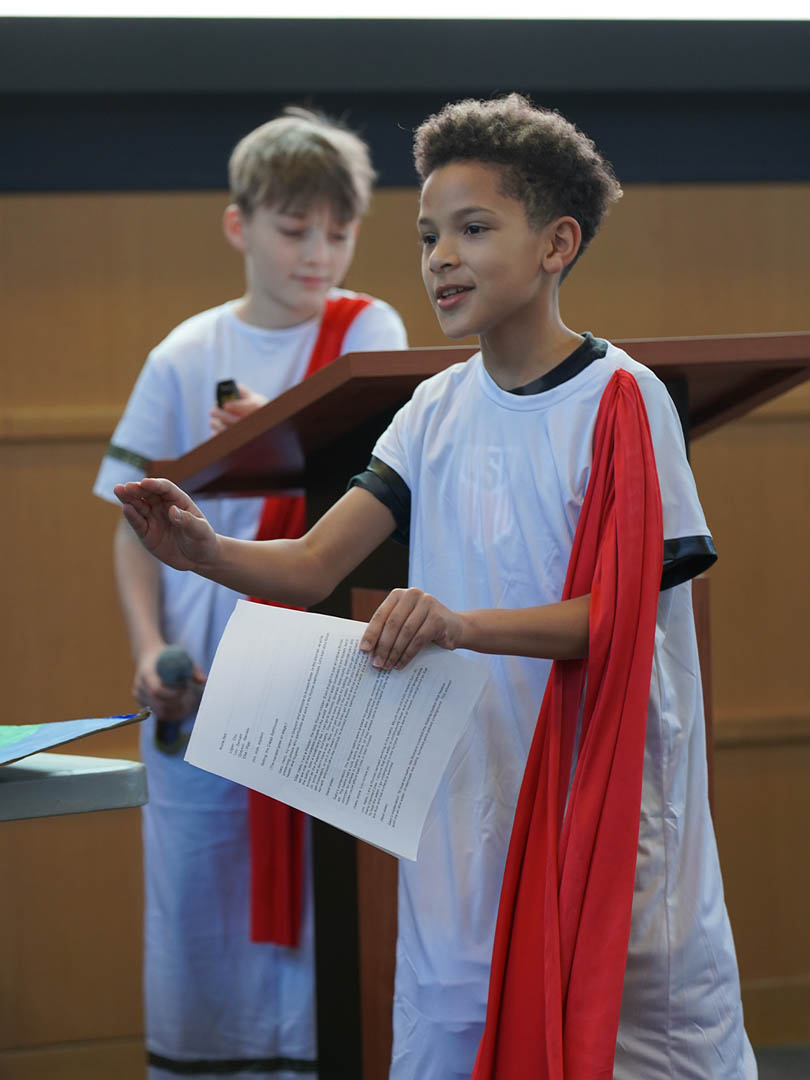
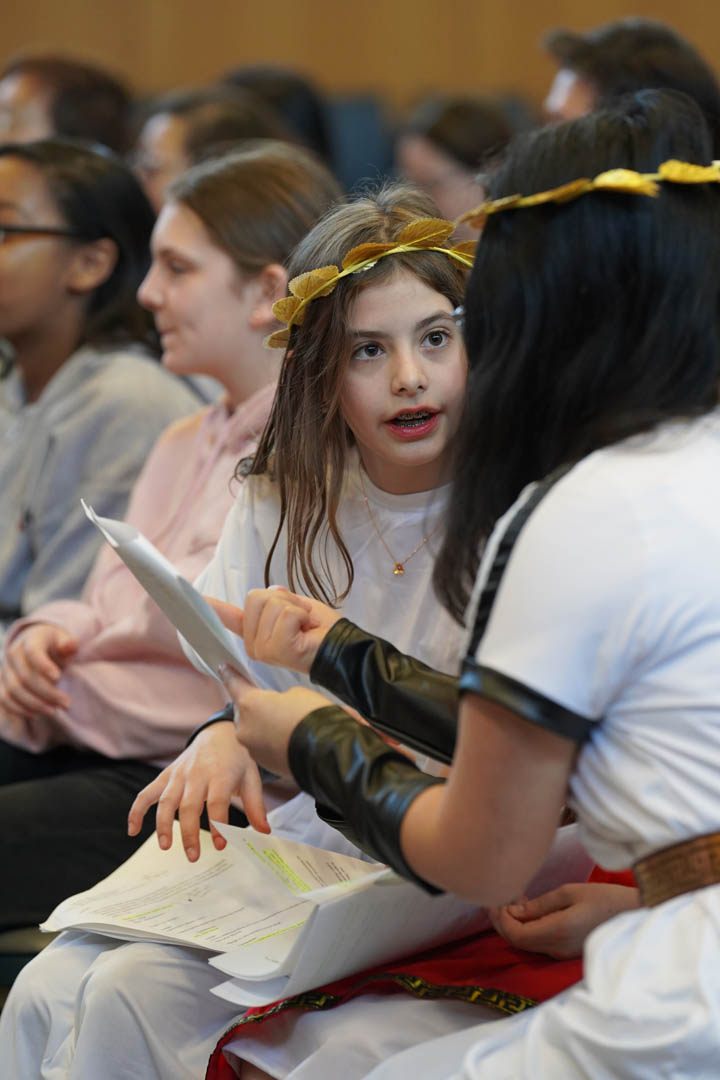
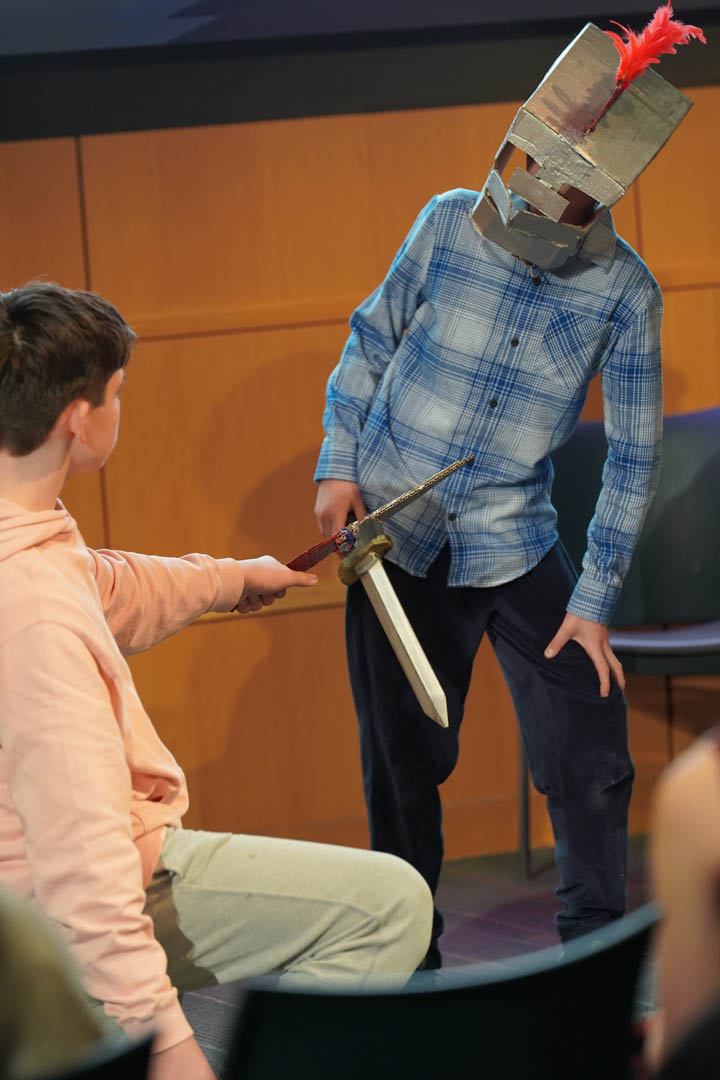
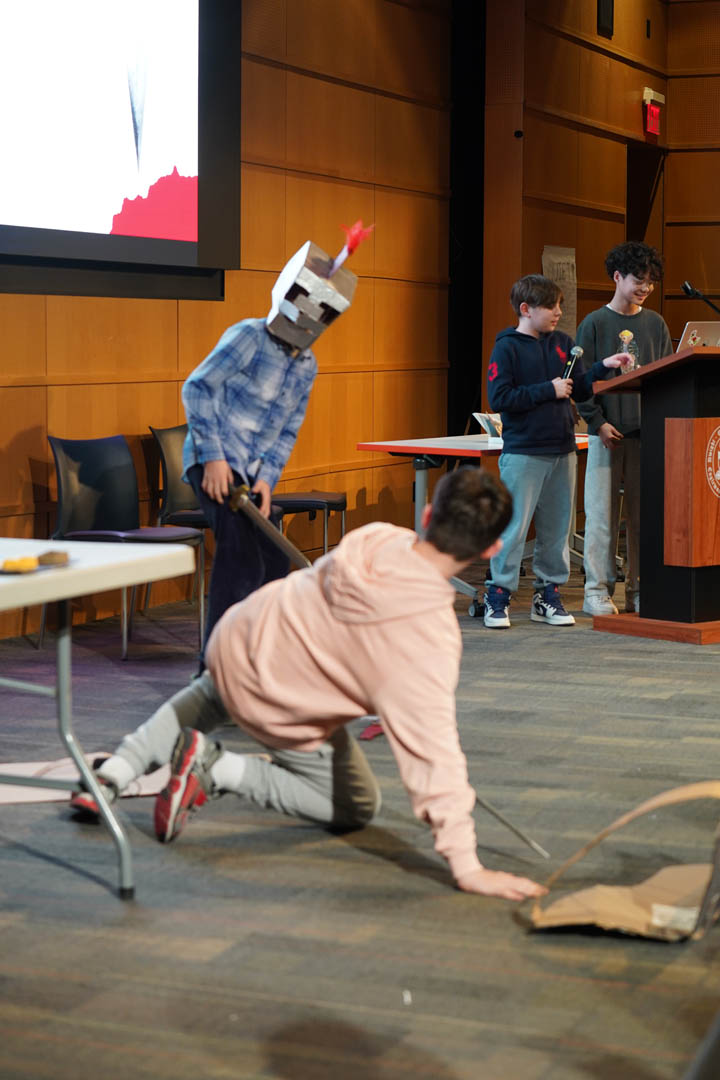
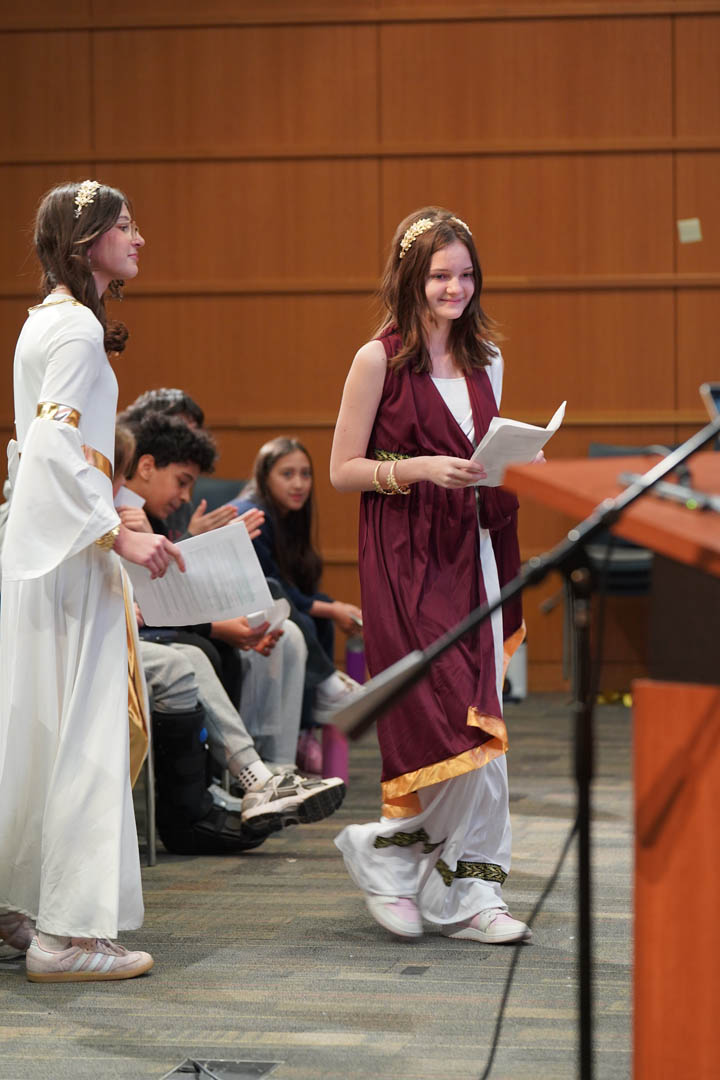
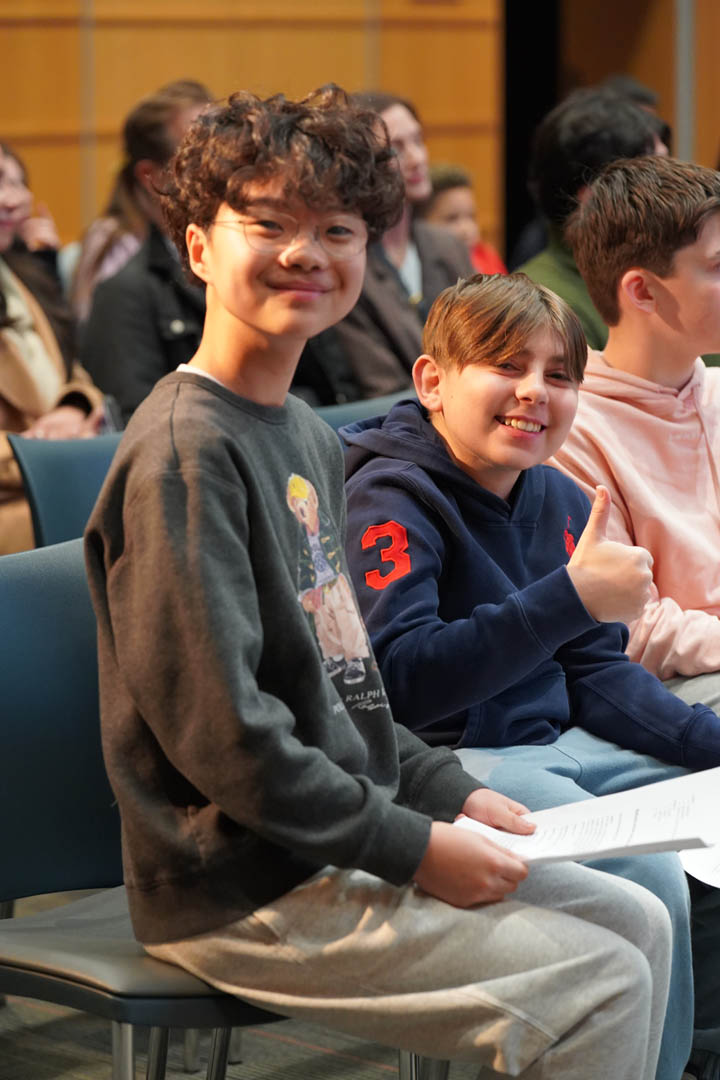
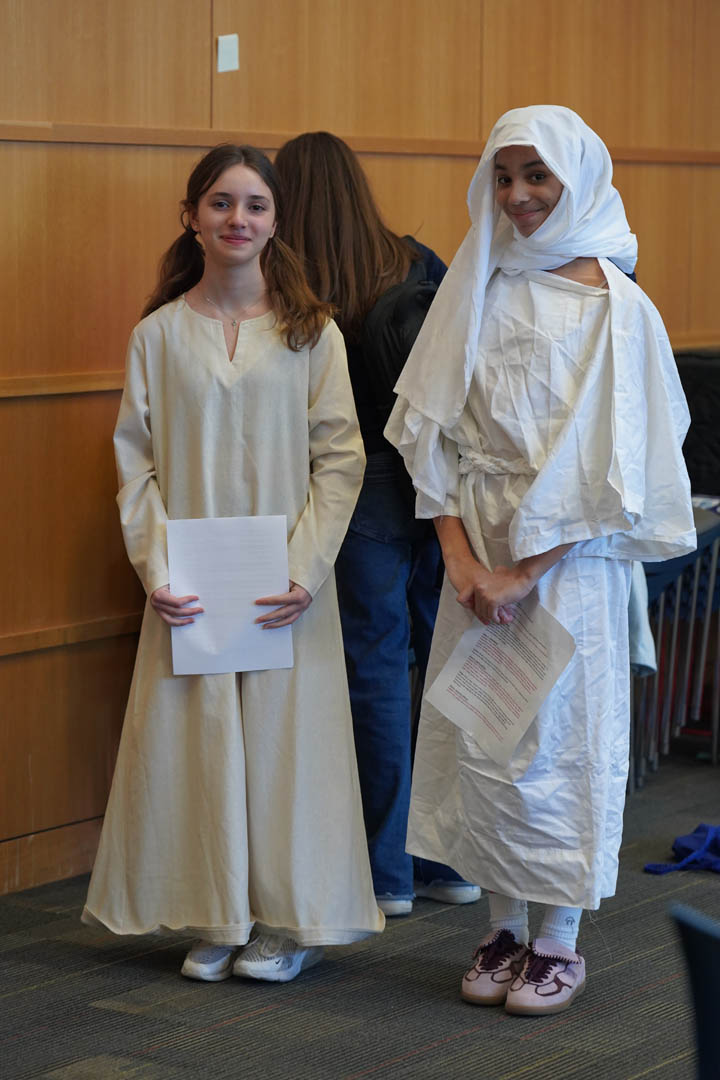
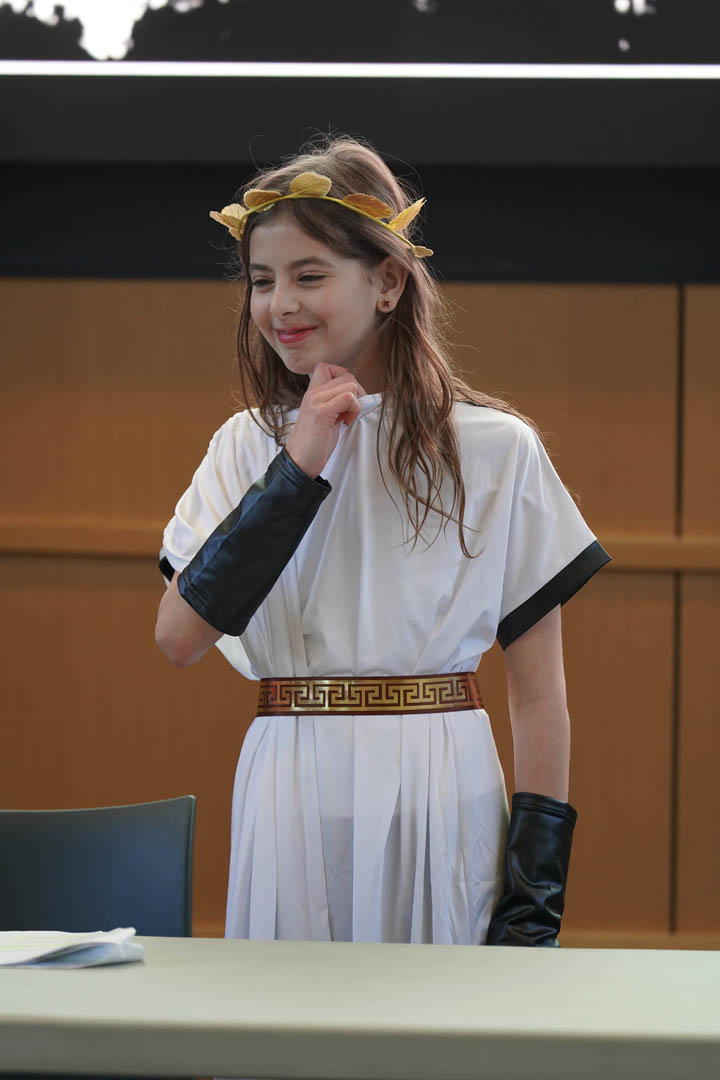
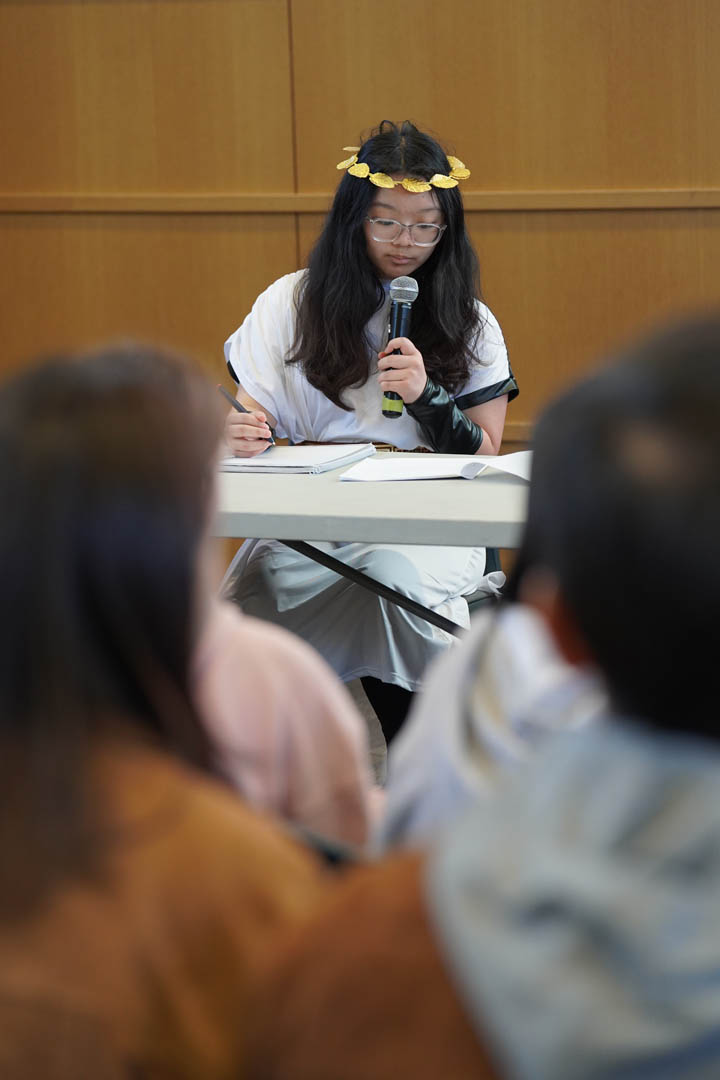
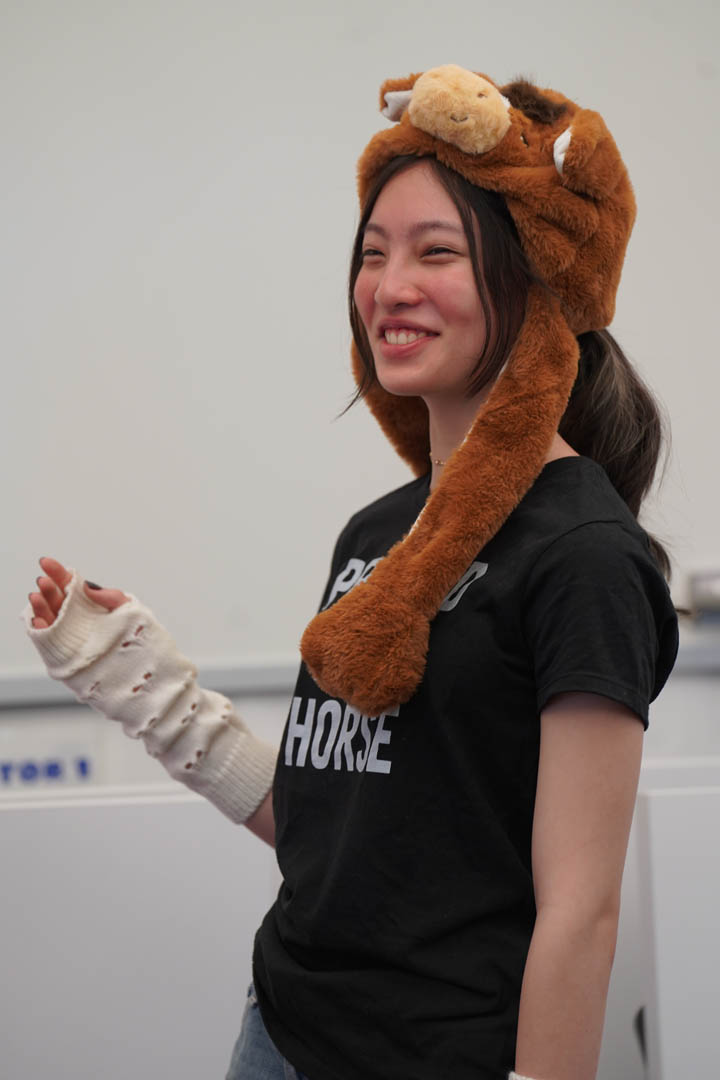
For example, Mr. Sam Wallman’s 6th Grade History classes participated in a Rome Cultural Research Showcase, attended by D-E families. The event, called “Rome Day,” was the culmination of intense Rome-related research and took the form of spoken presentations, live skits, mock trials, videos, models, dioramas, and trifolds.
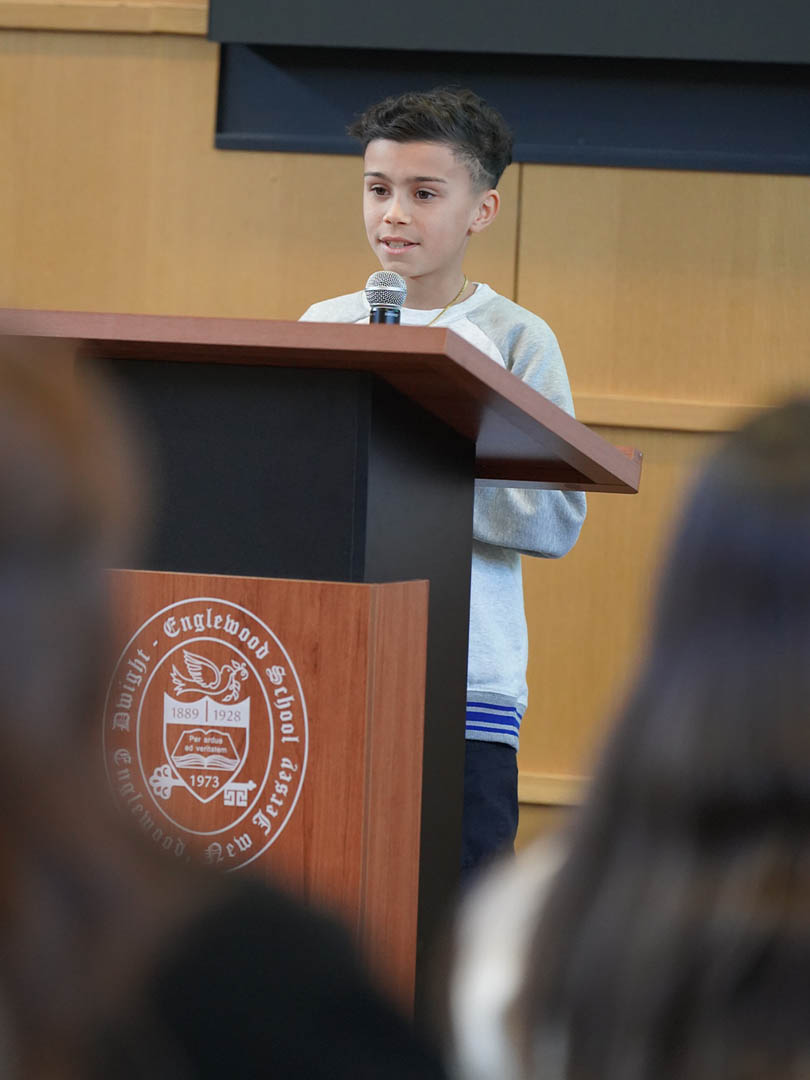
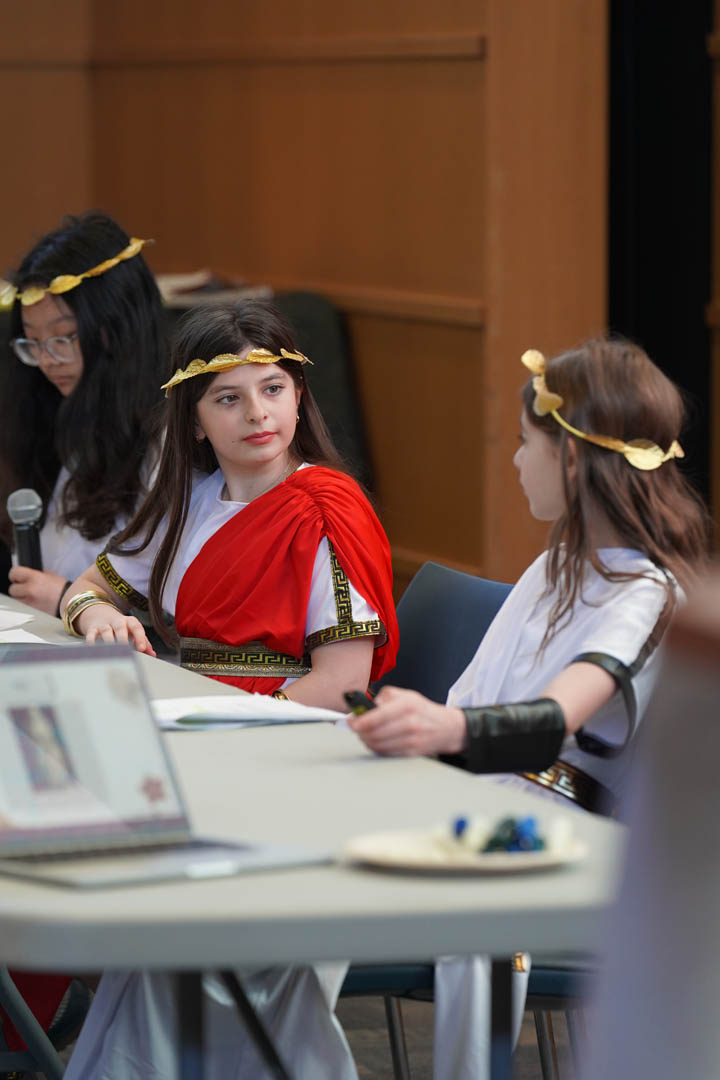
The goal was “creative demonstration of knowledge, collaboration skills, literacy, research skills… and most notably a comfort in oral presentation,” said Mr. Wallman. Students also exhibited attention to detail, such as the group that created handmade beaded jewelry, with the help of MS & US Librarian Ms. Kat Sanford, as a nod to Minerva, known as the Roman goddess of wisdom, crafts, and the arts.
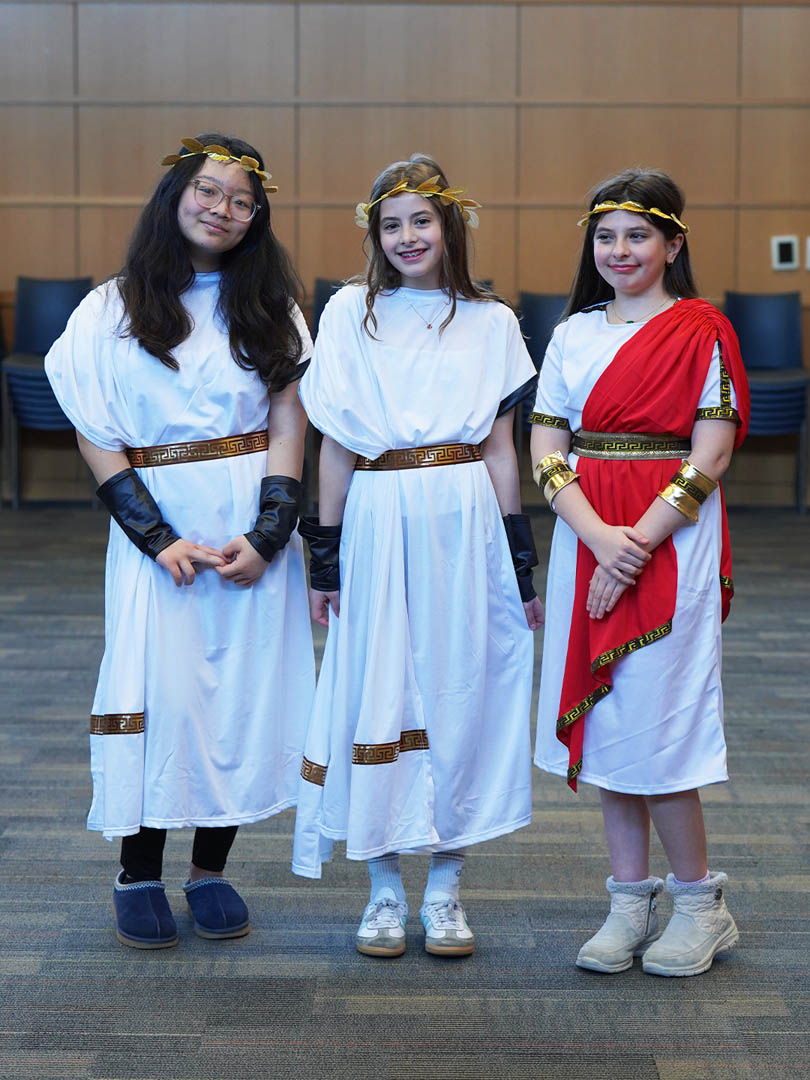
Several groups dressed the part of ancient Romans in tunicas, togas, stolas, and pallas as they presented on topics including traditional attire, ancient health practices, the evolution of Roman law, the Gallic and Punic wars, the history of the Colosseum, and the reign of Roman Emperor Nero.
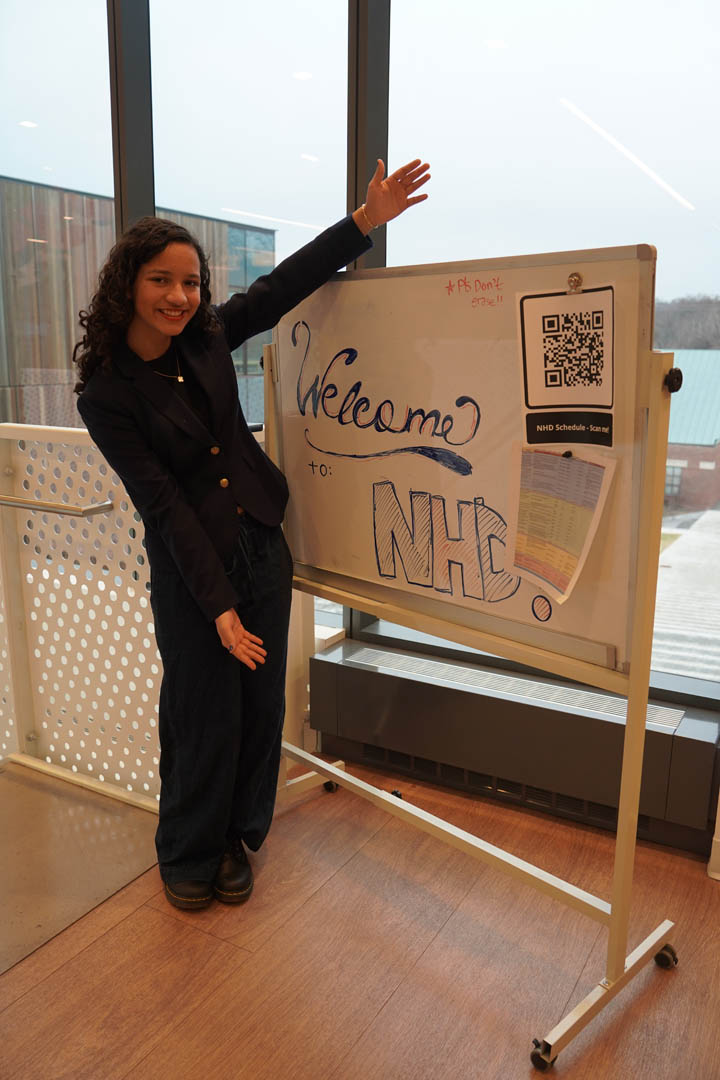
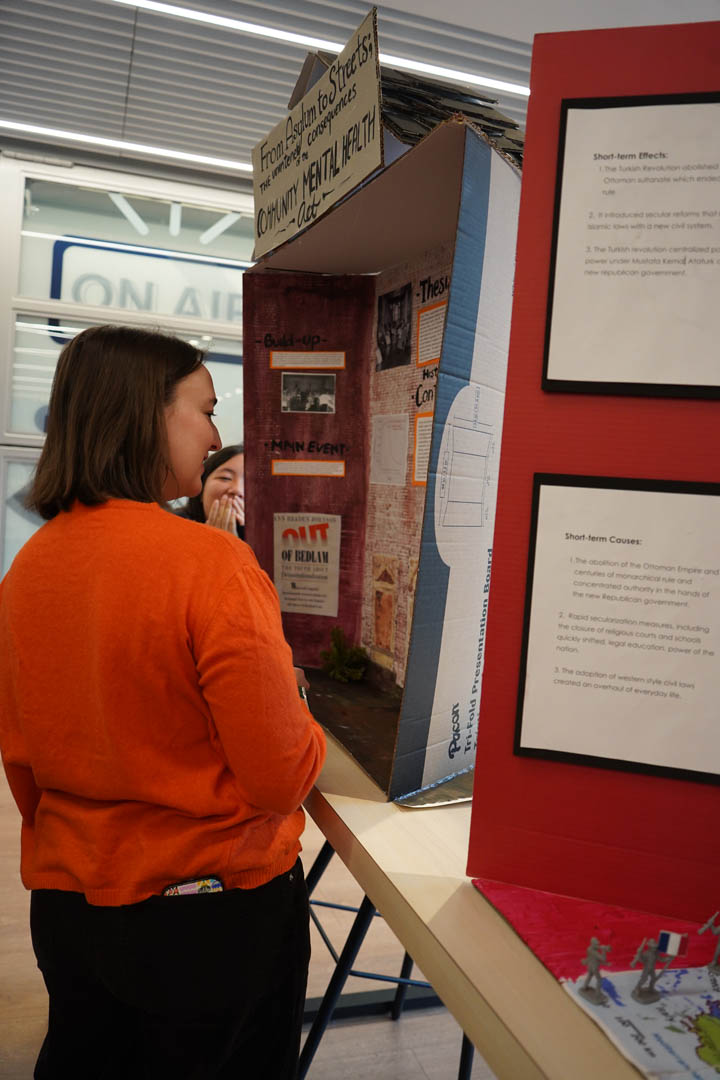
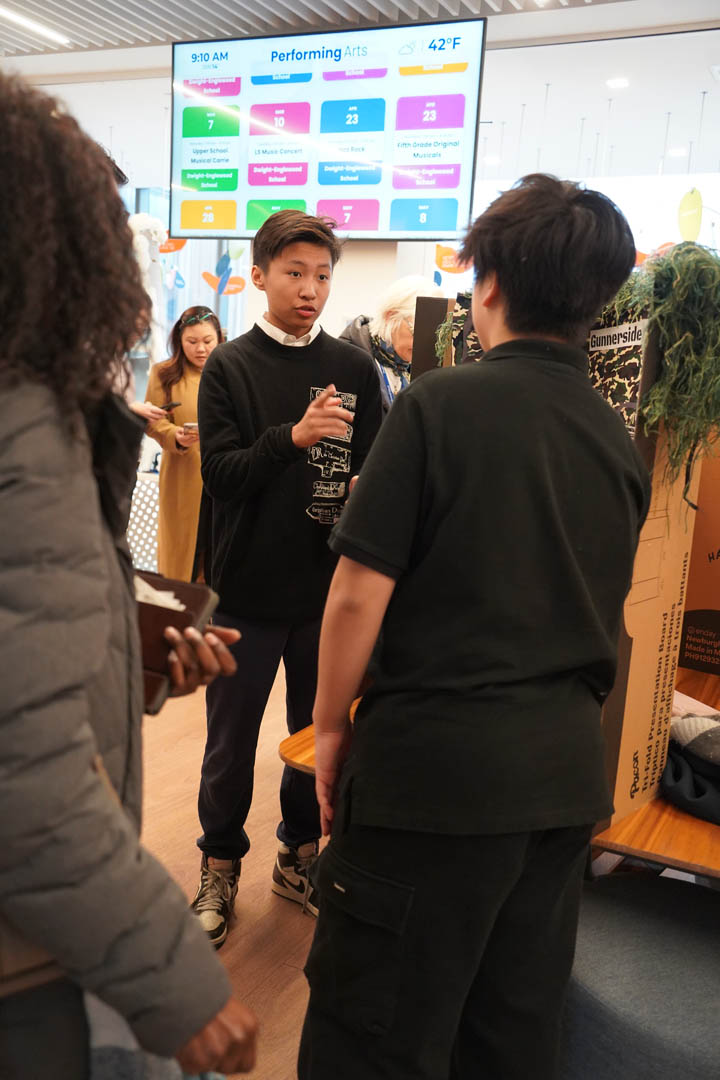
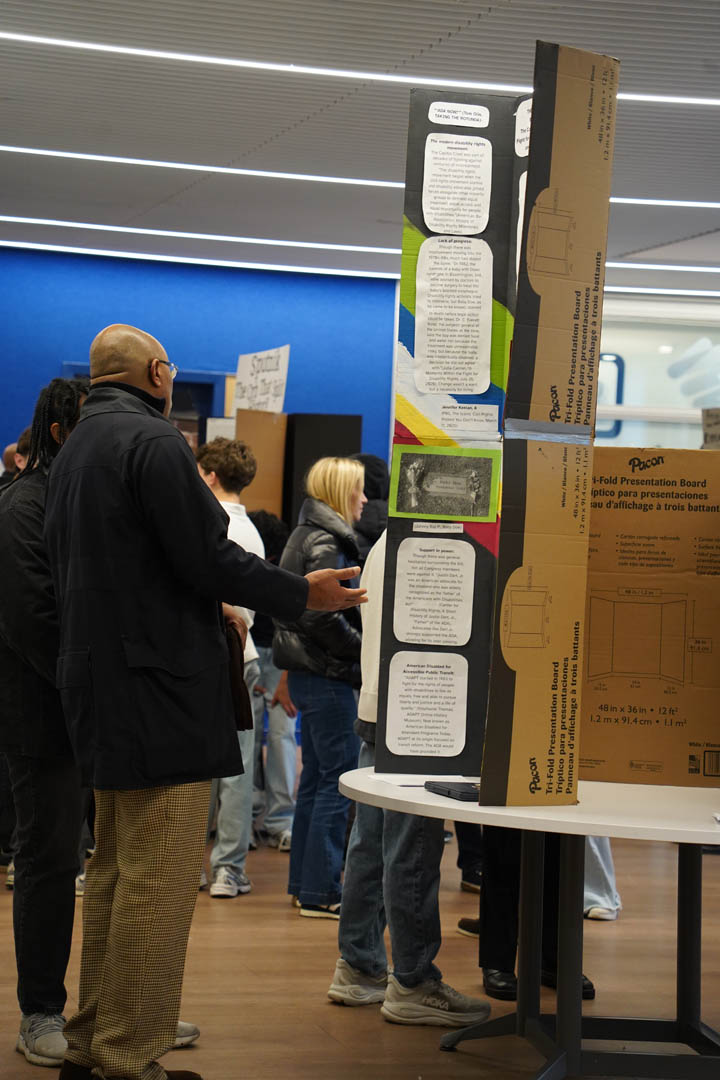
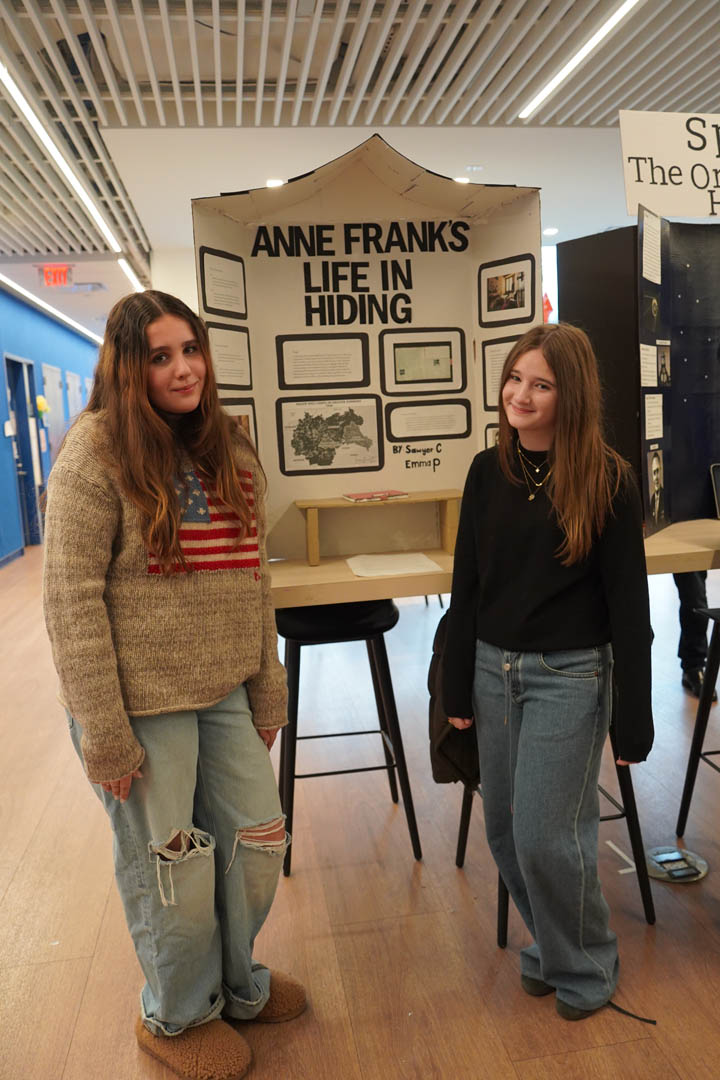
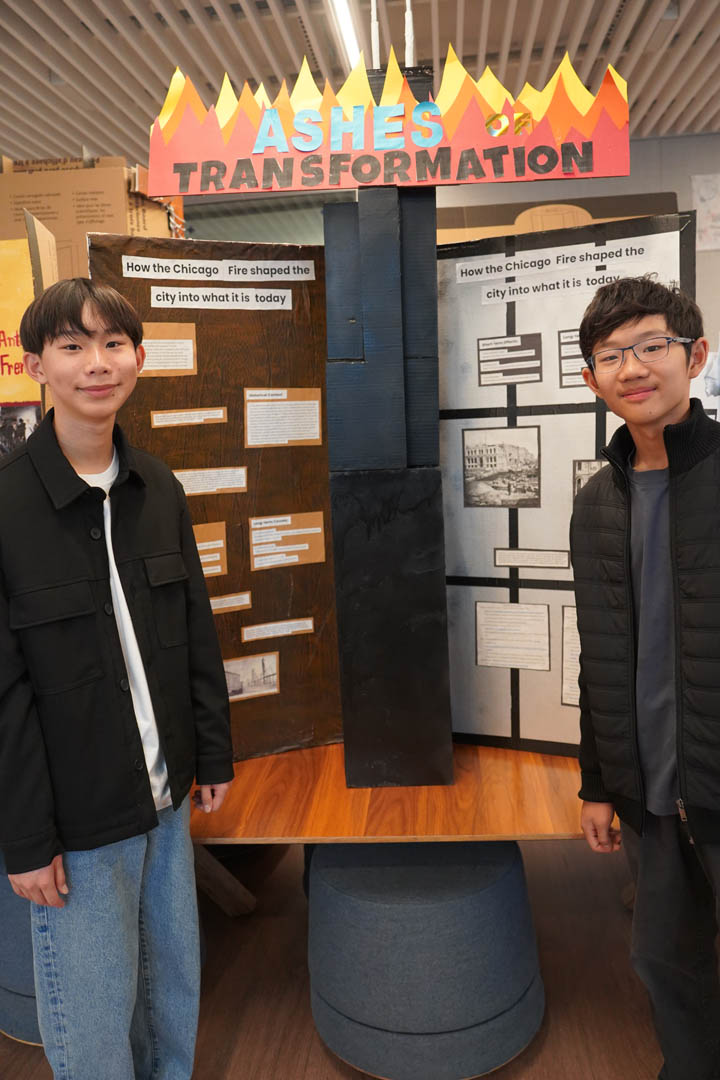
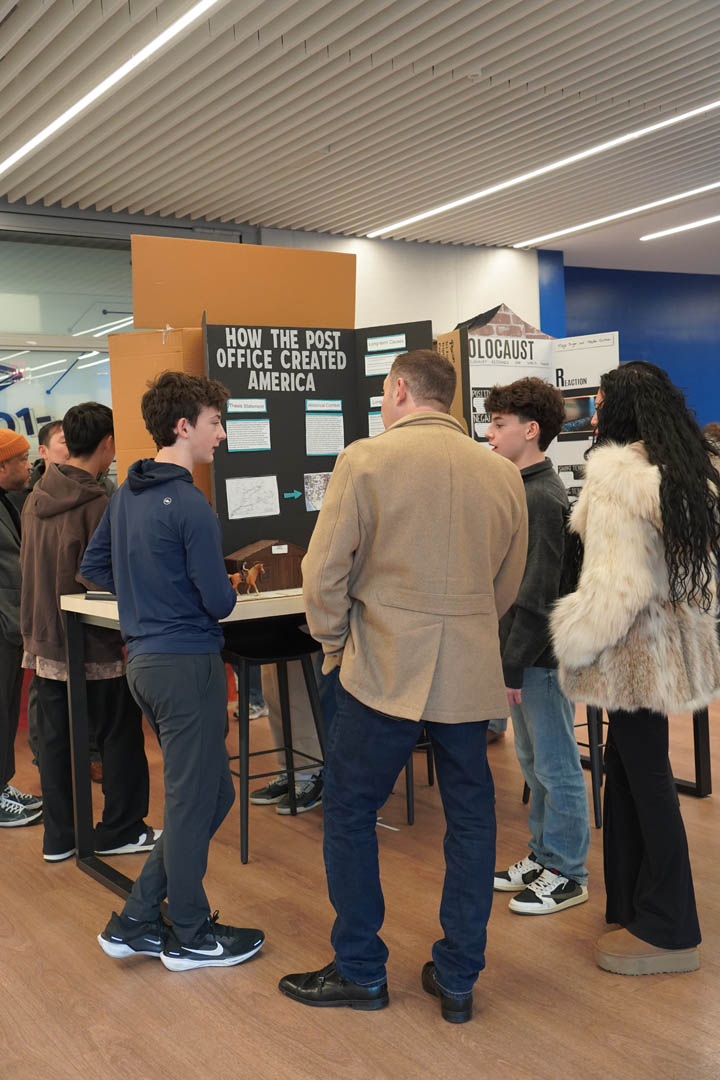
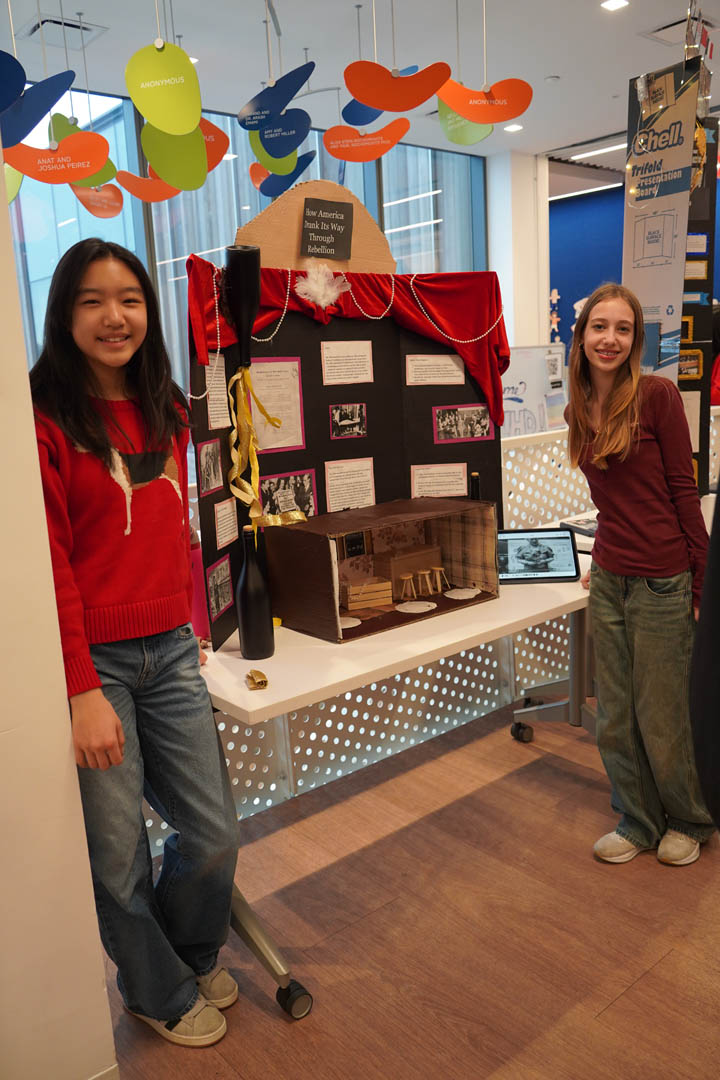
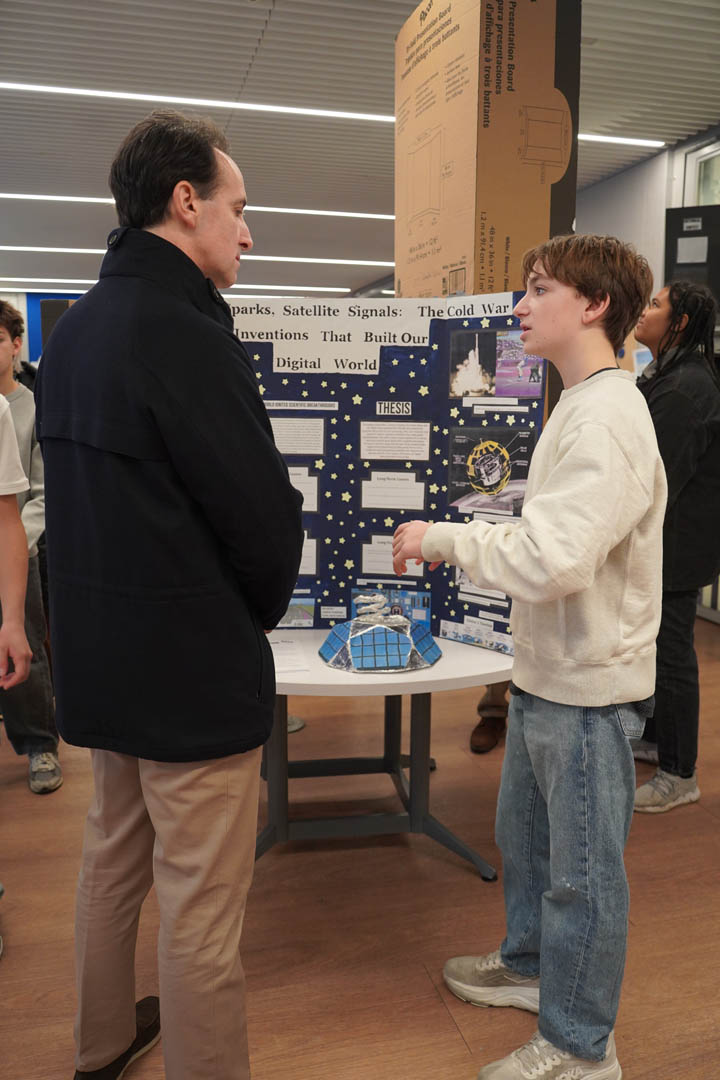
Similarly, 8th graders earlier in the school year took part in National History Day (NHD) presentations. NHD projects require students to choose a topic related to a specific theme and conduct research, write a thesis, and create a project that supports their historical argument, explained Mr. Gautham Akula P ’28, 8th Grade English and History Teacher.
This year, students took inspiration from the theme of “Revolution, Reaction, and Reform in History” to produce original projects in one of five creative formats, ranging from documentaries and exhibits to performances. “I tell them, if you’re not passionate about it, don’t do the [topic],” said Mr. Akula. “And you have to be curious. You have to want to know more. Because they have that choice, there’s a level of authenticity.”
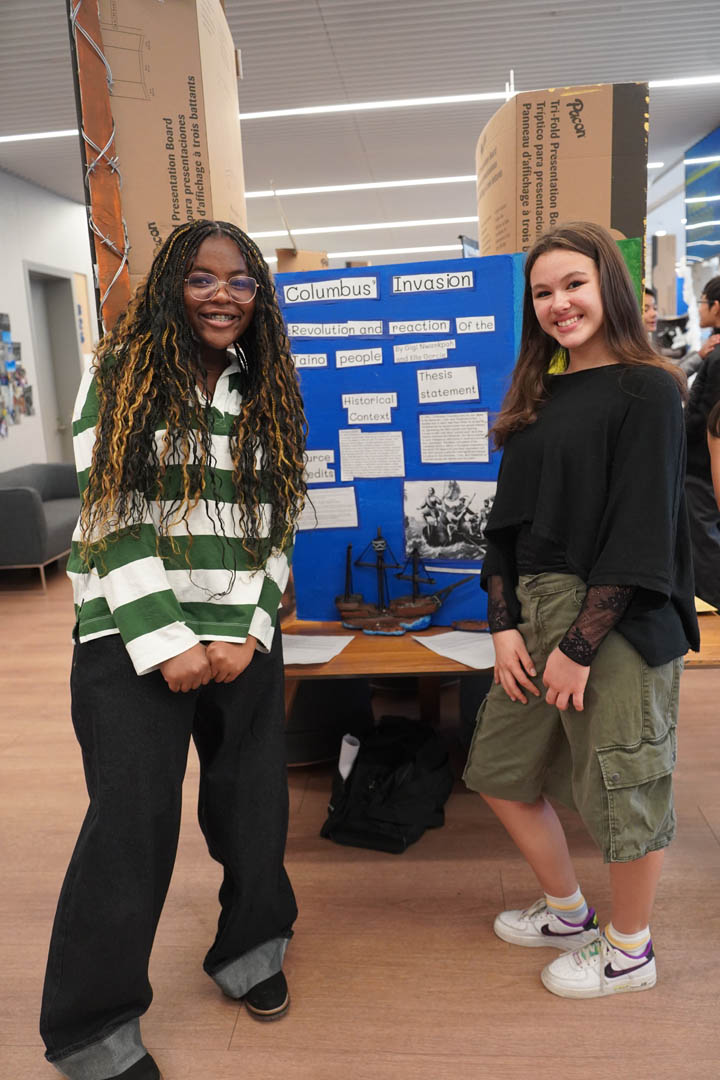
As part of their project, titled “Columbus’ Invasion: Revolution and Reaction with Taino People,” Gigi Nwankpah ’30 and Ella Gorcie ’30, created a replica of Columbus’ ship and remarked how “digging in” to the research was surprisingly fulfilling.
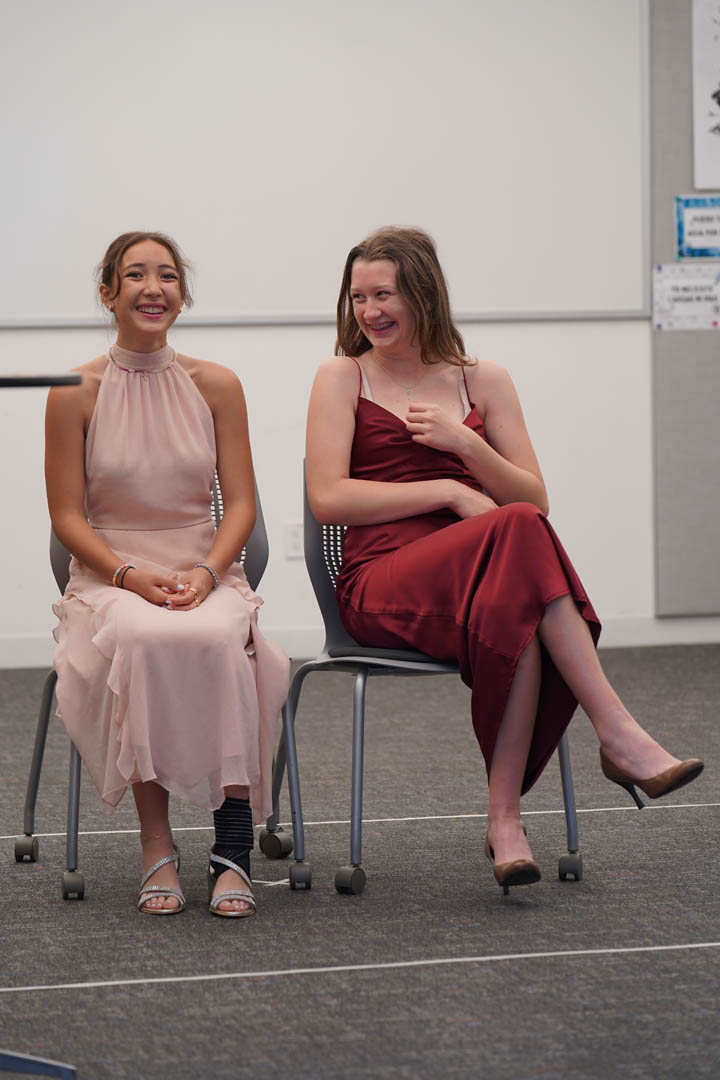
Zorena Amador ’30 and Stella Rego ’30 told the story of the Lowell Mill Girls, young women who effected change in labor laws amid the Industrial Revolution, through a thoughtful performance about a single mother worrying about how to provide for her child.
Amelie Marek ’30, Khloe Rhine ’30, and Allula Lapico ’30 also performed their project, which centered on Freedom Summer, a 1964 civil rights campaign in Mississippi to register Black voters.
“In our performance, we take the audience through the lives of African Americans and white volunteers and what happened behind the scenes of the Voting Rights Act of 1965,” said Amelie, who was among 11 students invited to present several months later at the New Jersey History Day Contest at William Paterson University.
Ella Wanich ’30 and Sia Shah ’30 also participated in the contest for their project titled “A World Rewritten: The Creation of the United Nations and a New Era of Global Peace.” Explained Ella, “Through our research, we discovered that world leaders’ ideas for the UN helped to provide a vision for the post-war world, and the UN not only came out of World War II but helped to encourage [the war’s] end.”
Her project partner, Sia, added that participating in the event made NHD even more meaningful. “We got to meet people from all over the state who were passionate about history, and we are very grateful to have been able to share that passion and love of the subject with them,” she said.
NHD also gave 8th graders the opportunity to hone their presentation skills, which they used in a great display of cross-divisional collaboration to mentor 4th graders leading up to their own “Inventions That Changed the World” research presentations, according to 4th Grade Teacher Ms. Nia Watson.
“These lessons connect classroom learning to the real world by illustrating how problems inspire innovation and how individual ideas can shape history,” said Ms. Watson, who with fellow 4th grade teachers Ms. Taryn Kuchar P’34, ’37 and Ms. Candace Ho ’34, ’38, facilitated field trips to both the New Jersey State House and the UN this school year as part of their Government Unit.
In Trenton, 4th graders sat in the room where representatives and senators made decisions. They also participated in a mock legislative session, in which they were sworn in as assembly members and discussed a law on whether public schools should make the teaching of cursive mandatory. Two students, Aarya V. ’34 and Thomas K. ’34, served as clerks by taking notes and tallying votes.
“I learned that there is much more to the Legislative Branch, like they have to think about the pros and cons [of each bill],” said Chris R. ’34, who listed some thoughtful considerations such as what grade would they start learning cursive and what if someone had a disability and couldn’t yet write in print.
“I tell the kids all the time, just because they’re young, they still have a voice. They still can be heard,” said Ms. Watson. “And I think that it’s important to not shy away from conversations that might be uncomfortable because they’re just curious. They’re growing up in a world that’s very confusing, even for adults.”
Inclusive Excellence
On the idea of being a “whole-souled citizen,” Mr. Russell-Walker likened this to “historical empathy and historical understanding.” In essence, he queried, what were the solutions to the problems our ancestors faced, and how will our solutions relate to and build onto theirs?
“I consider ourselves as essentially the torch bearers from the people before us and the people who will follow after us,” said Mr. Russell-Walker.
History also gives us the opportunity to study multiple perspectives, he added. “There are certain things that hit people differently depending on what their identities are, what their backgrounds are,” said Mr. Russell-Walker. “And to take those moments and try to foster a greater sense of reflection on why I’m particularly bothered or particularly encouraged by something in my class—that hopefully leads to further self-knowledge.”
Added Dr. Dominic Vendell, US History Teacher: “Different communities may have different narratives of why an event is meaningful for that community, and those narratives drive how we understand the history of that event… History is not just one factual record, but it’s constantly being rewritten based on who is the person who is studying the history or representing the history.”
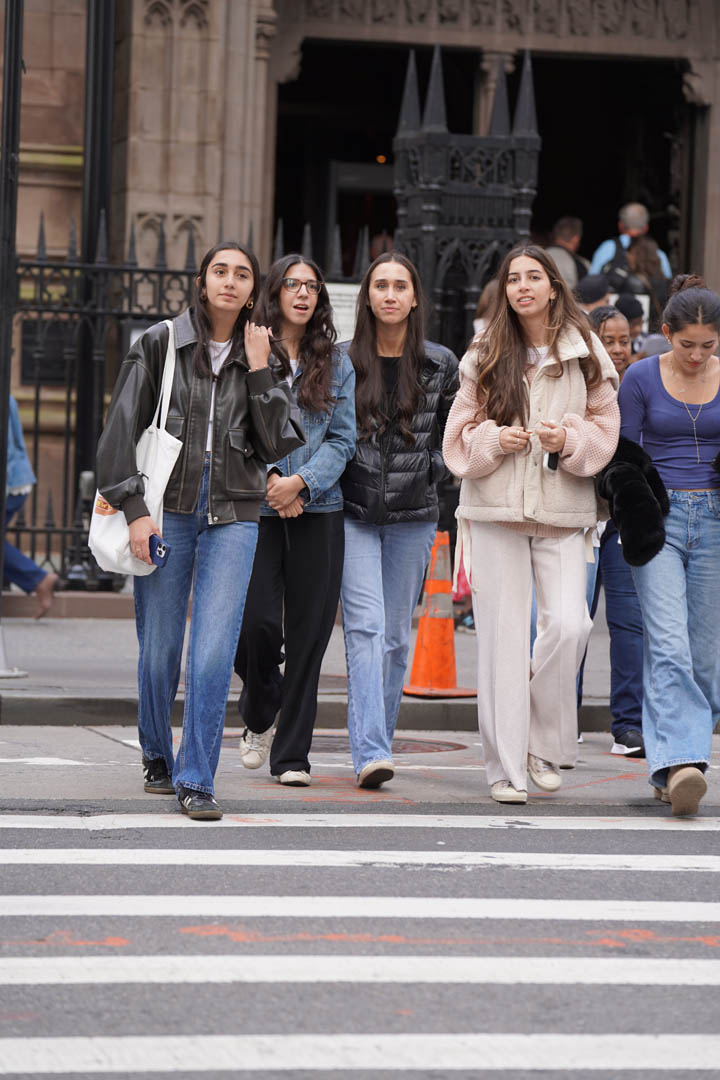
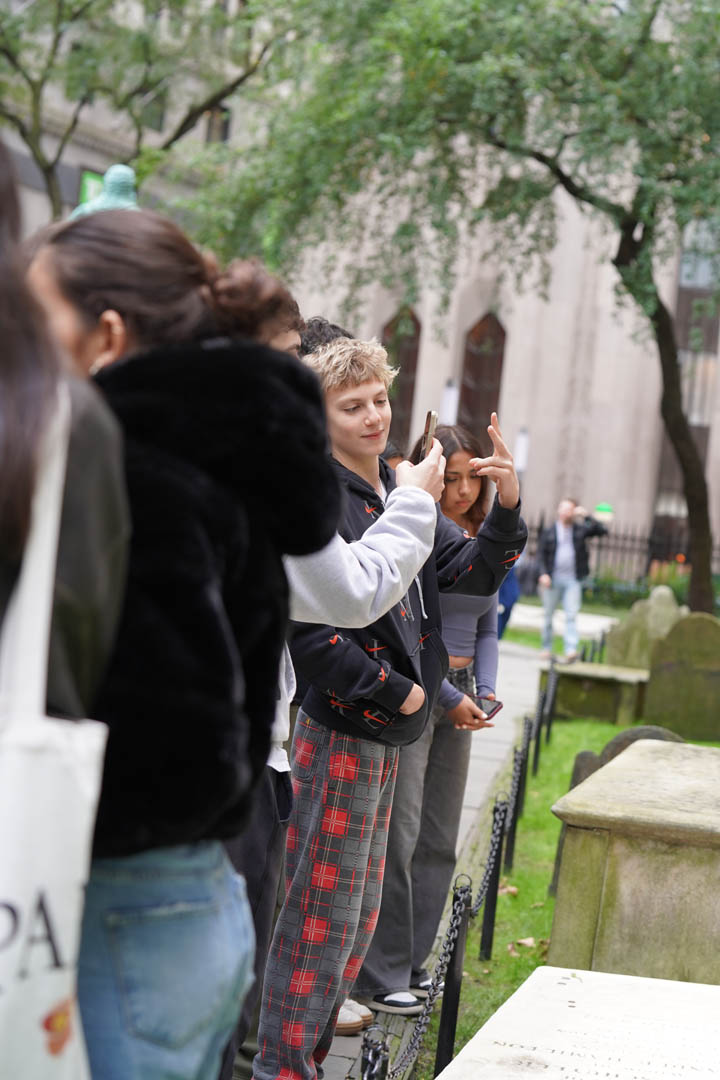
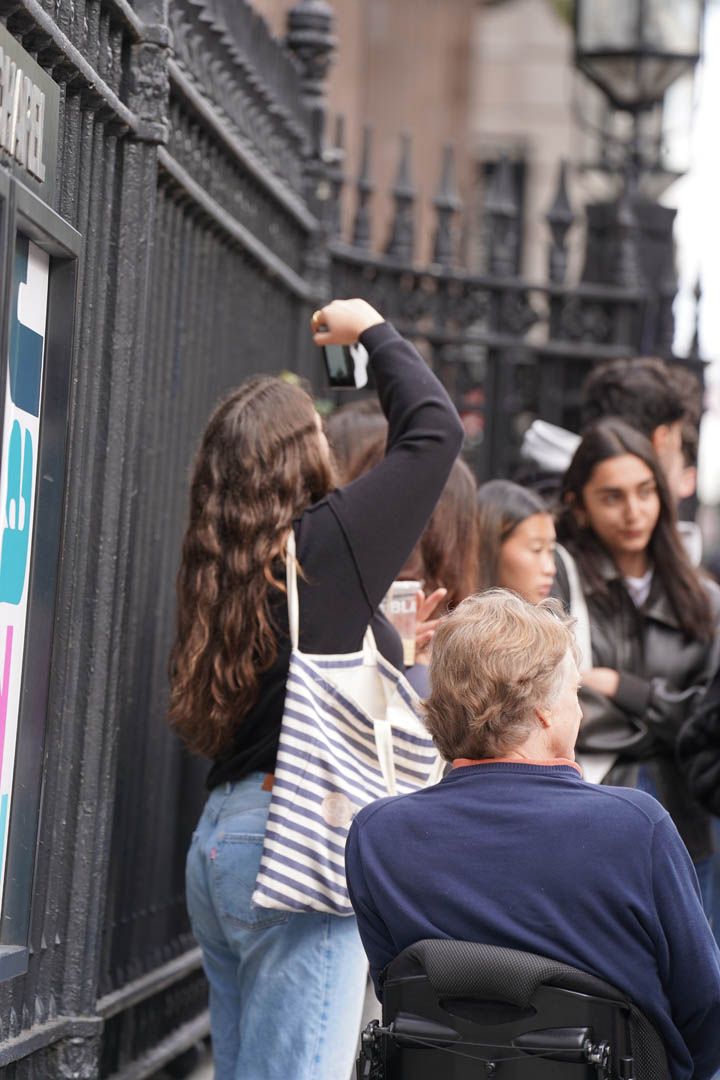
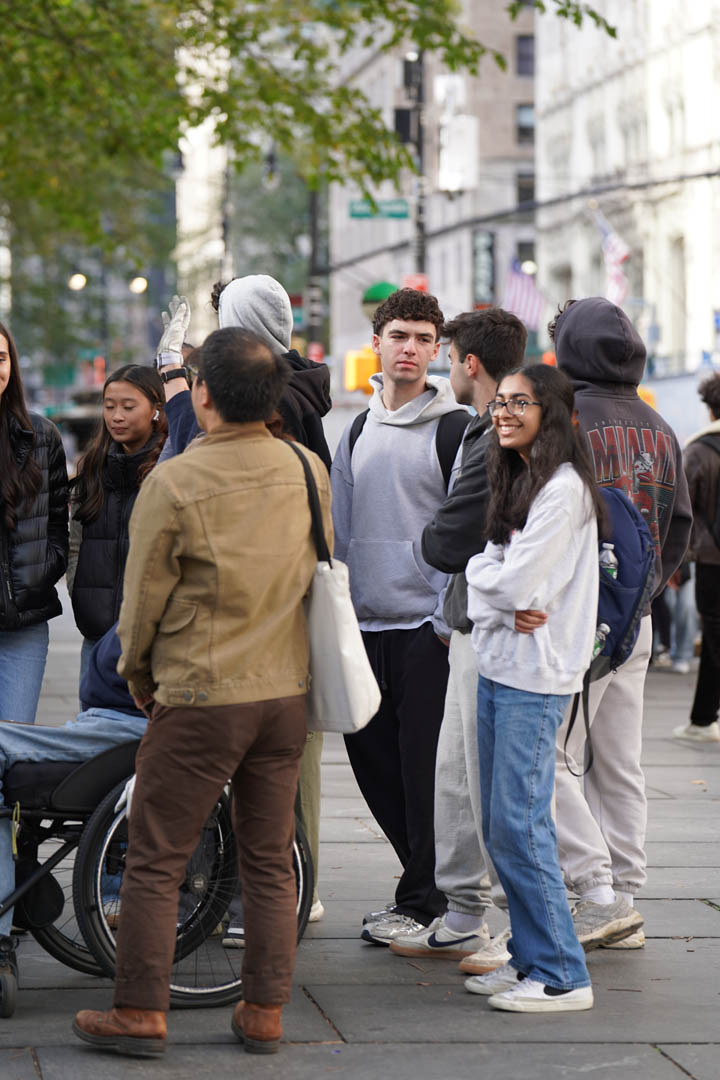
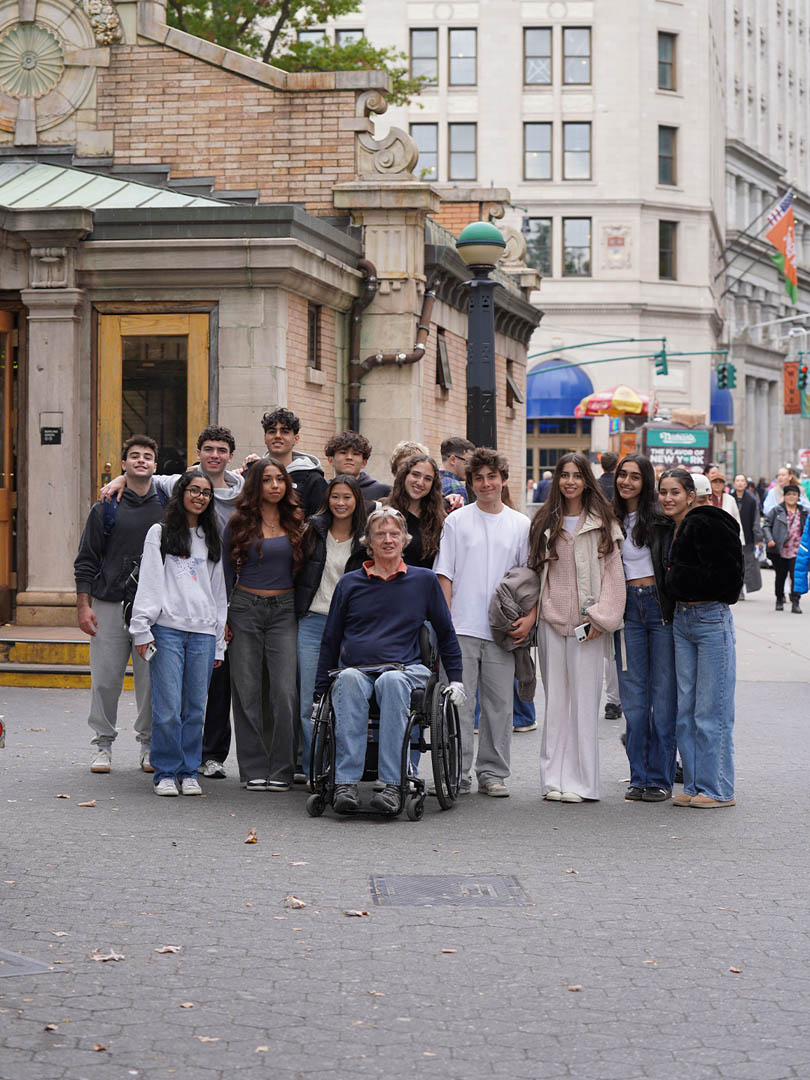
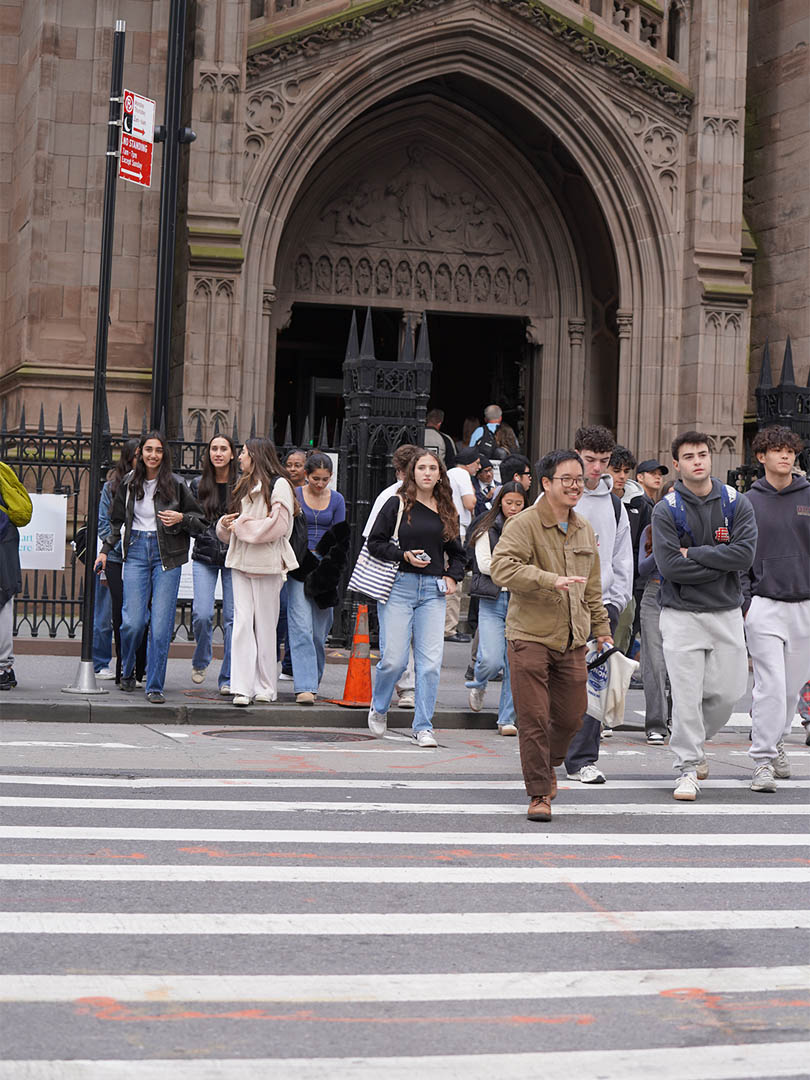
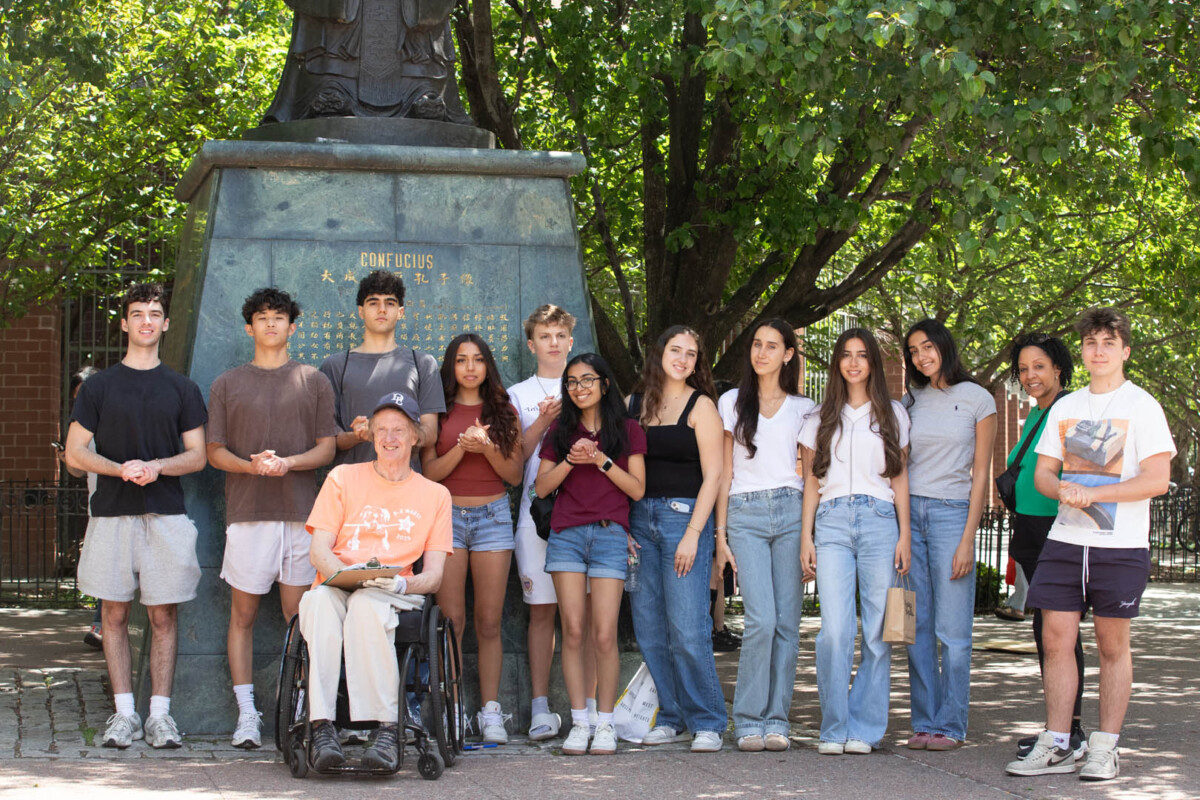
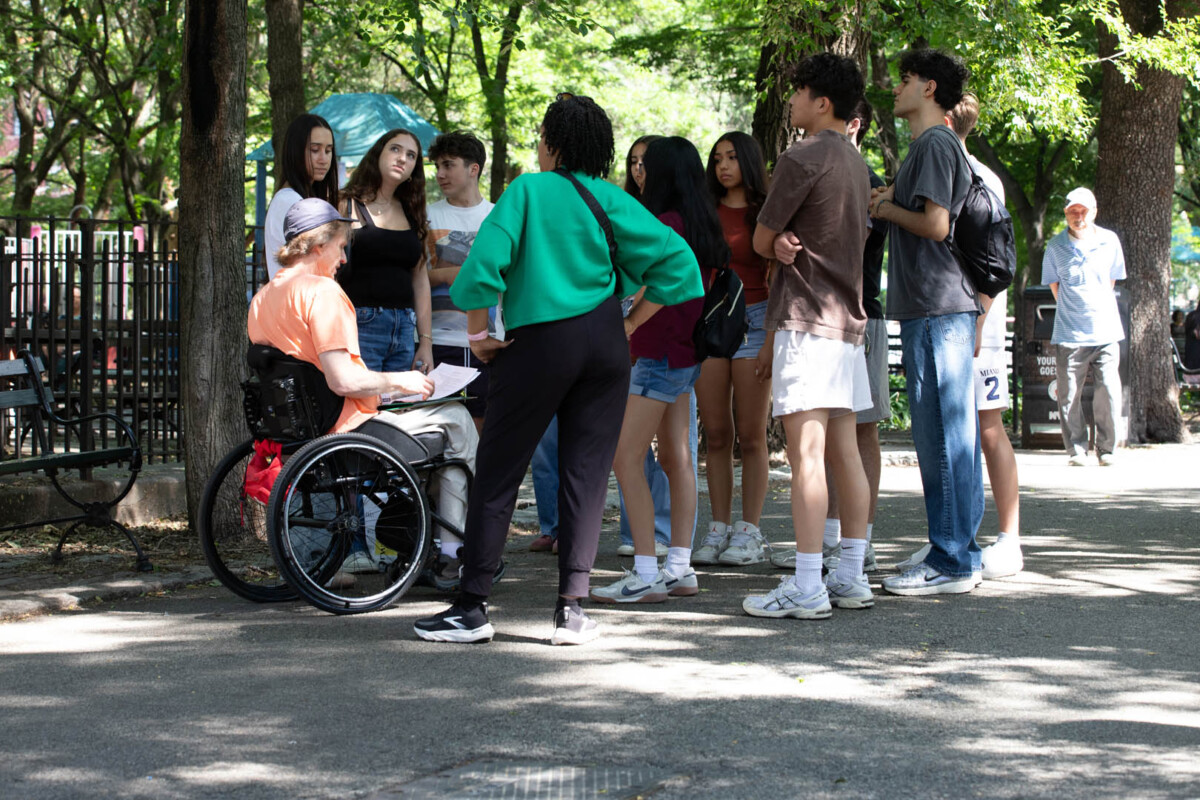
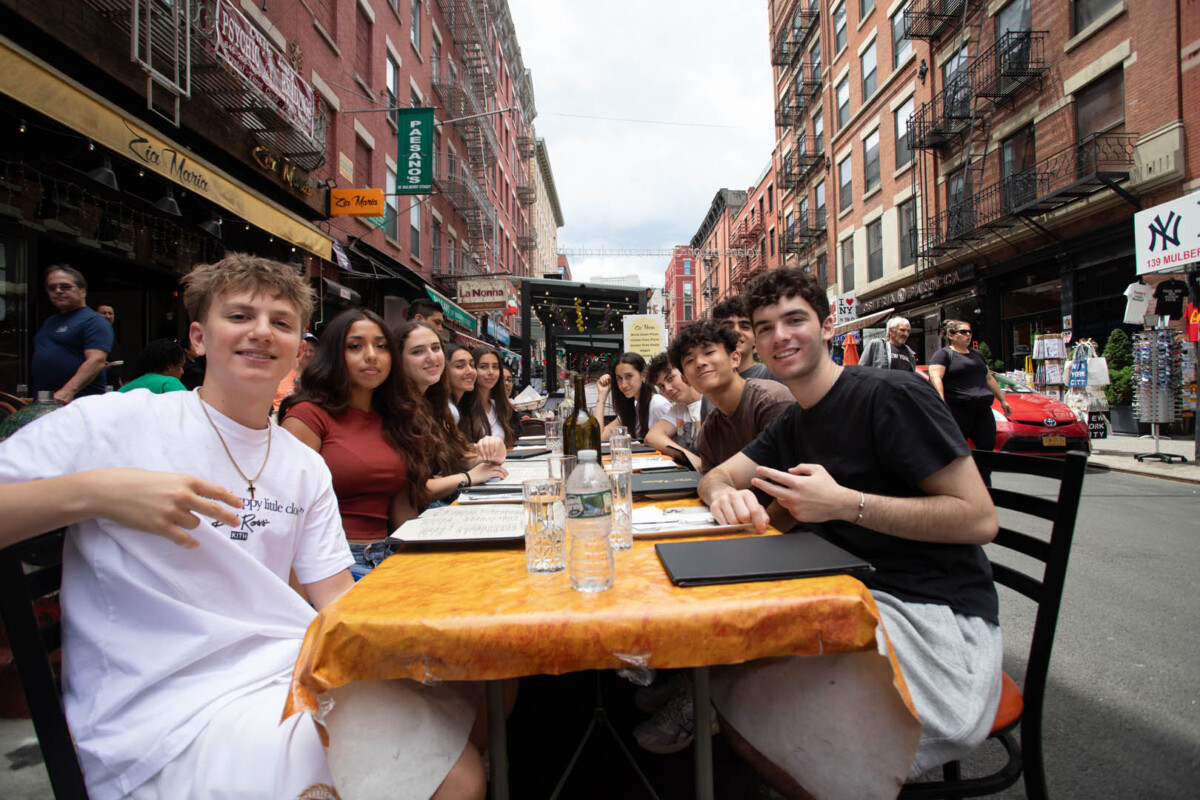
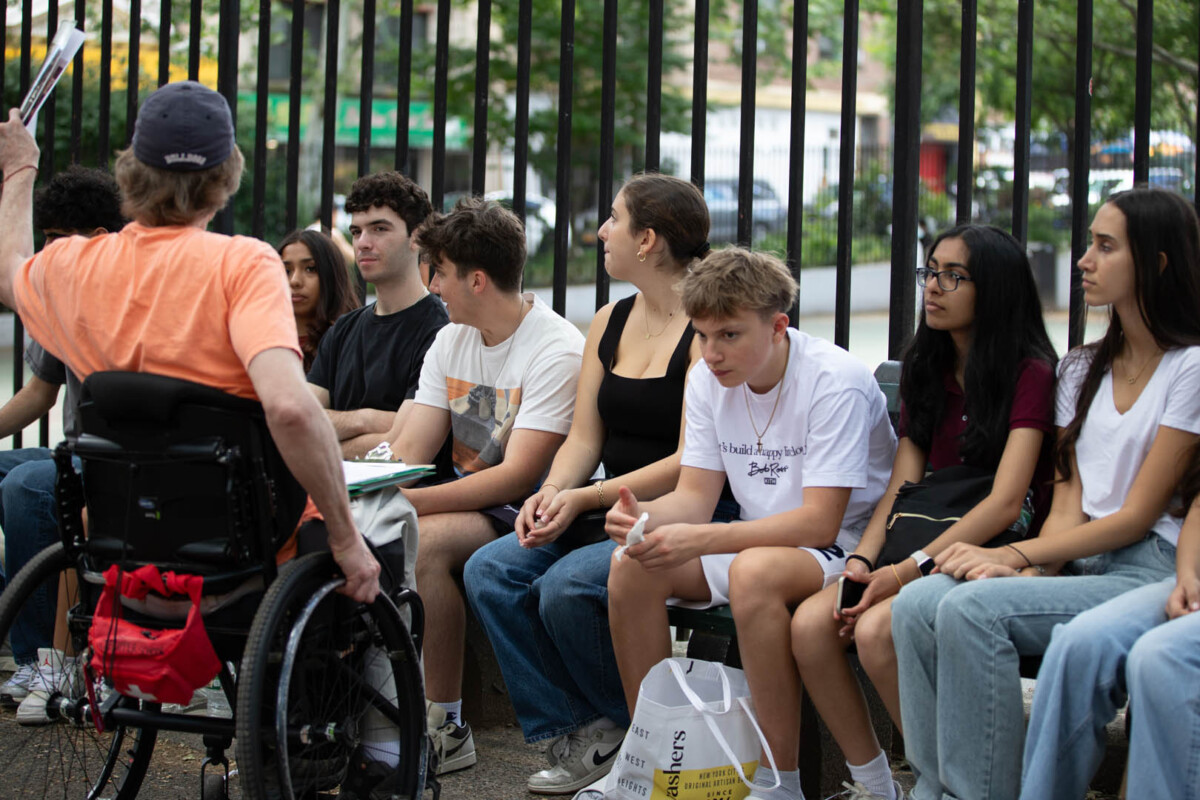
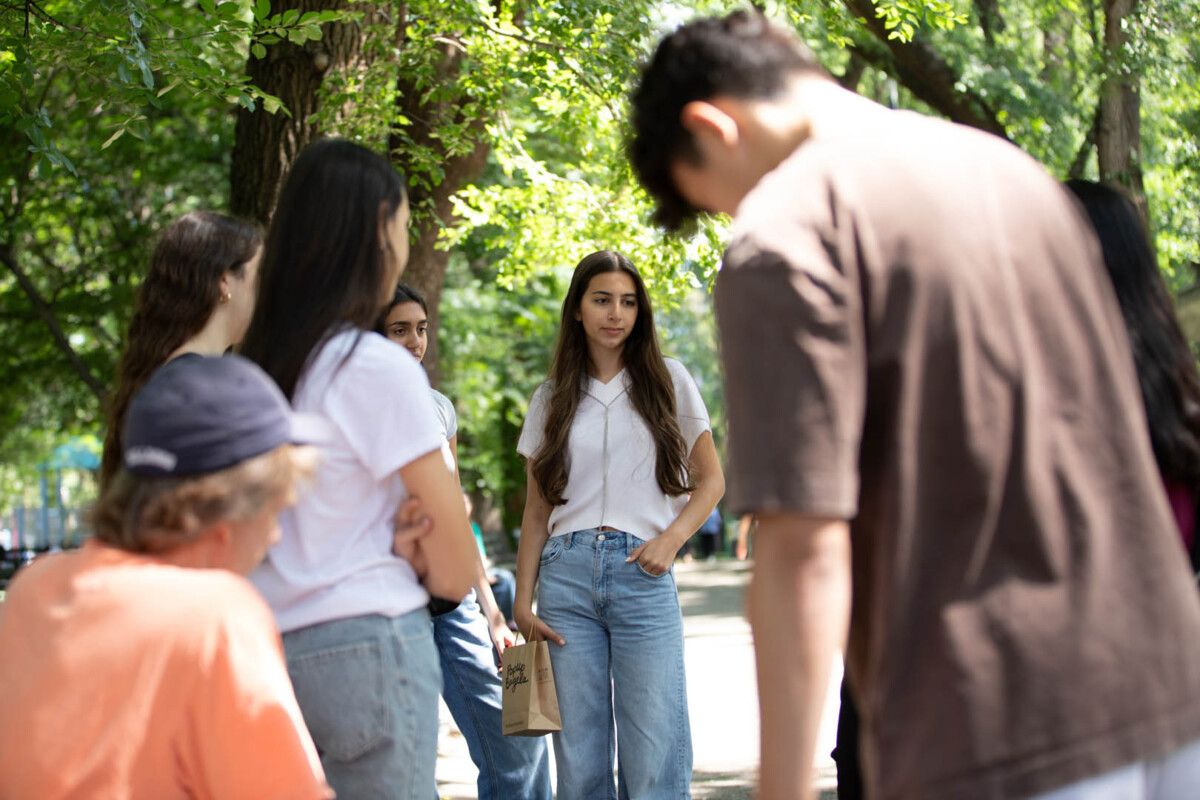
As part of his class on the History of New York City, US History Teacher Mr. Phil Swirbul takes students, a group of juniors, on field trips across the river to see first-hand the places they are learning about. “The themes we look at are how and why neighborhoods change,” he said.
Of his most recent field trip in May, focusing on “Immigrant New York,” Mr. Swirbul explained, “We go through what had been the Jewish Lower East Side, current day Chinatown, and we go through Little Italy, and what had been the Irish Five Points.”
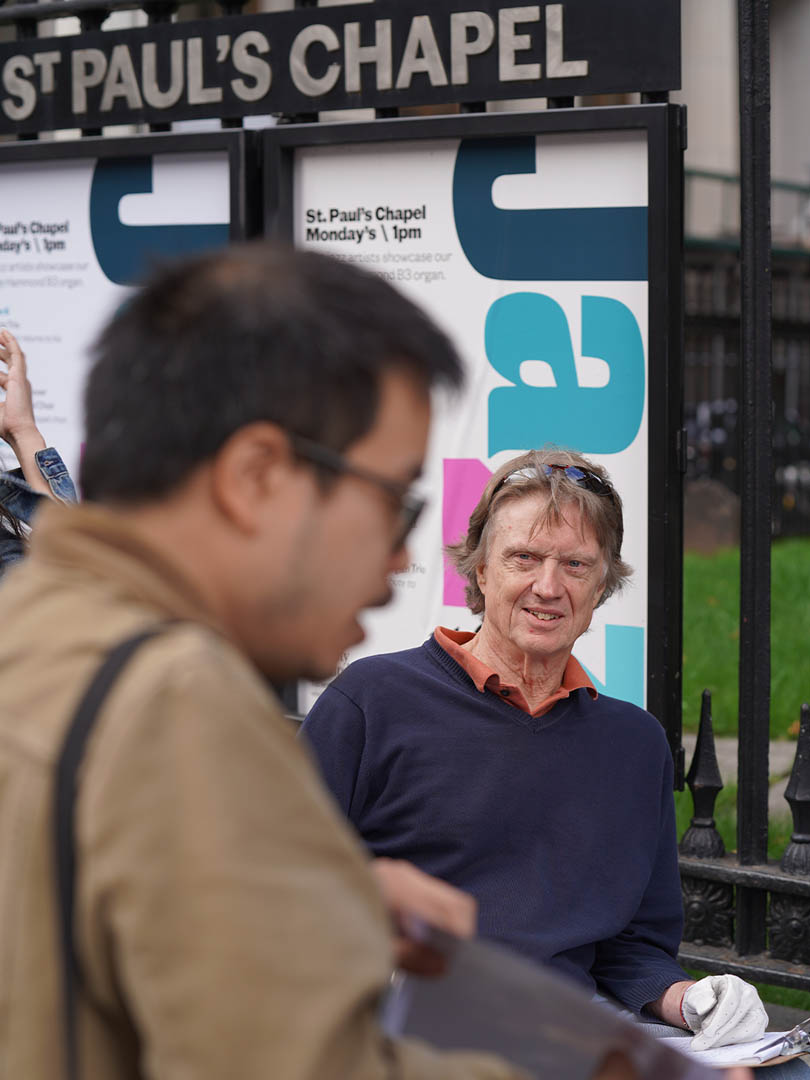
In the fall, Mr. Swirbul took the same group of juniors on a “Revolutionary New York” walking tour. The class learned about important events, people, and places associated with the Revolutionary era, including present-day City Hall Park, Trinity Church, Alexander Hamilton’s gravesite, Federal Hall, and Bowling Green, where a mob tore down a statue of King George III.
“This experience helped students to imagine what life was like in New York City in that era,” said Mr. Swirbul.
Ibelle Bahrampour ’27 said she found the fall tour both interesting and educational. “One thing that really stood out to me was visiting Alexander Hamilton’s grave,” she said. “I didn’t realize he was buried there, and it made the history feel more real. Overall, it was such a fun and memorable experience.”
For the History Department, discovery is a primary goal. “I hope students take away the connections between what we read in our textbooks and life as seen in the streets,” said Mr. Swirbul.
Innovation In Action
“I think history is really examining innovation as a strategy, innovation as problem-solving, and how do we introduce that to students in developmentally appropriate ways and in ways that gives them understanding of why decisions were made in the past that might be flawed or might be incomplete,” remarked Mr. Russell-Walker.
US History Teacher Dr. Ari Easley-Houser noted the importance of students understanding how we got to this point in time. “You think about so much political unrest, challenges that people are facing, economic challenges, and I think oftentimes students think that it’s new,” said Dr. Easley-Houser. “I’m always trying to remind them… that there’ve been lessons in the past that can make sense of what’s happening now.”
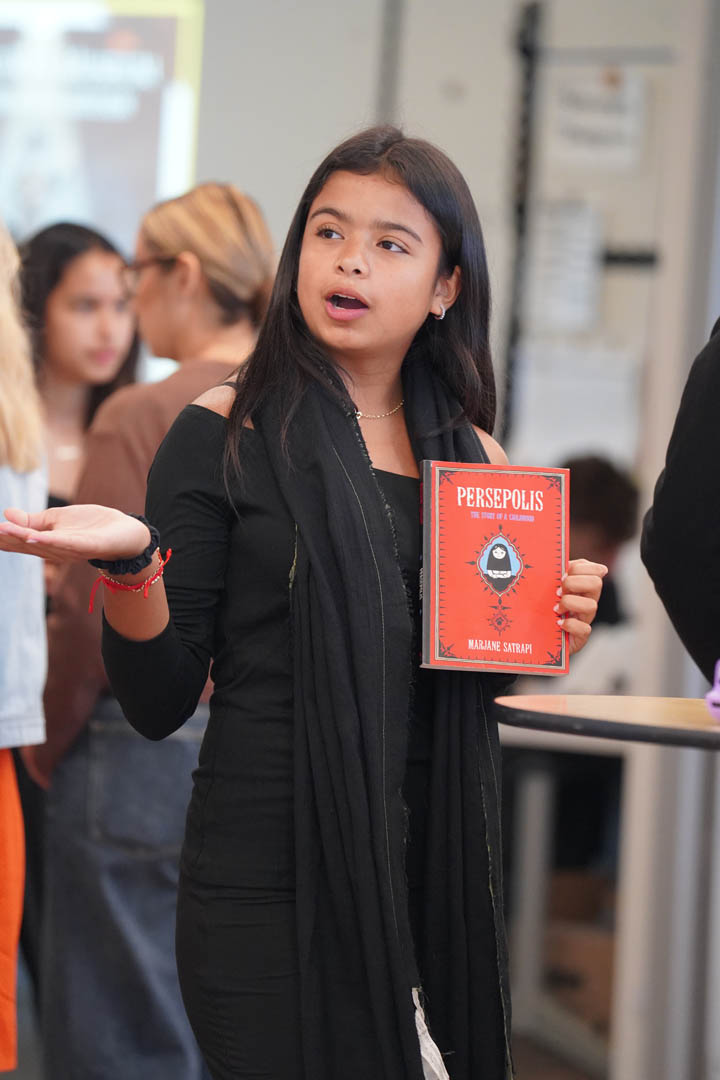
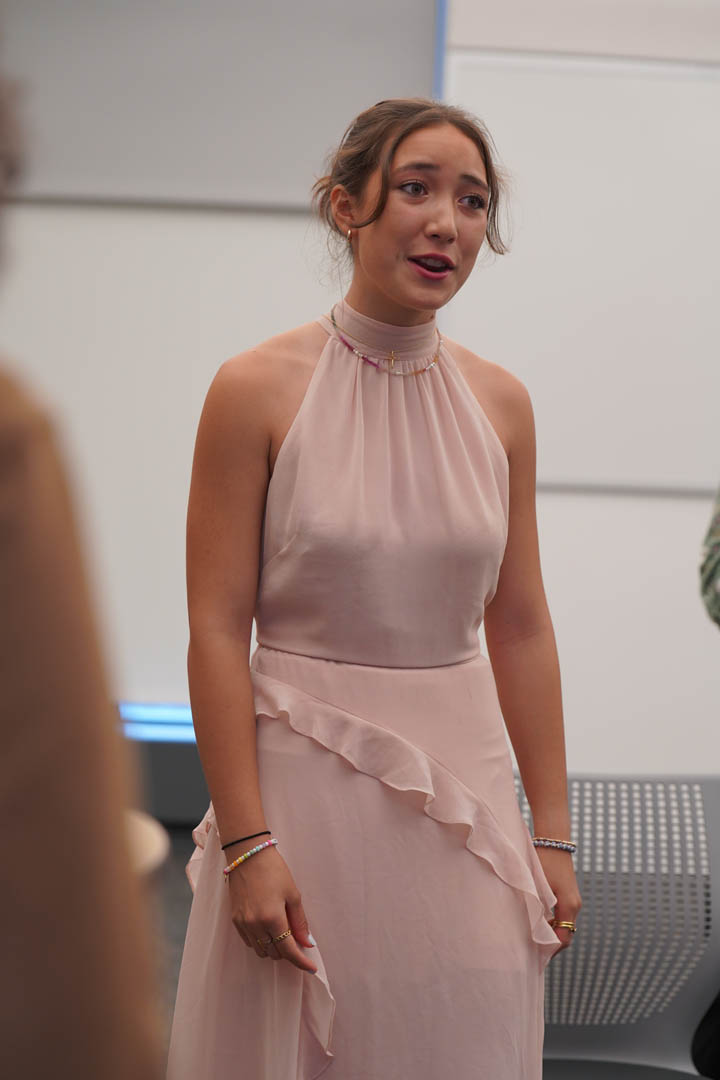
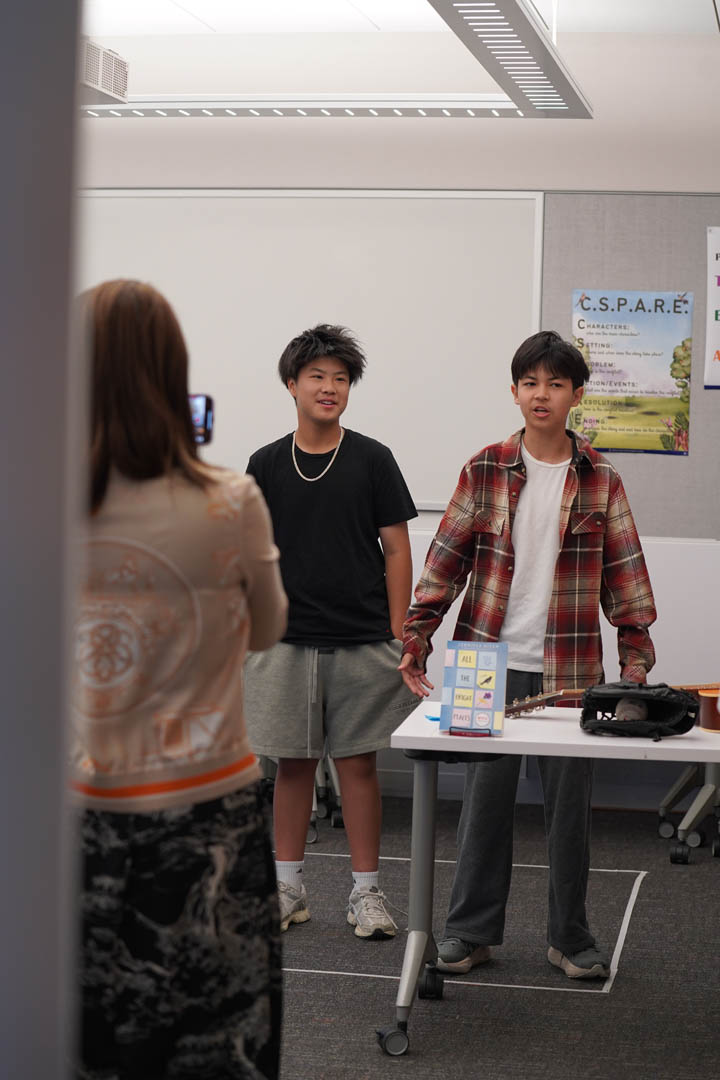
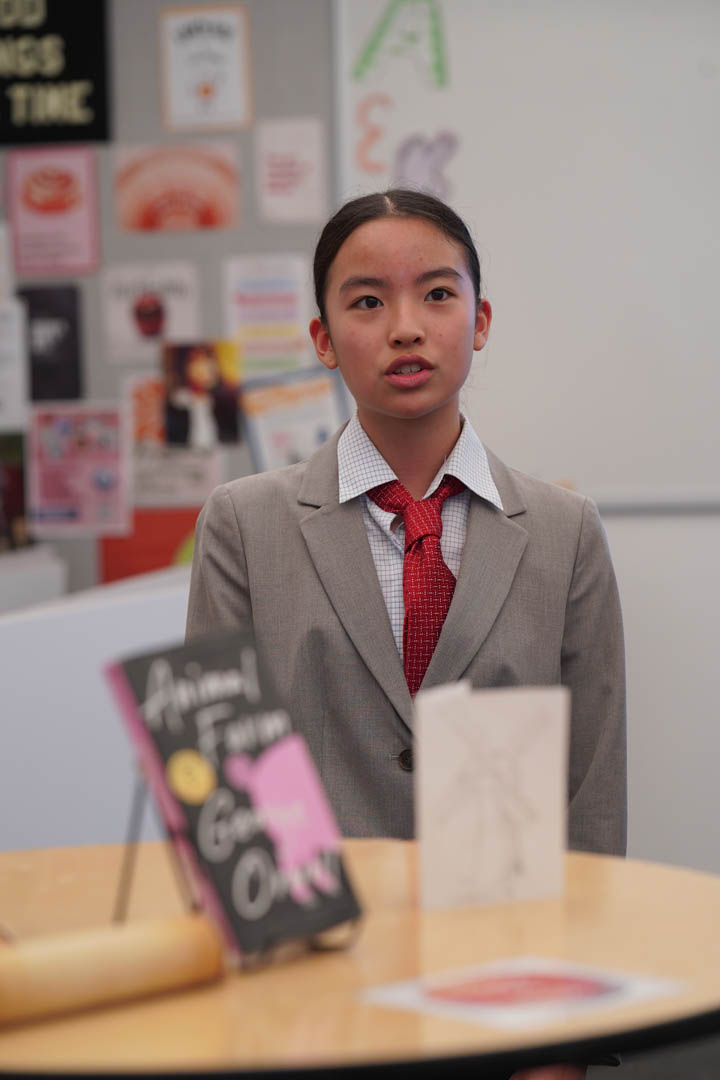
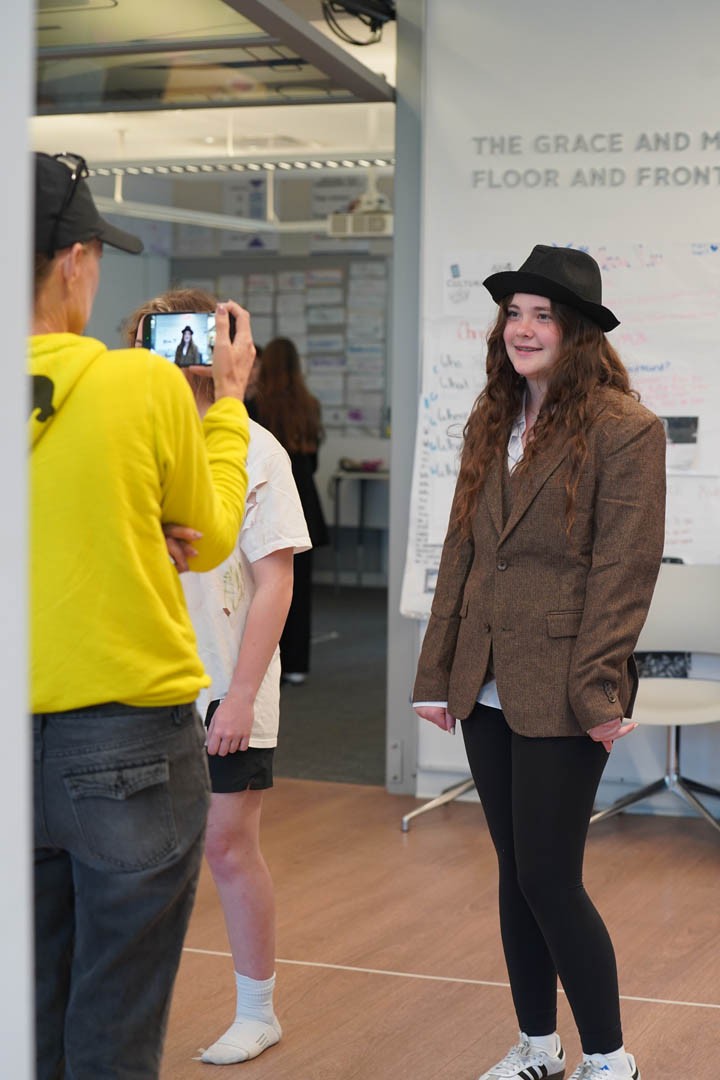
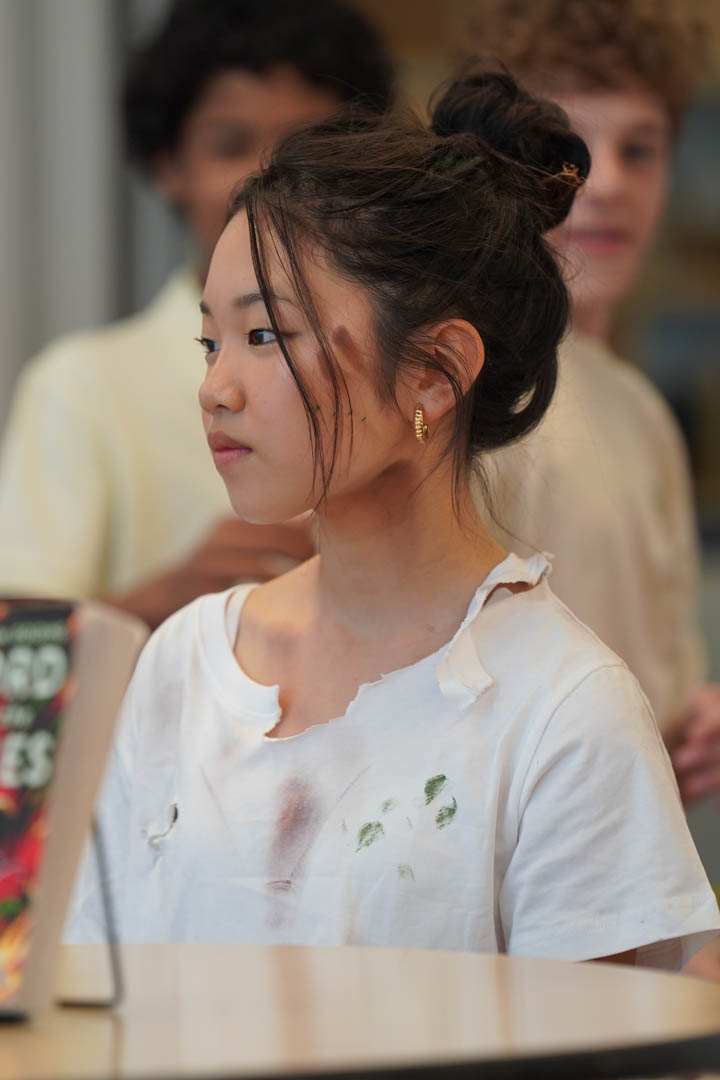
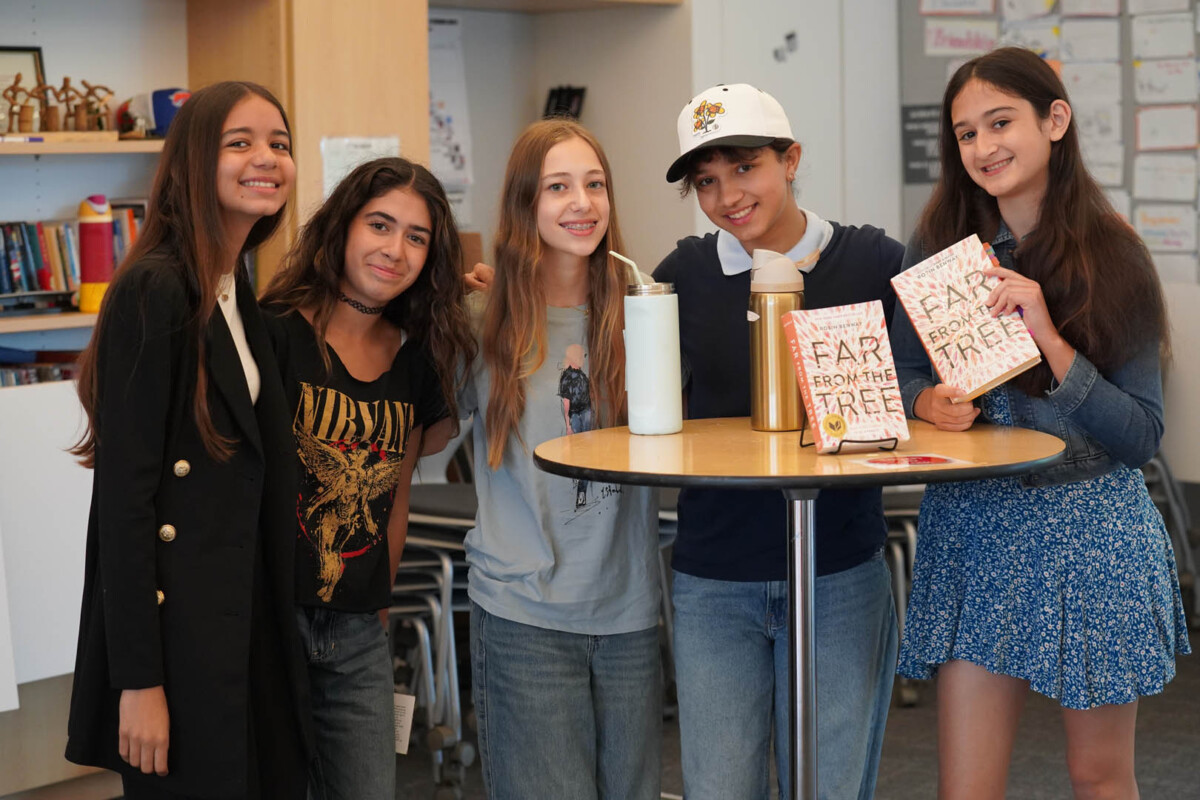
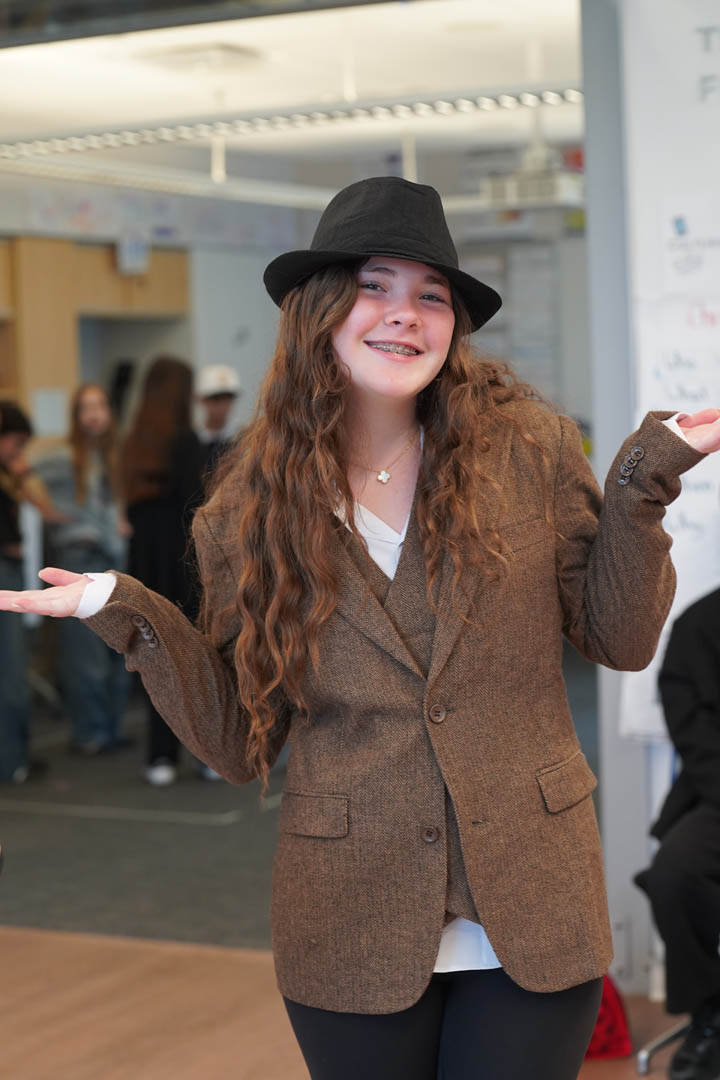
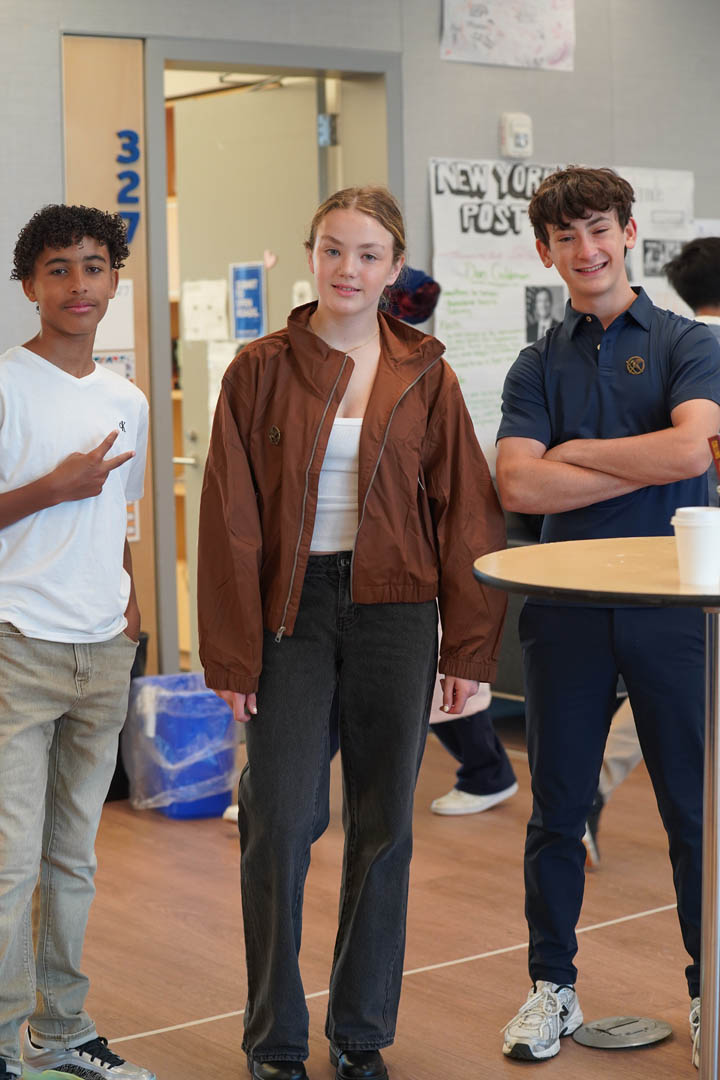
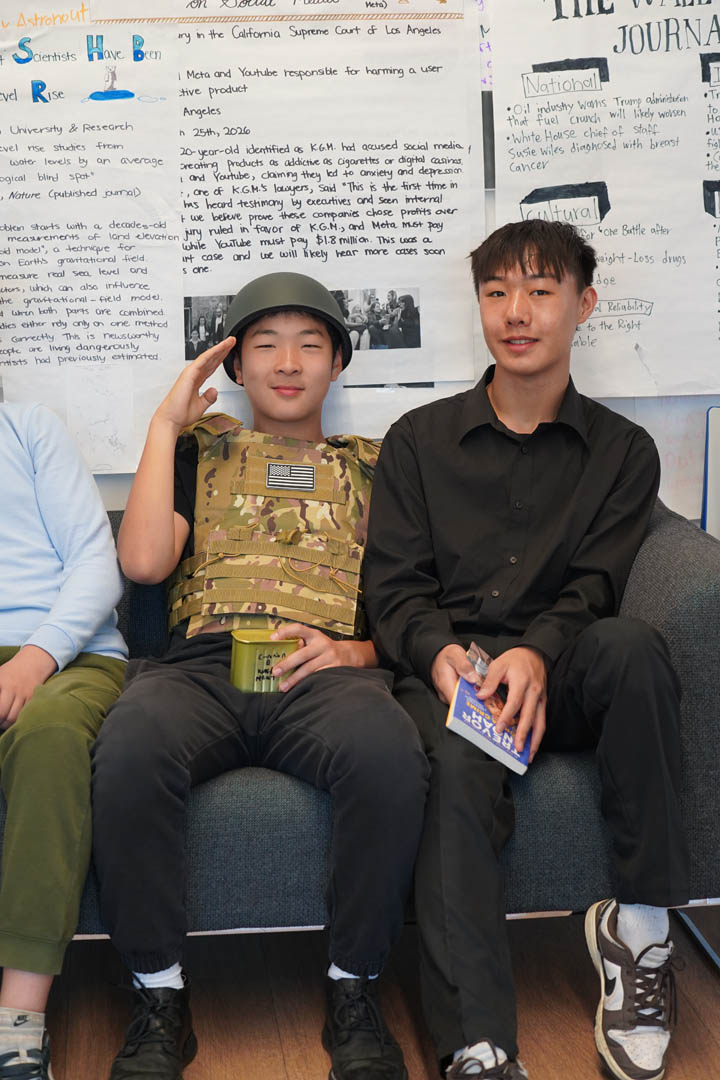
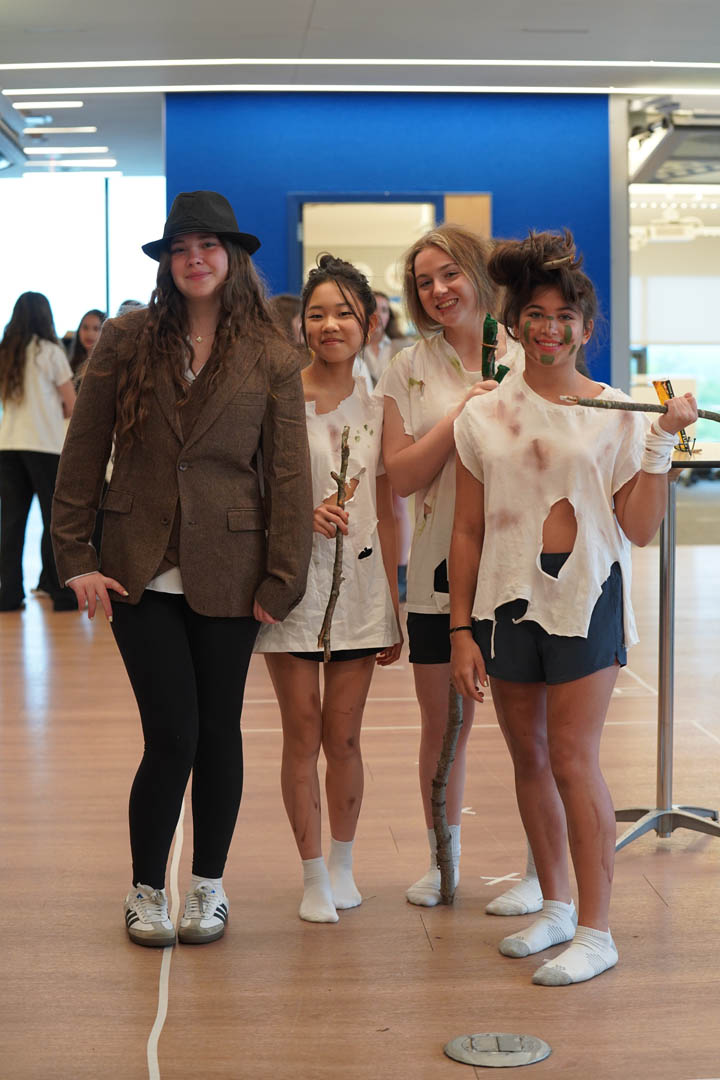
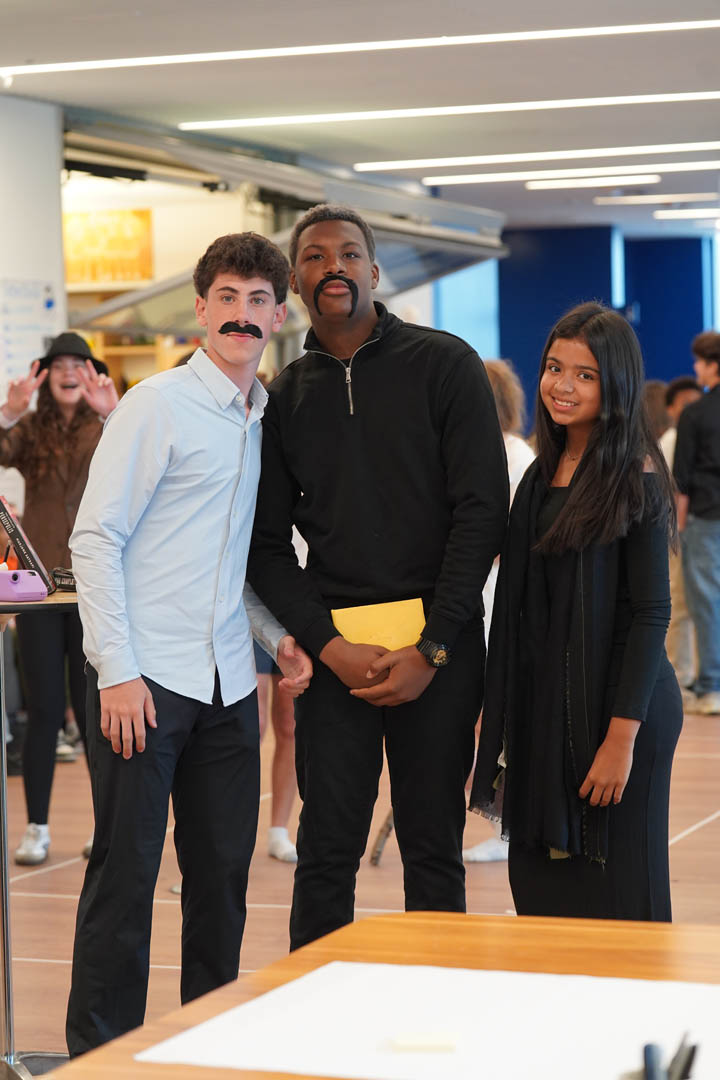
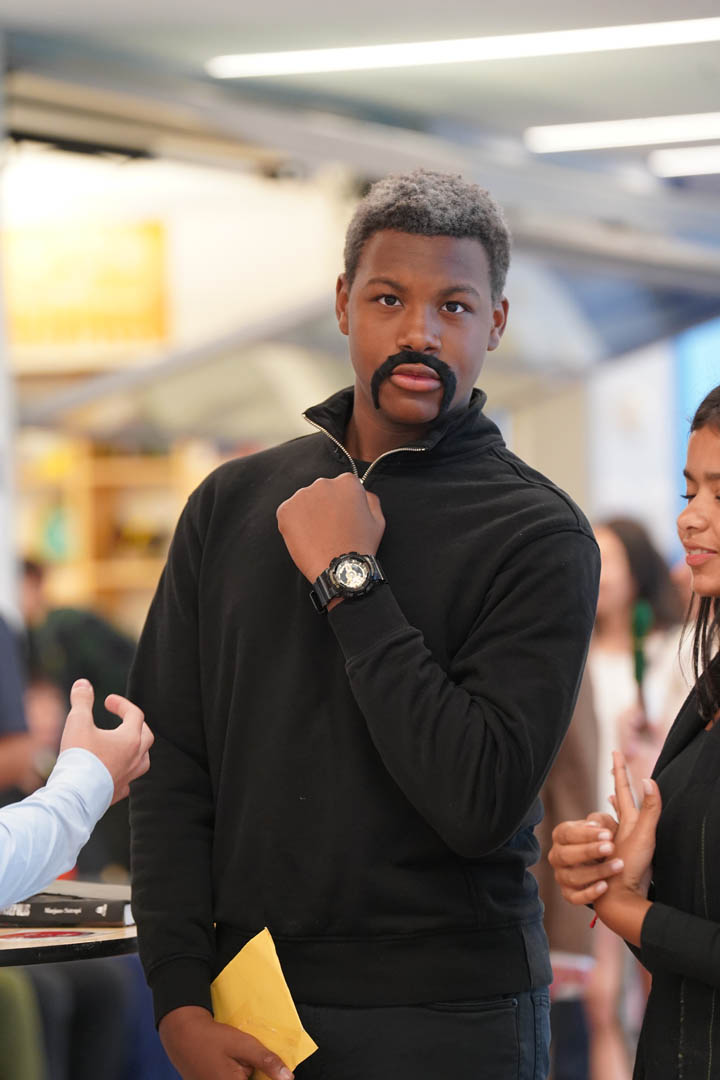
Eighth graders did some of this exploration as part of their “Living Wax Museum: Banned Books Edition” presentations. The cross-disciplinary project, facilitated by Ms. Amanda Burnett, 8th Grade English Teacher, and Mr. Akula consisted of dynamic, student-led performances that brought literature and history to life in a memorable way.
In small groups, students immersed themselves in books that have been banned across the United States, with one student speaking as the author and sharing the ideas that made the book controversial, and their peers embodying the characters from the story.
Ms. Burnett said the reason for the theme was the fact that book bans are on the rise nationally. “At a time when there’s a narrowing of voices, it’s important to deliberately expand them,” she remarked.
Featured books included George Orwell’s Animal Farm, William Golding’s Lord of the Flies, J.D. Salinger’s Catcher in the Rye, The Complete Persepolis by Marjane Satrapi, and many more. Students gave insightful reasons why these books should not be banned, such as helping to publicize important issues and encouraging vulnerability.
“By inhabiting voices that have been silenced or suppressed, students are doing exactly what Dwight-Englewood challenges them to do—meet the complexities of a changing world with curiosity, courage, and a commitment to making it better,” said Ms. Burnett.
It’s this curiosity and passion for learning about the past that Mr. Russell-Walker said, “is really what makes it exciting to be here every day.”