
The next installment of our community “Spotlight” series is an exploration of the Science Department. “Science is all around us… it explains how the universe works, how we are alive, and so we encounter it every day,” noted Ms. Tara Weinstein, Science Department Chair and Upper School (US) Physics Teacher.
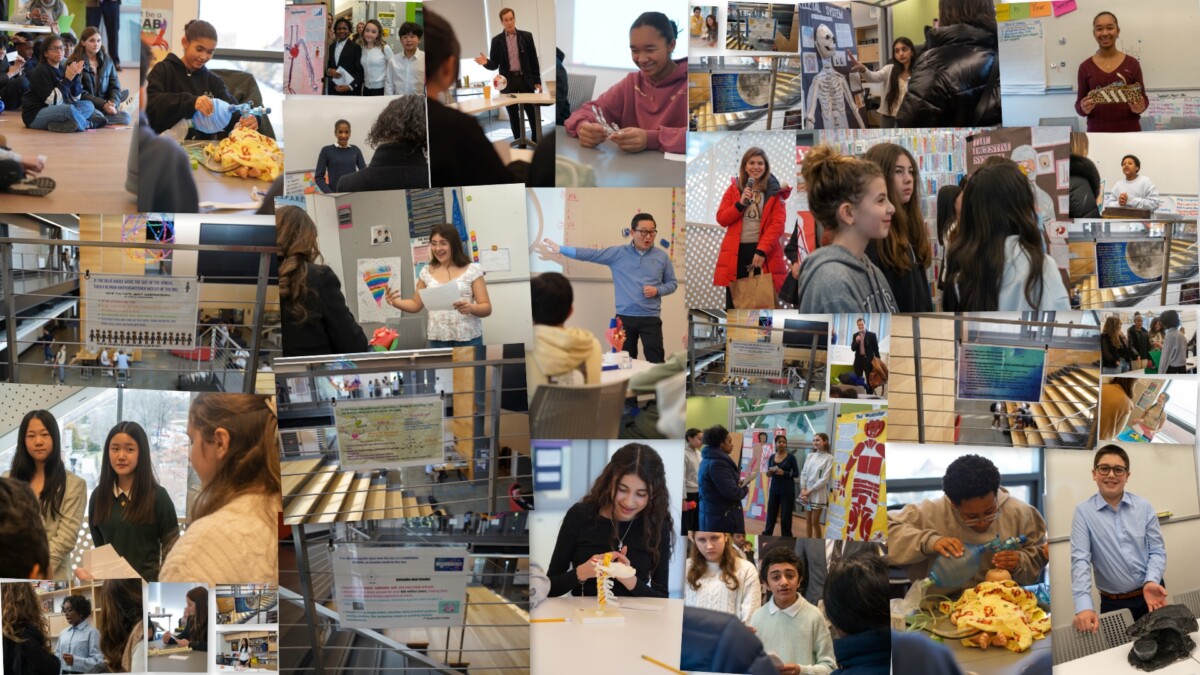
She and other members of the D-E Science Faculty share insights into cross-divisional and cross-disciplinary opportunities our students have been engaged in, from the Scales of the Universe project currently hanging in the STEM Building to the 7th Grade Anatomy of a Human Unit in the Middle School.
Cross-Divisional Programming
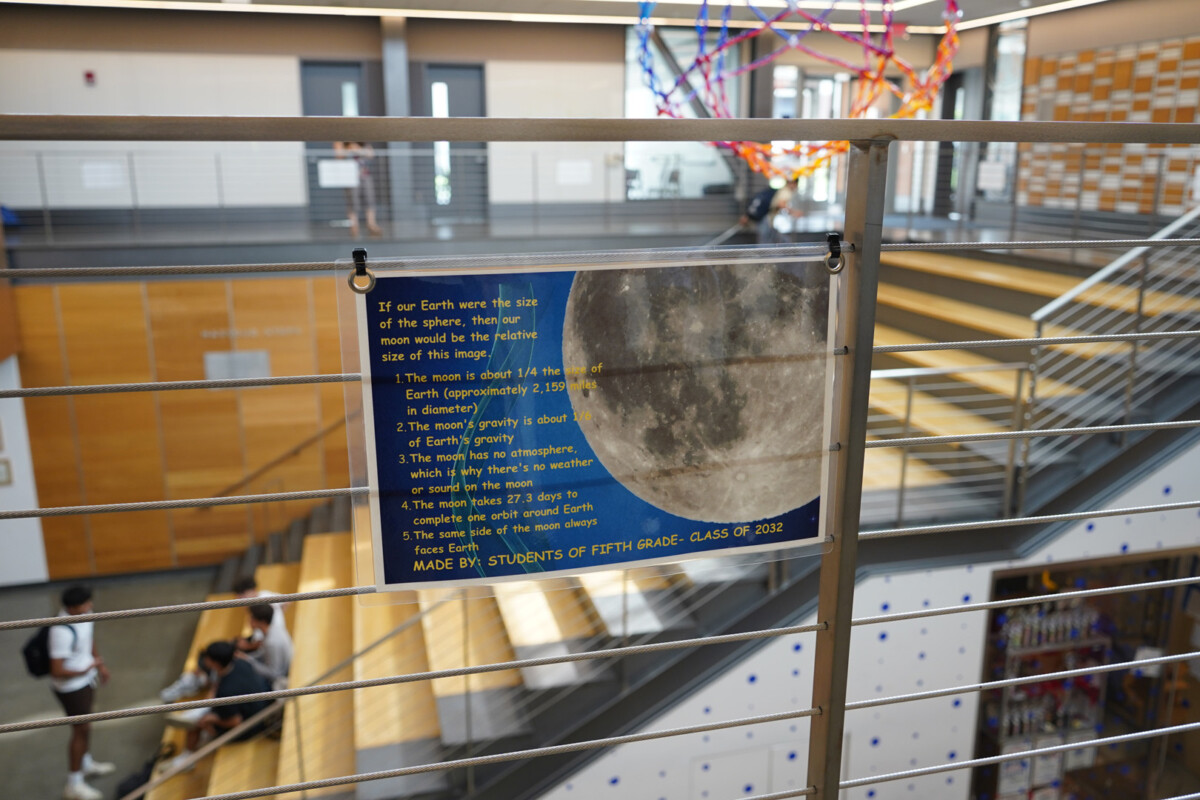
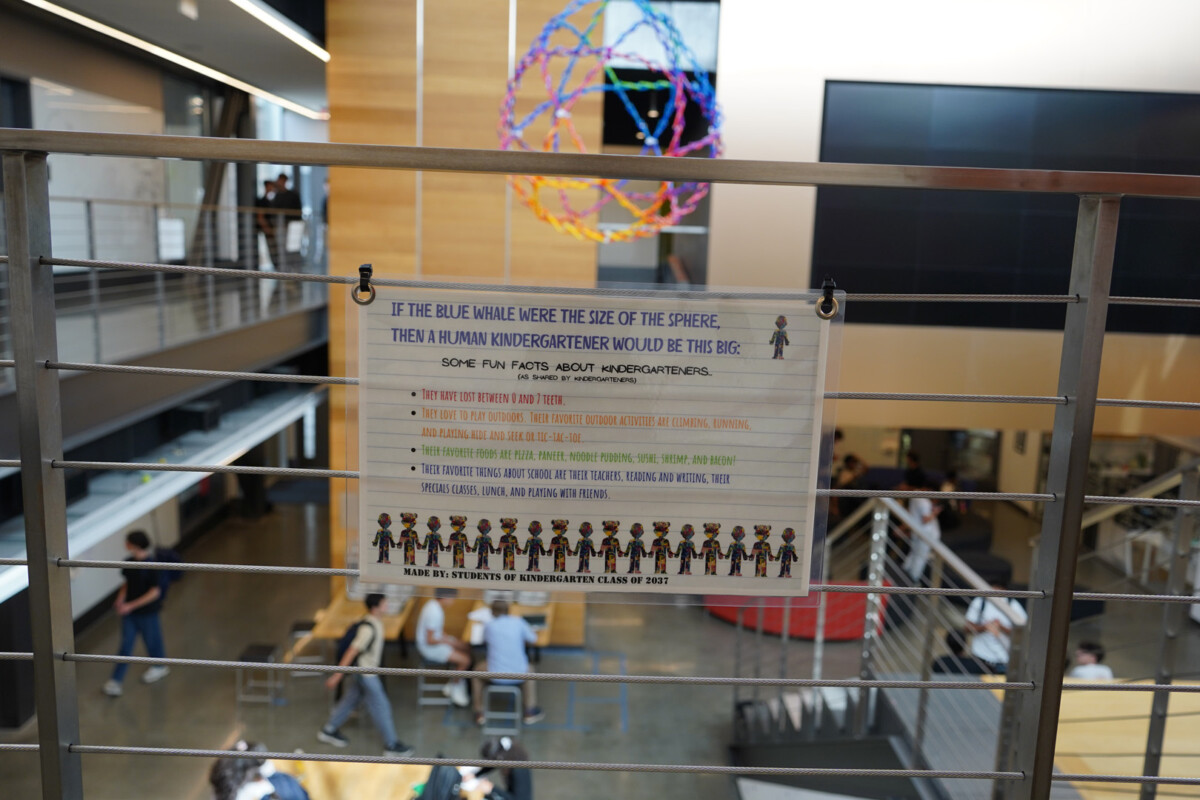
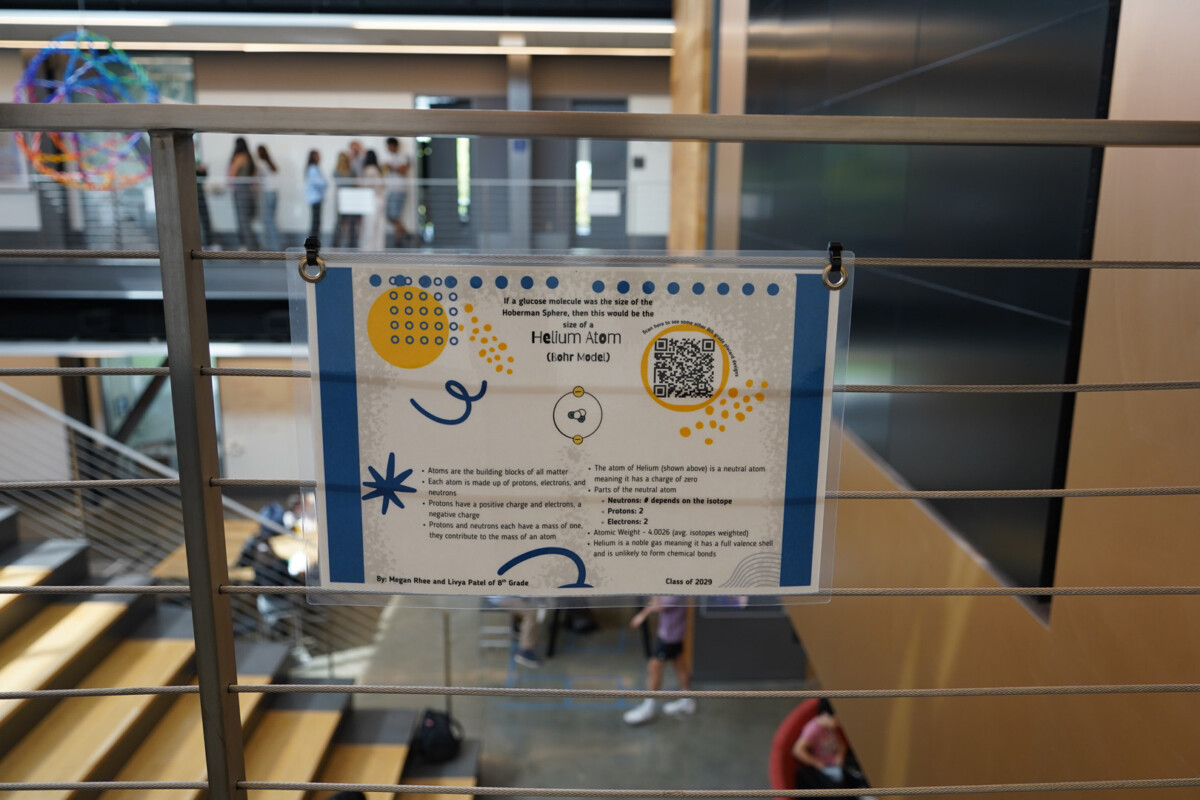
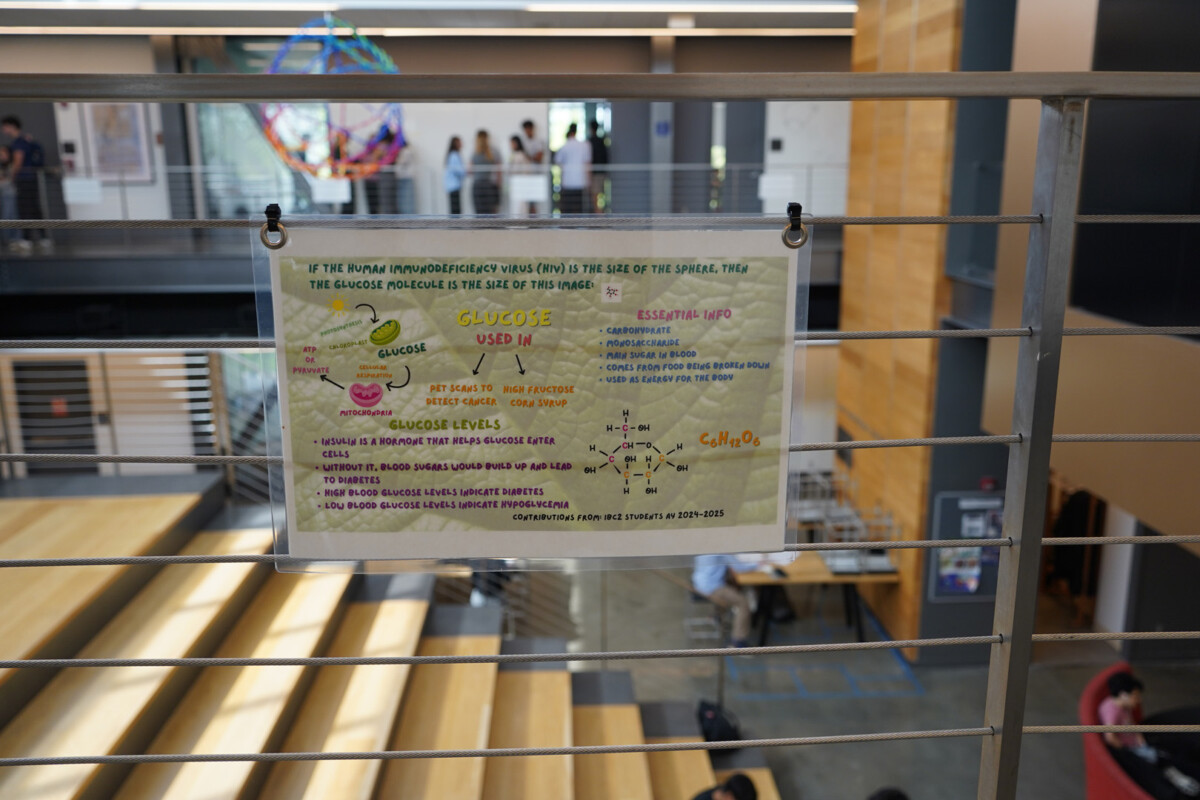
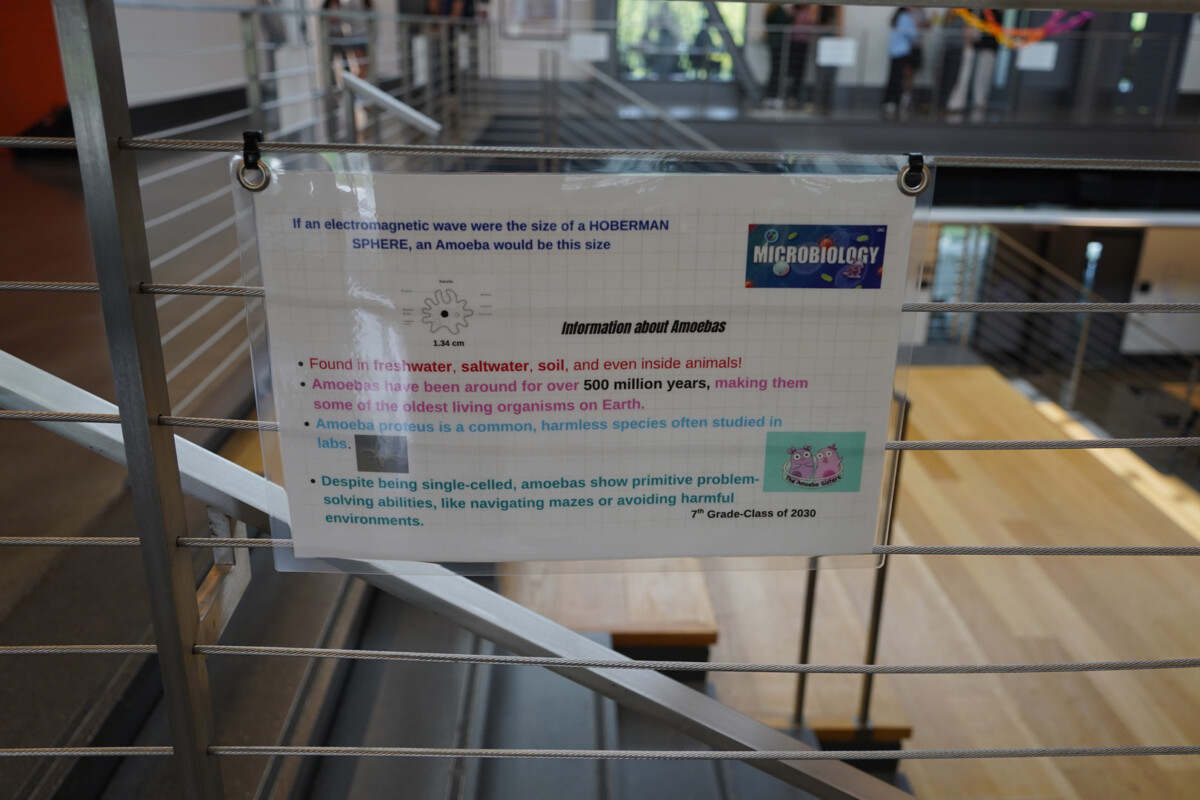
Over the course of last year, the Science Department initiated a “Scales of the Universe” project designed to be a permanent exhibit in the STEM Building. “The whole idea of the project was to [involve] all students in the school and to give a sense of the sizes of things in the universe—from the tiniest subatomic particles to the largest cosmological bodies,” explained Ms. Weinstein.
Science students at each grade level, from Kindergarten through US Physics, participated in the project. “We started with kindergartners, who compared the size of this Hoberman sphere that’s hanging to their own size,” said Ms. Weinstein. “And it started to get more and more abstract as we went through to some of the older students.”
Teachers of each grade level had the flexibility to incorporate the project as they saw fit into their class, so some chose to do group activities to create the text and images on the placards, while others gave it as individual assignments or made it into a contest. “The end result can best be seen by moving from left to right, with each placard referencing both the Hoberman sphere that is suspended over the atrium and the placard that came immediately before,” noted Ms. Weinstein.
The Science Department curriculum also presents many opportunities for students in the Lower School (LS), Middle School (MS), and the US to engage in their units of study with hands-on approaches.
For example, PreK classes learn about magnets through an interactive lesson for which they go around campus and test which objects a magnet will attract. By the 4th and 5th Grades, Robotics and other STEM programming have been presented.
“It really helps them to see how small we are in the universe and also helps them to see how complex our body and life is,”
“It really helps them to see how small we are in the universe and also helps them to see how complex our body and life is,” remarked Ms. Yi Li, P’37, P’39 LS STEM Teacher, who added that in the Lower School, activities are intentionally designed for students to explore, make observations, and identify patterns themselves before science concepts are formally introduced.
“I’m hoping that those moments will help [students] to create a sense of wonder,” said Ms. Li.
Once students reach Middle School, they prepare for projects such as the 6th Grade Experimental Design Fair, which takes place in May and tasks students with asking meaningful scientific questions, making predictions, and testing hypotheses on topics of their choice.
Ms. Kara Makohon-Moore, 6th Grade Science Teacher, said it’s important to bring in big concepts, such as the solar system, to use models, and to let students know why we use these tools to broaden their knowledge. “It is really important to me that students really foster [a desire to ask] questions [and be] curious about the world,” said Ms Makohon-Moore.
MultiDisciplinary Opportunities
“Science can fall within any of the disciplines as long as it’s carefully crafted to have students use what they’re learning in science to question what’s going on in any of the other disciplines, and apply their scientific thinking in those spaces,” said Mr. Joshua De Los Santos, 7th Grade Math/Science Teacher.
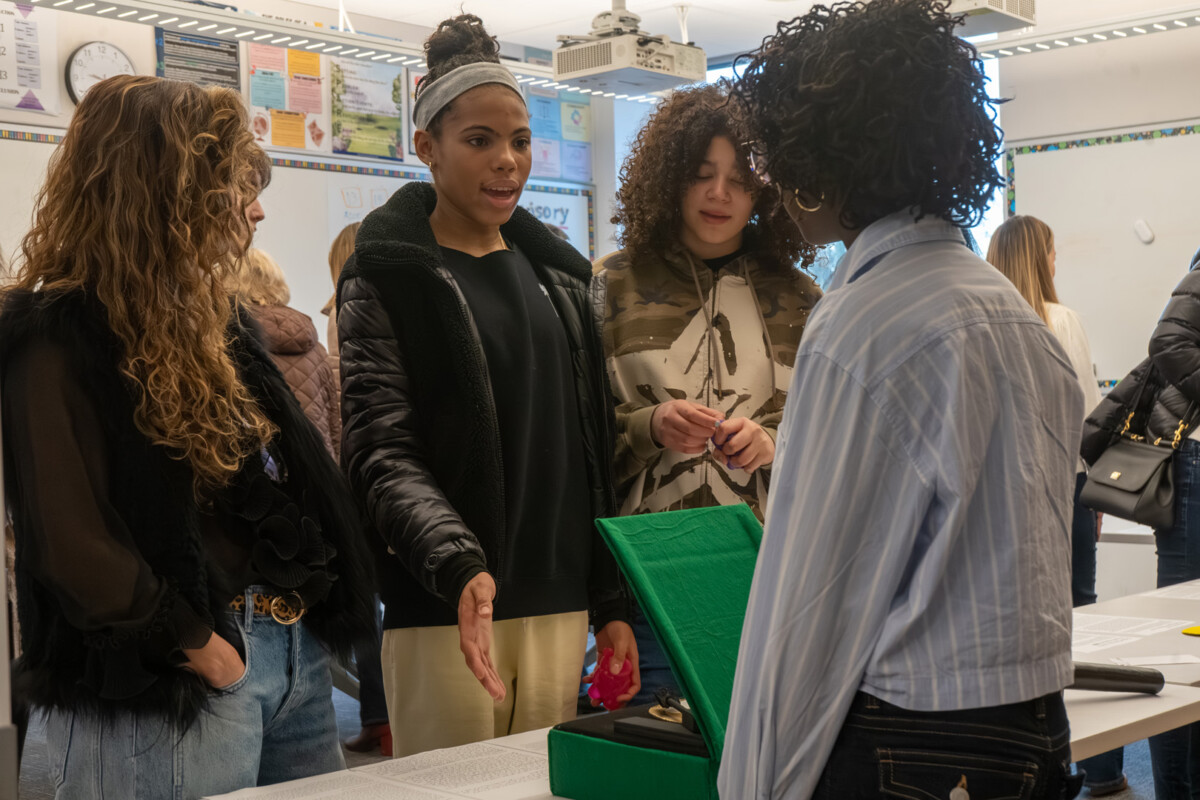
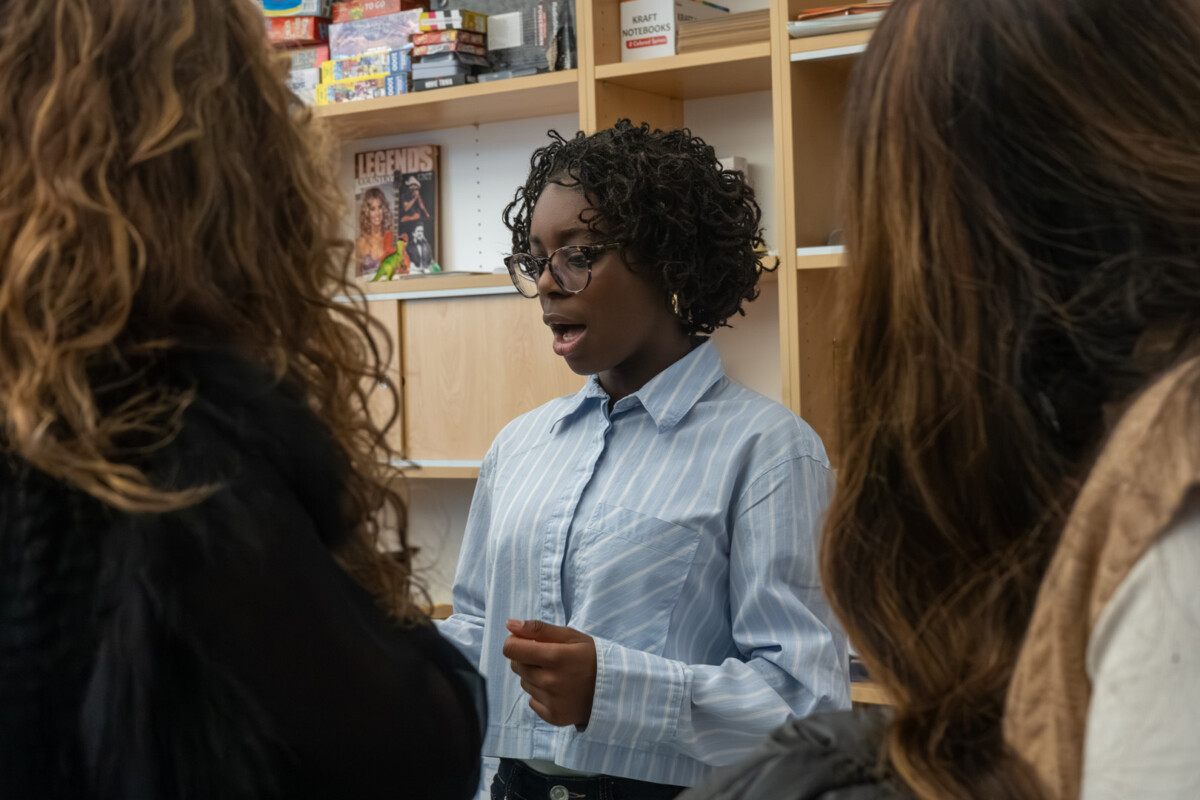
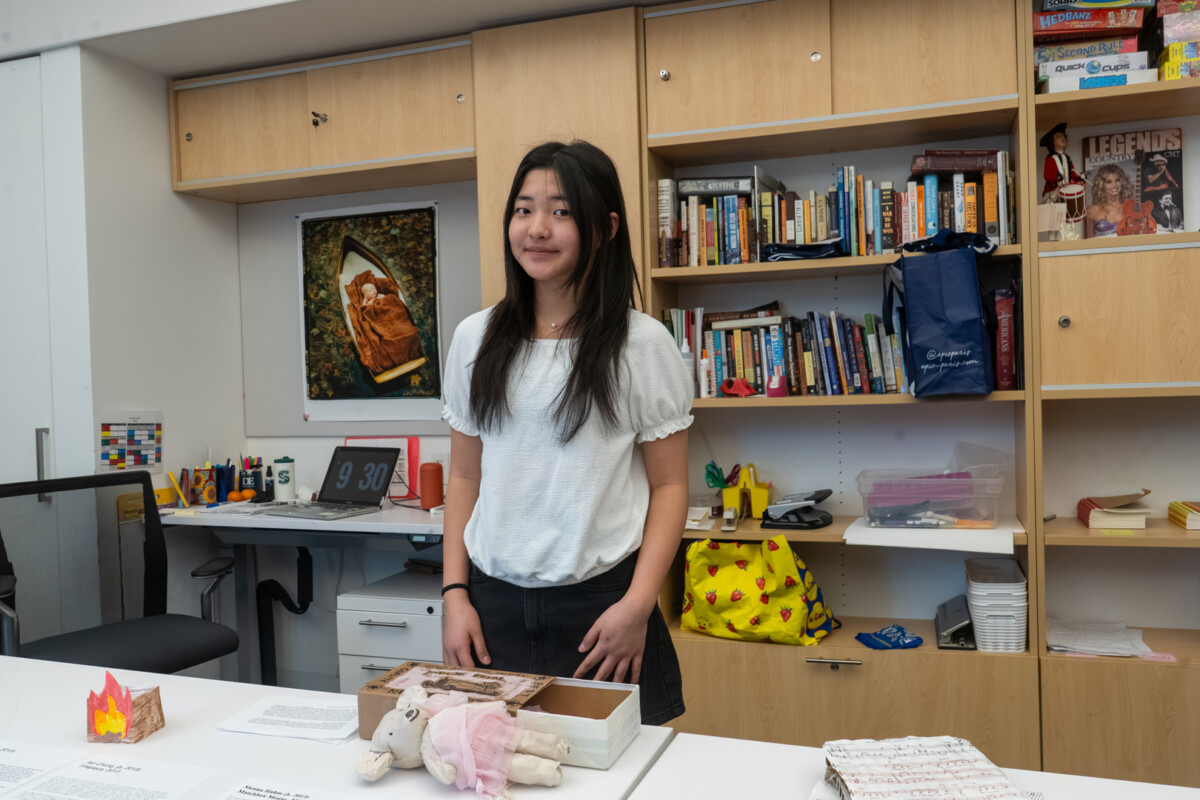
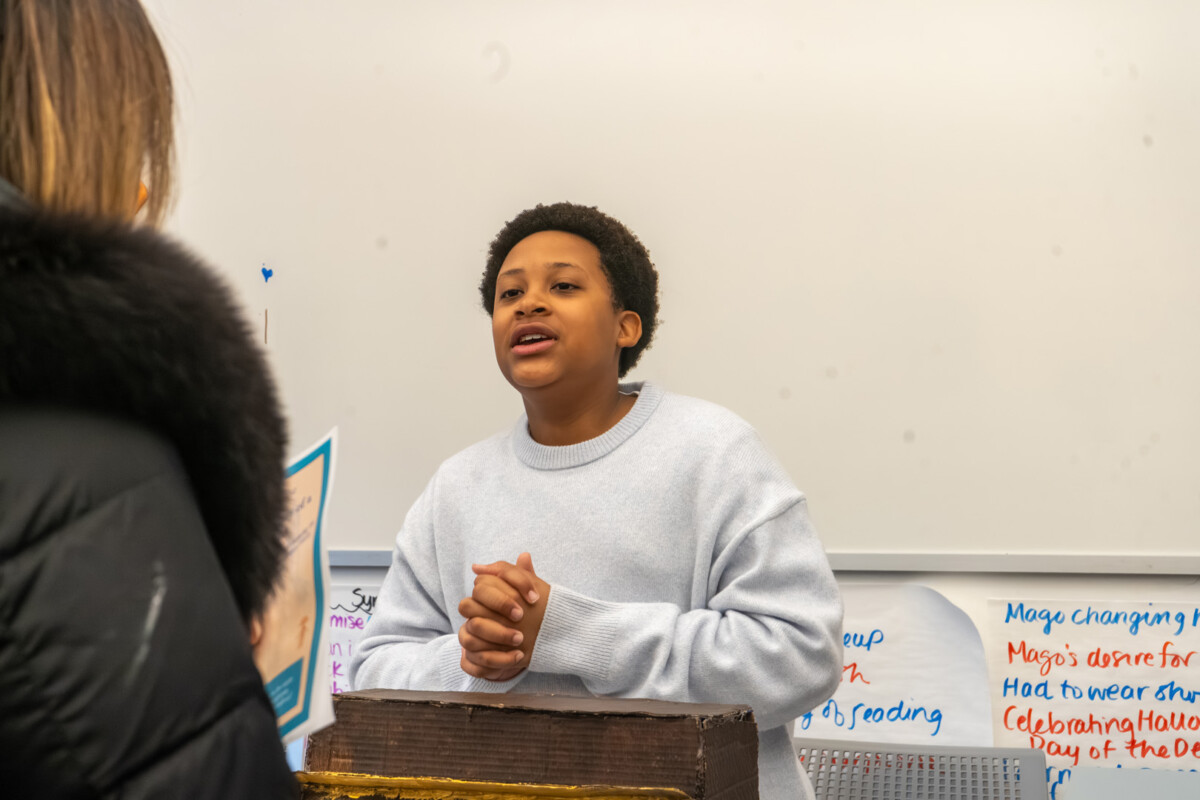
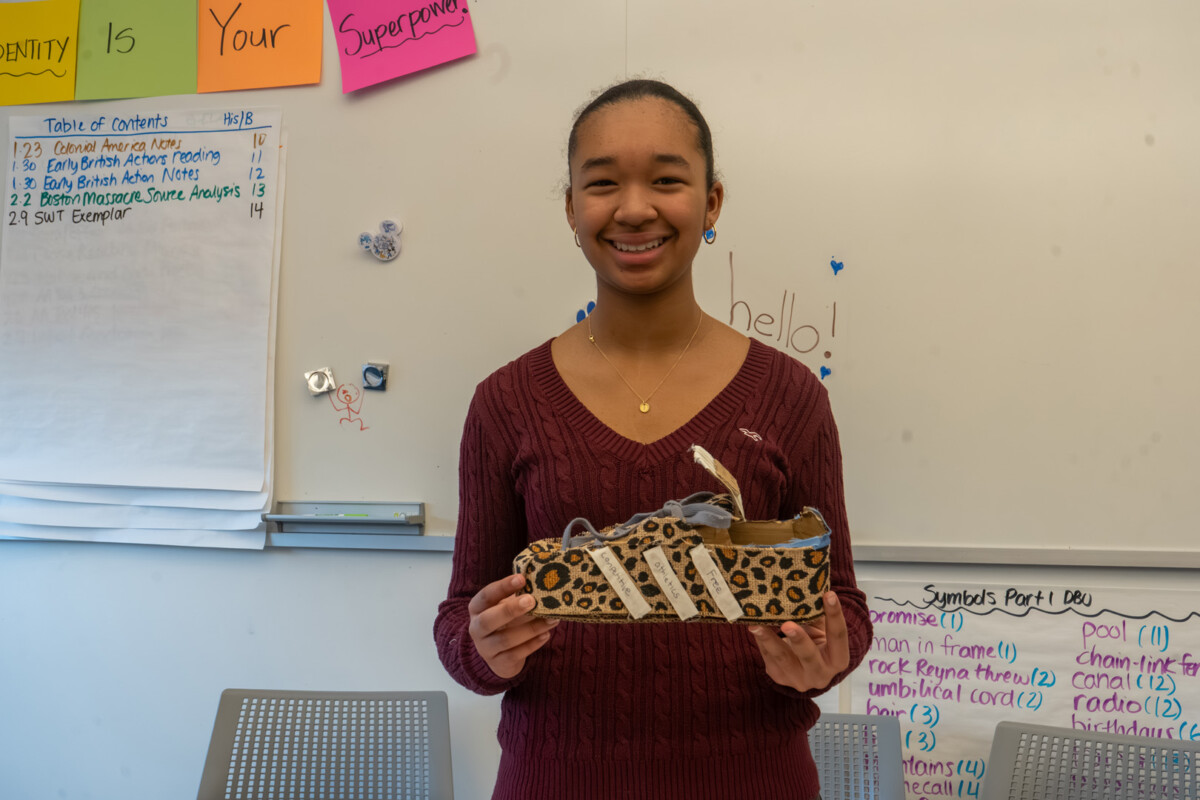
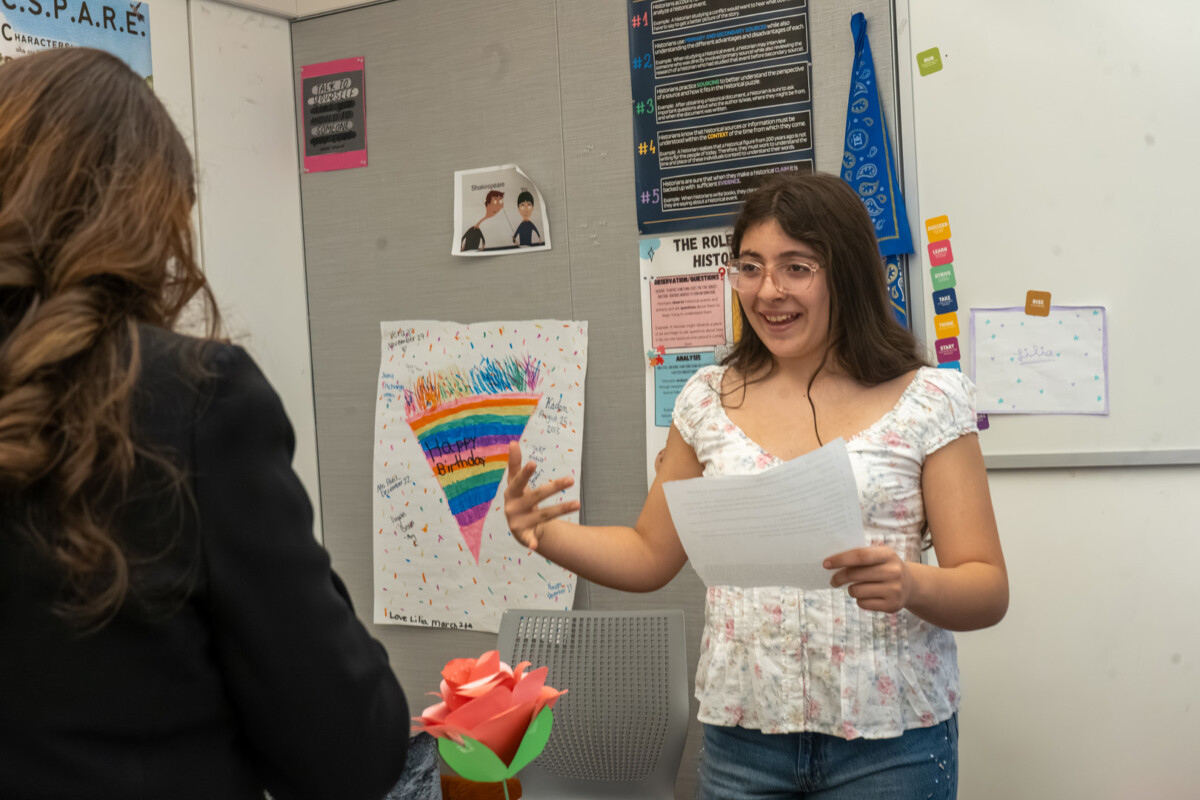
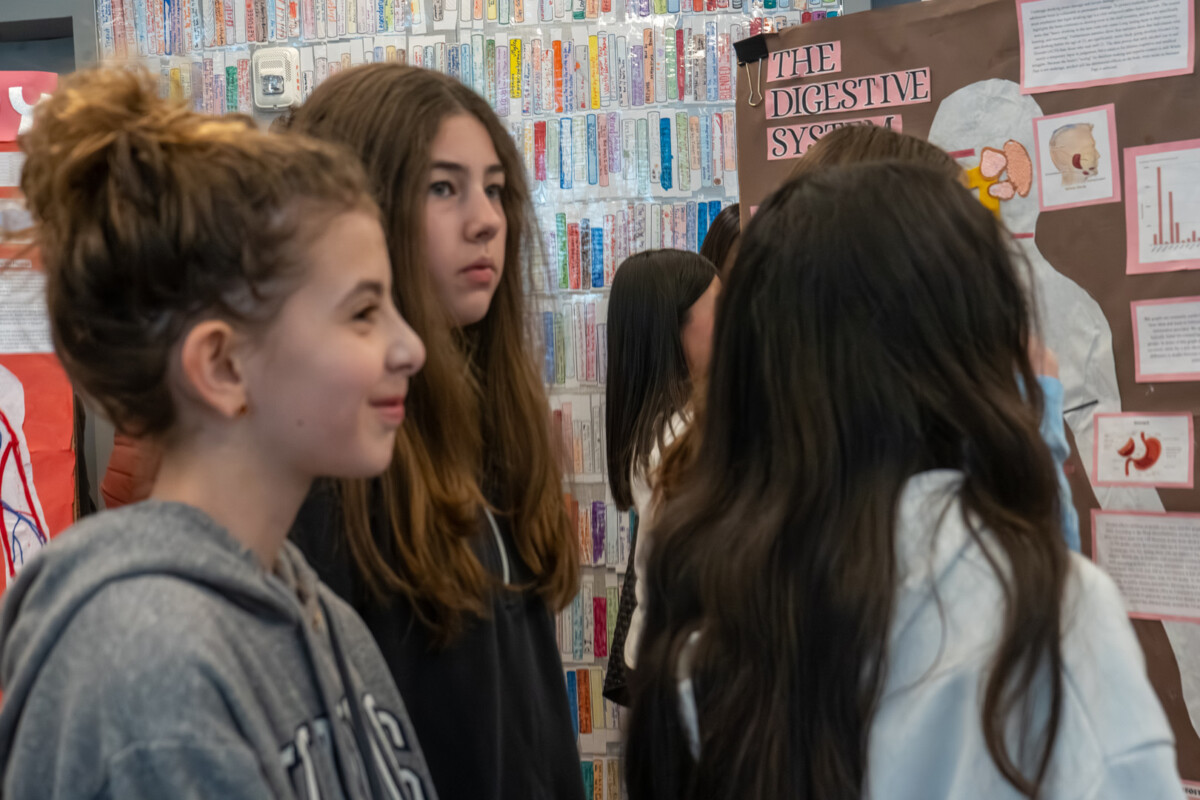
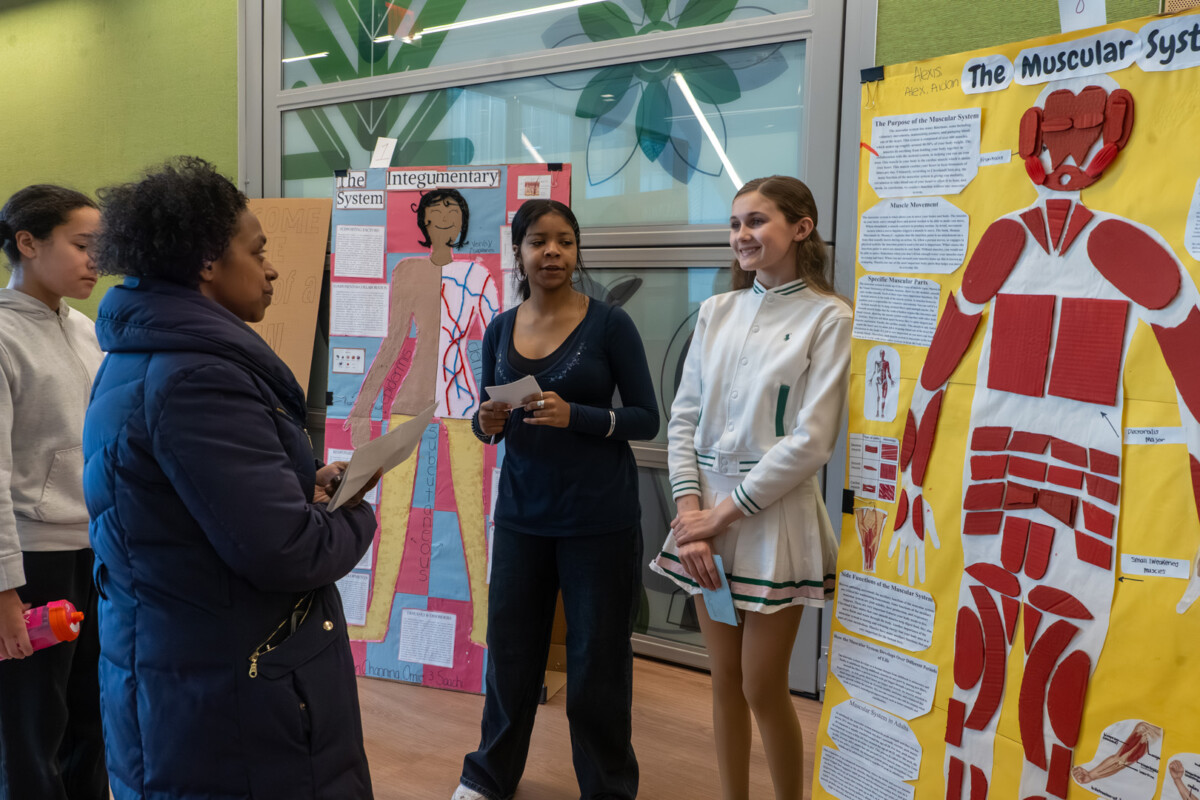
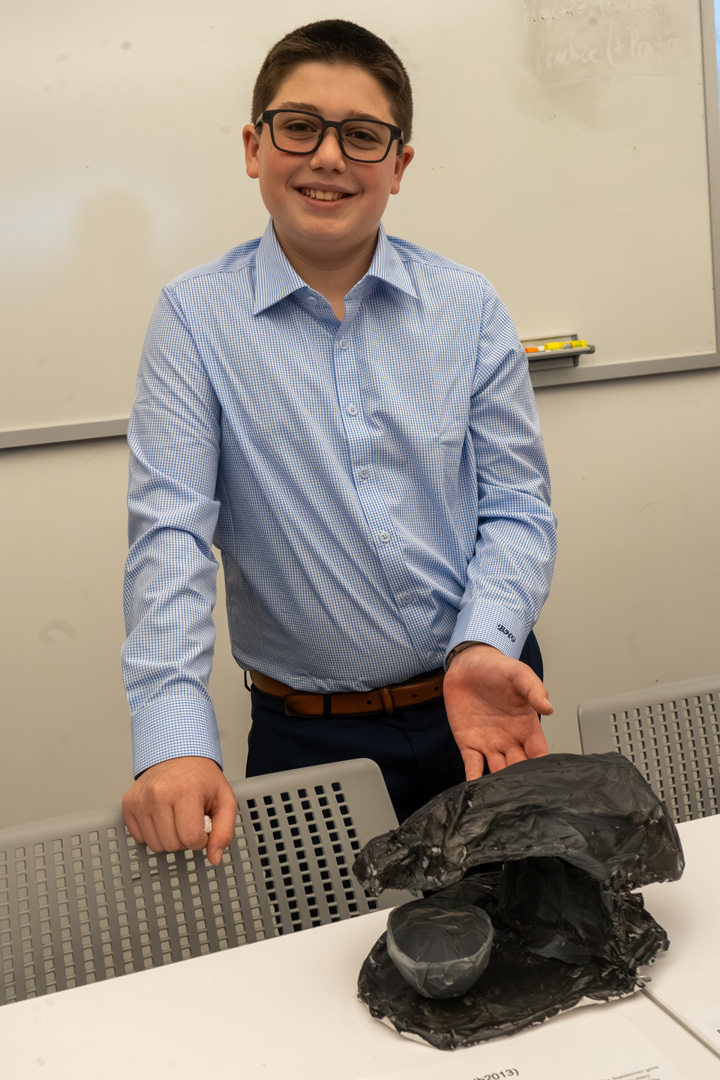
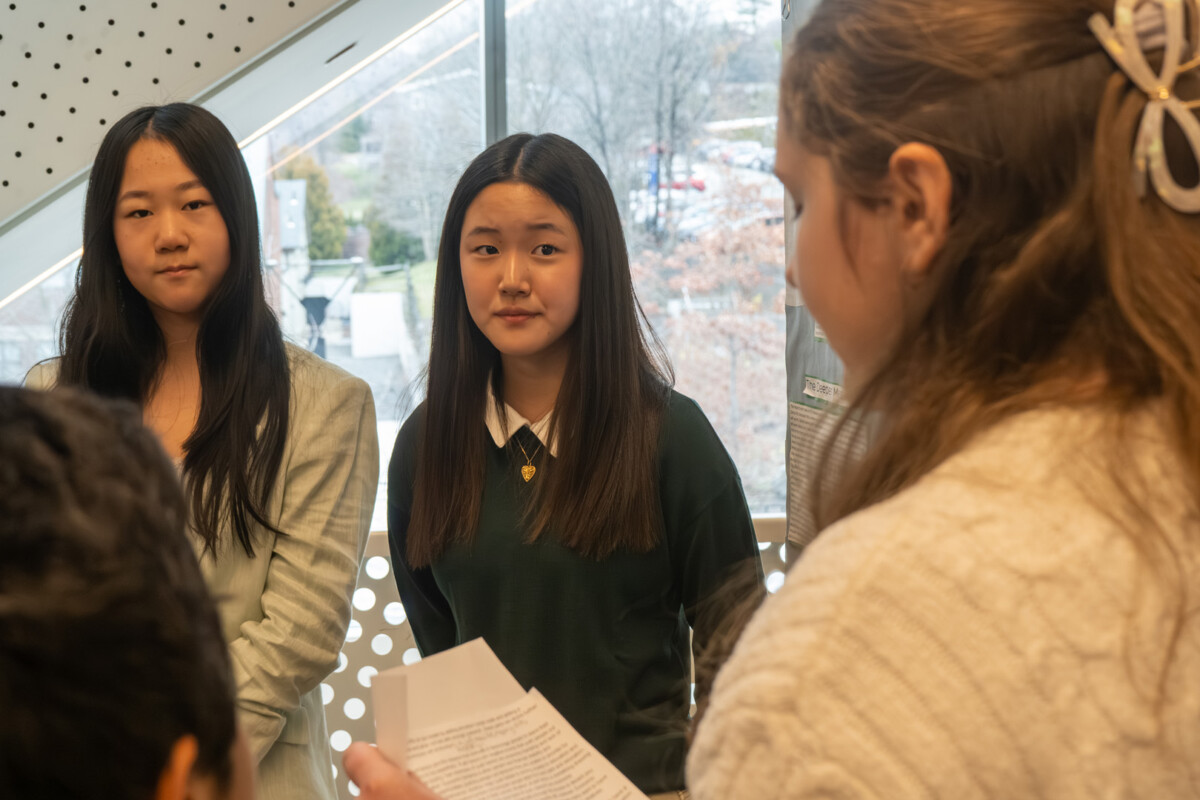
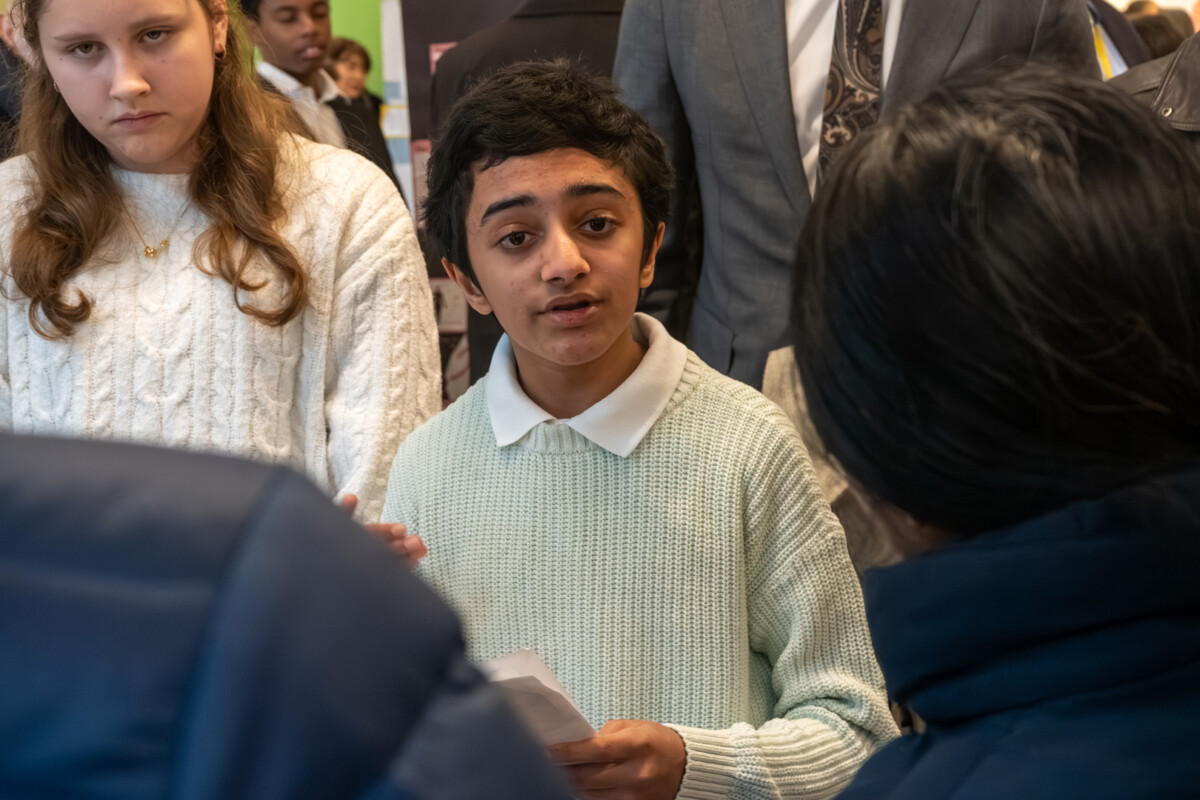
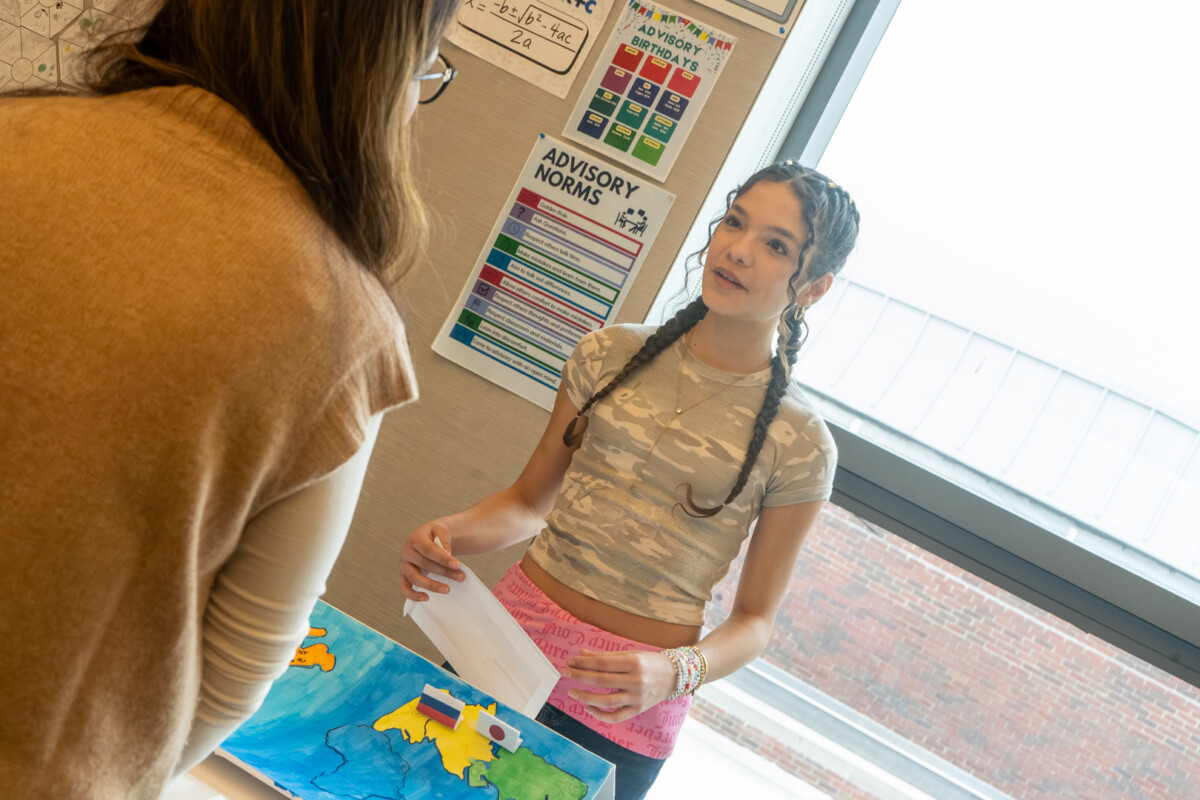
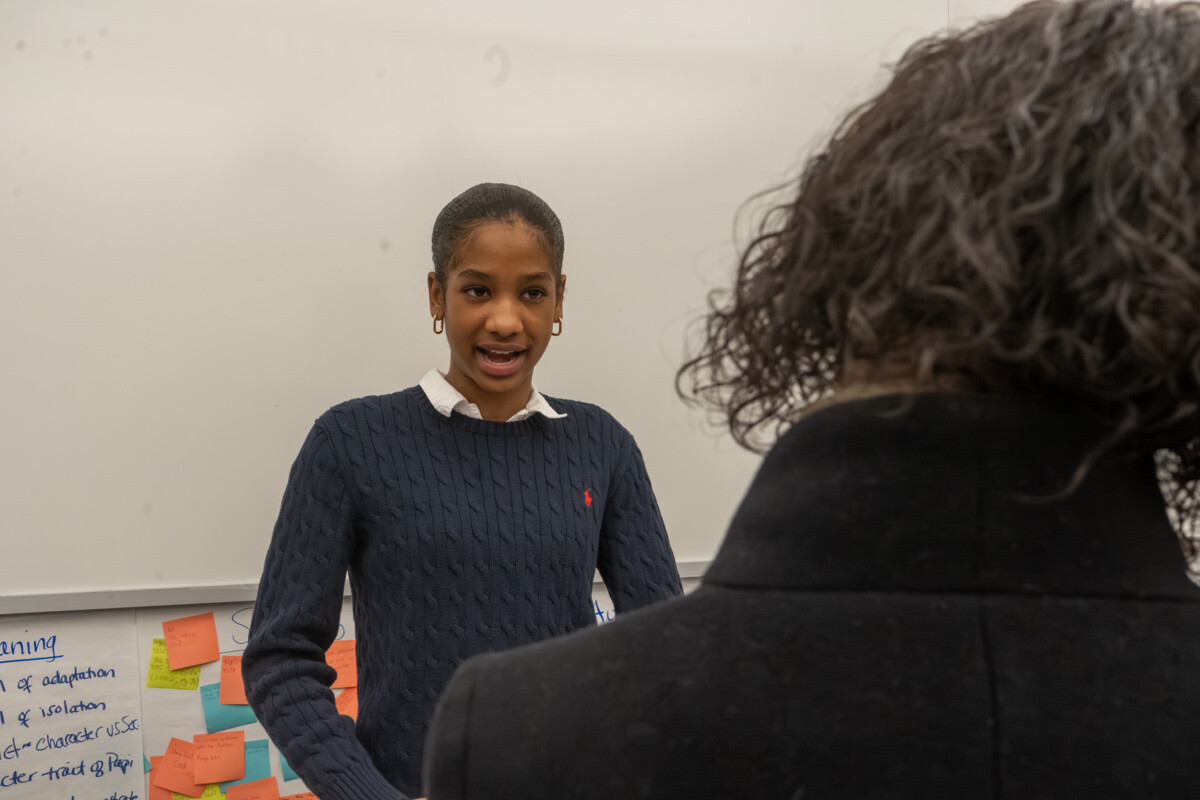
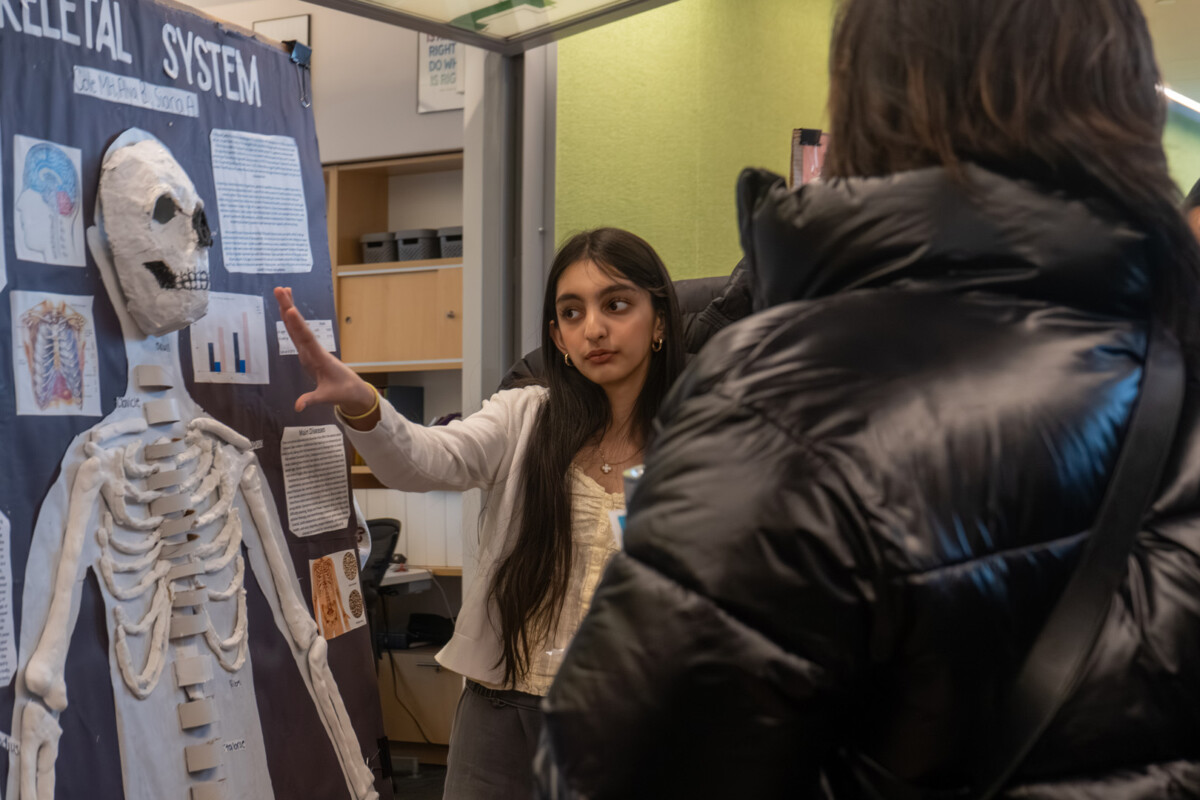
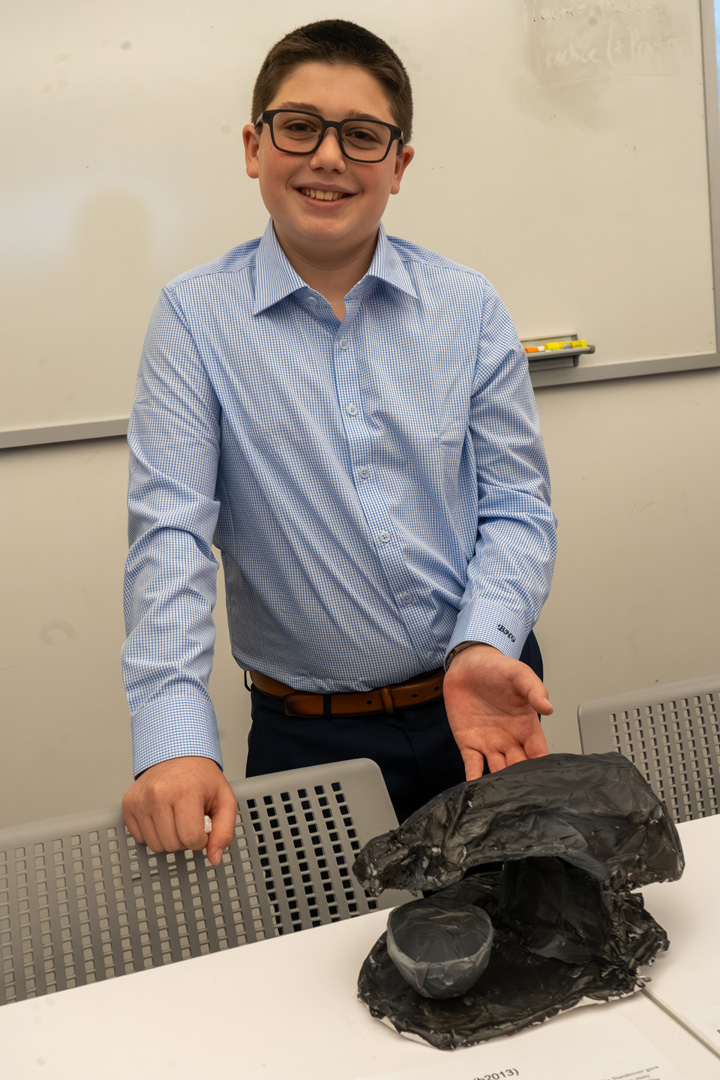
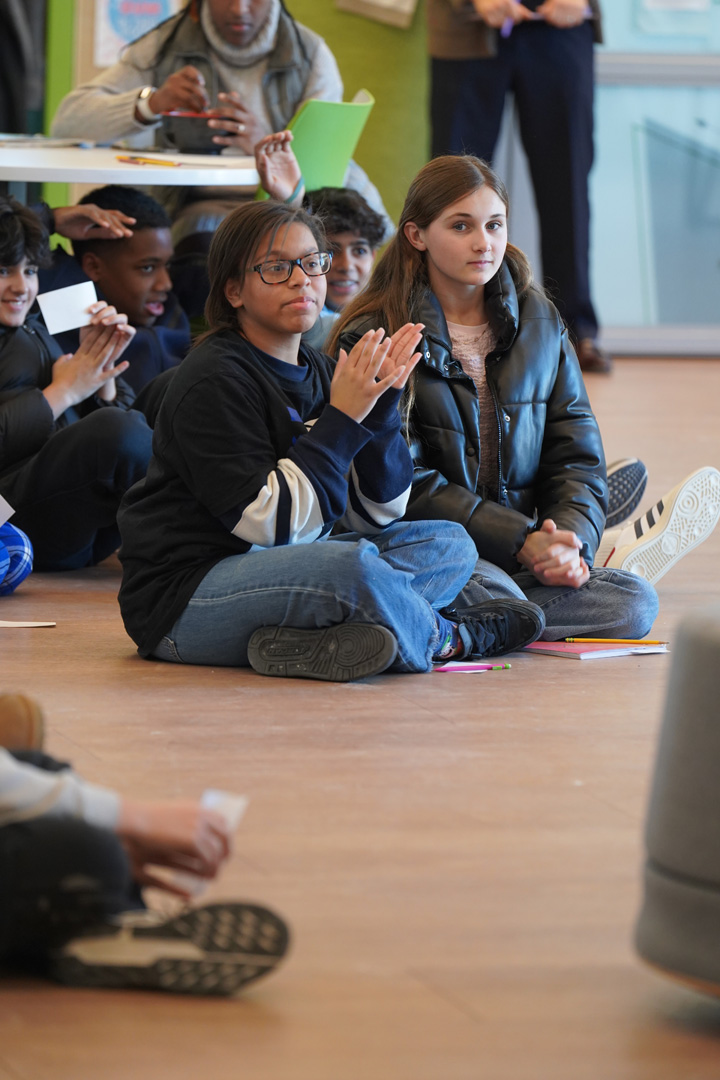
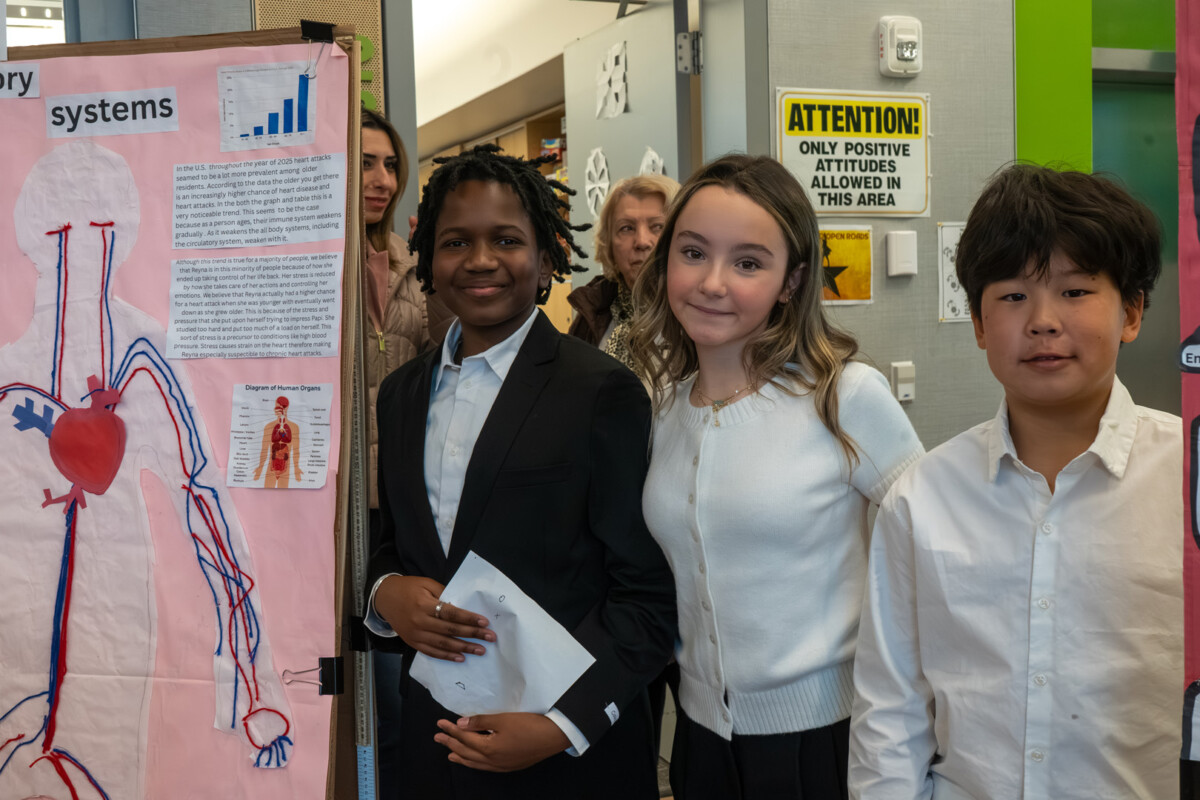
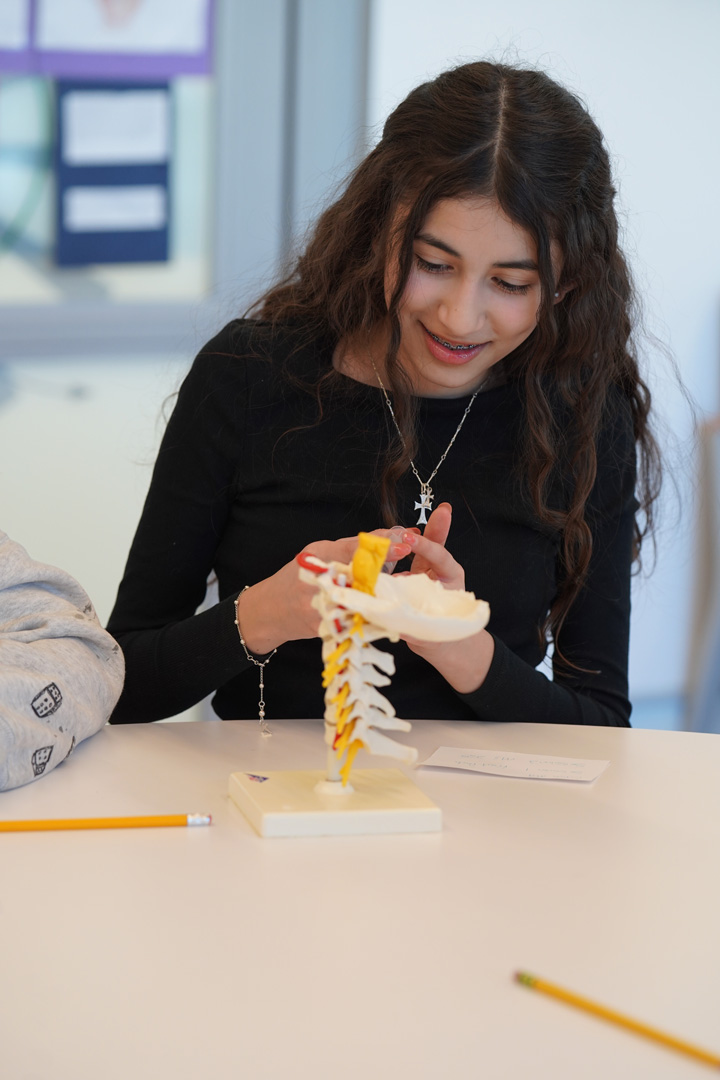
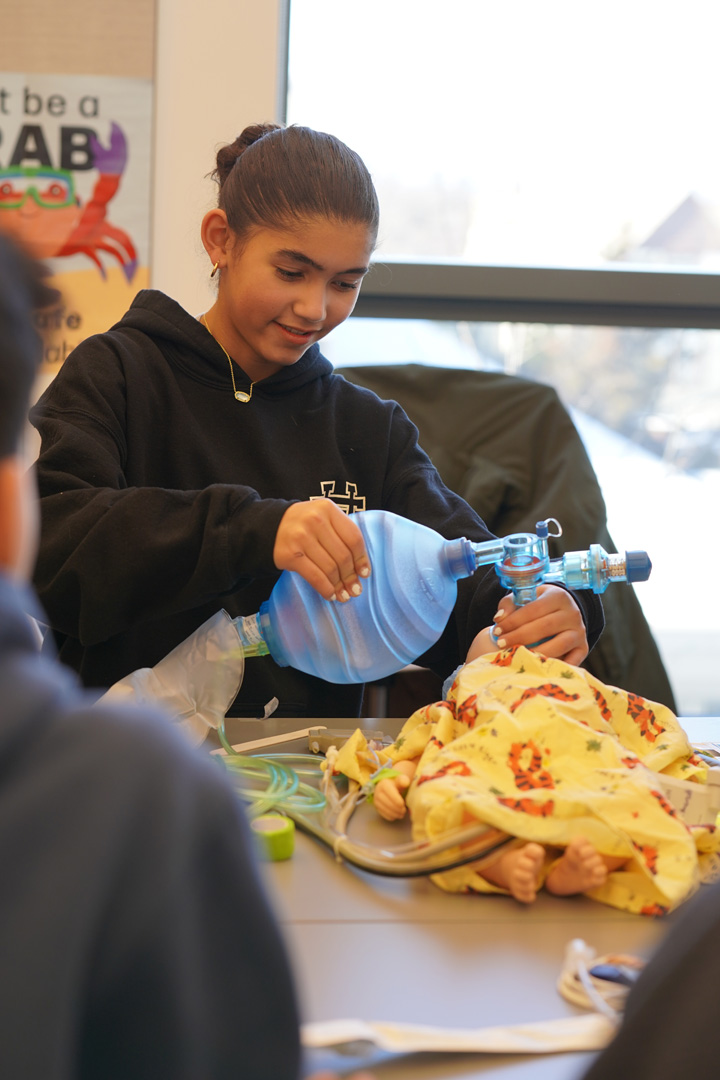
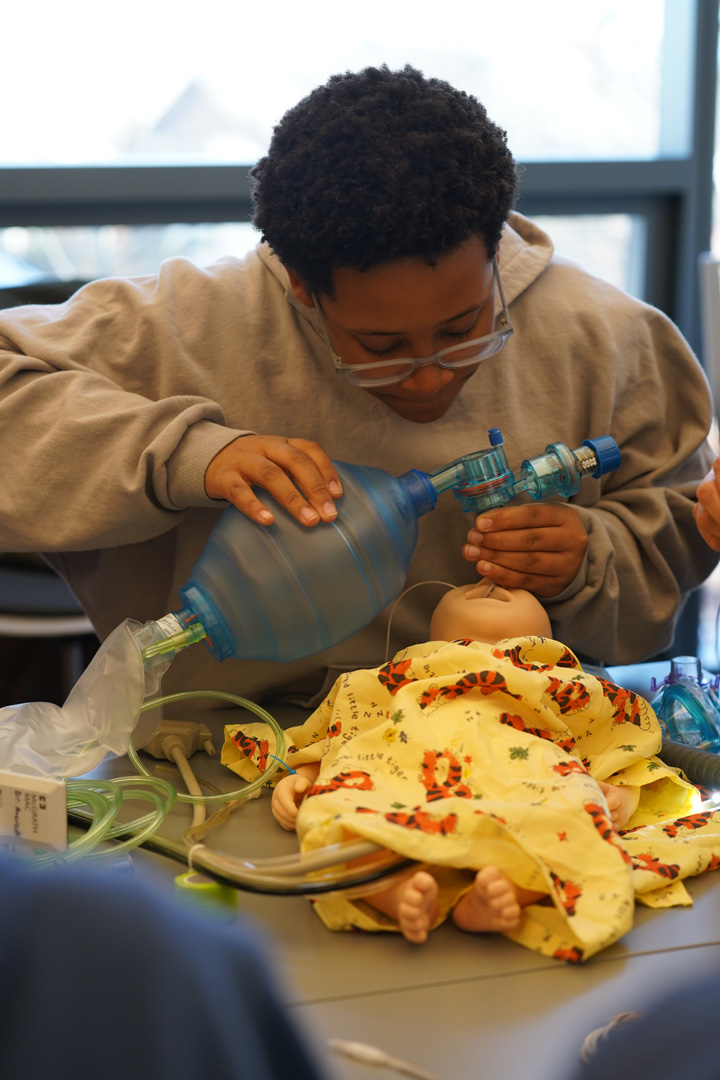
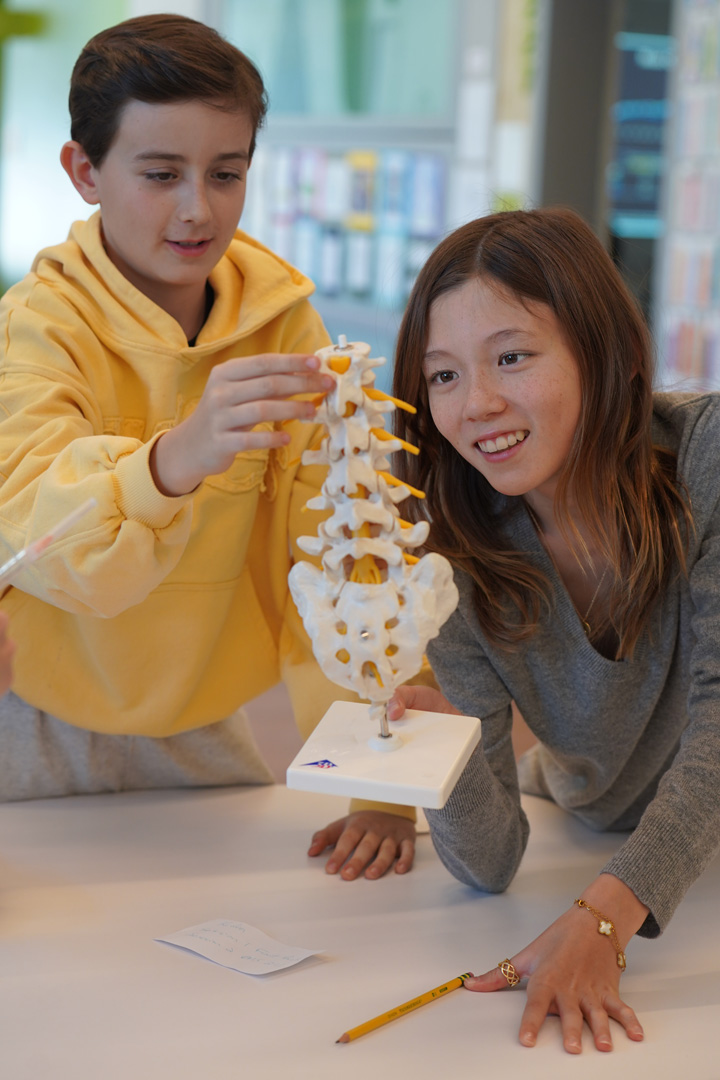
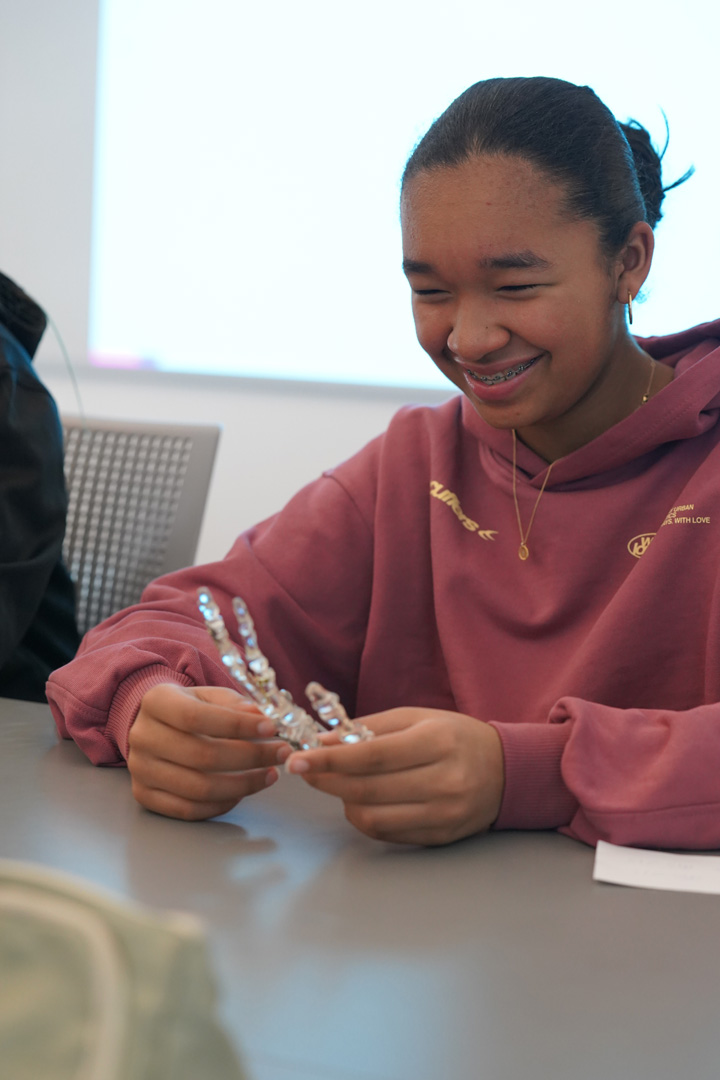
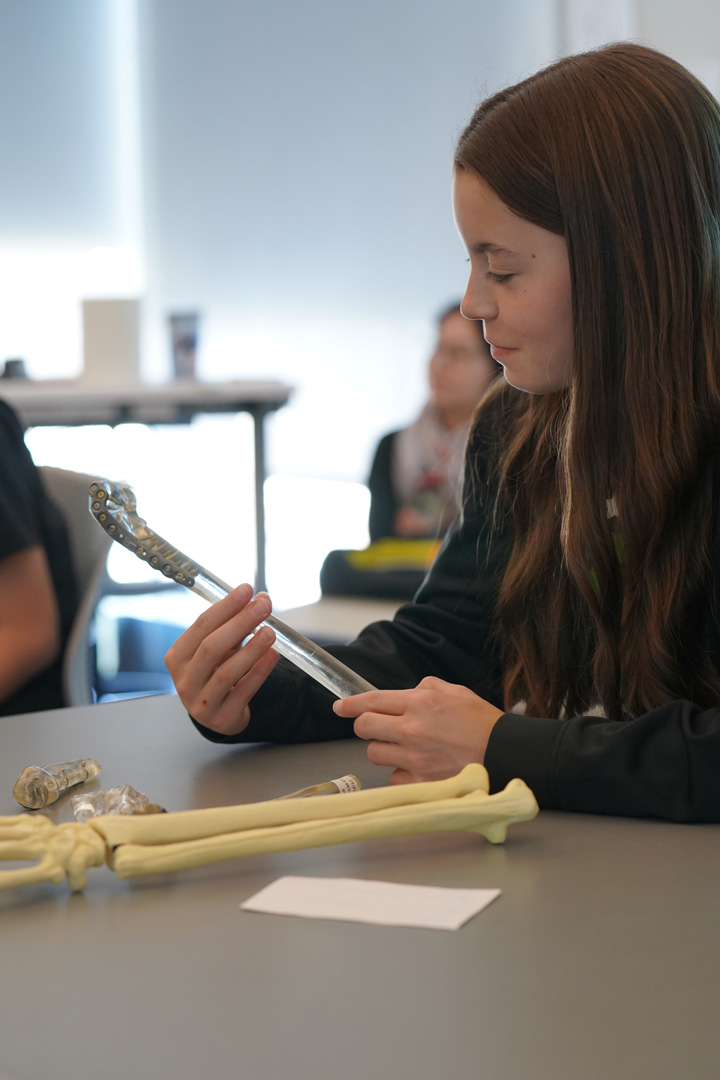
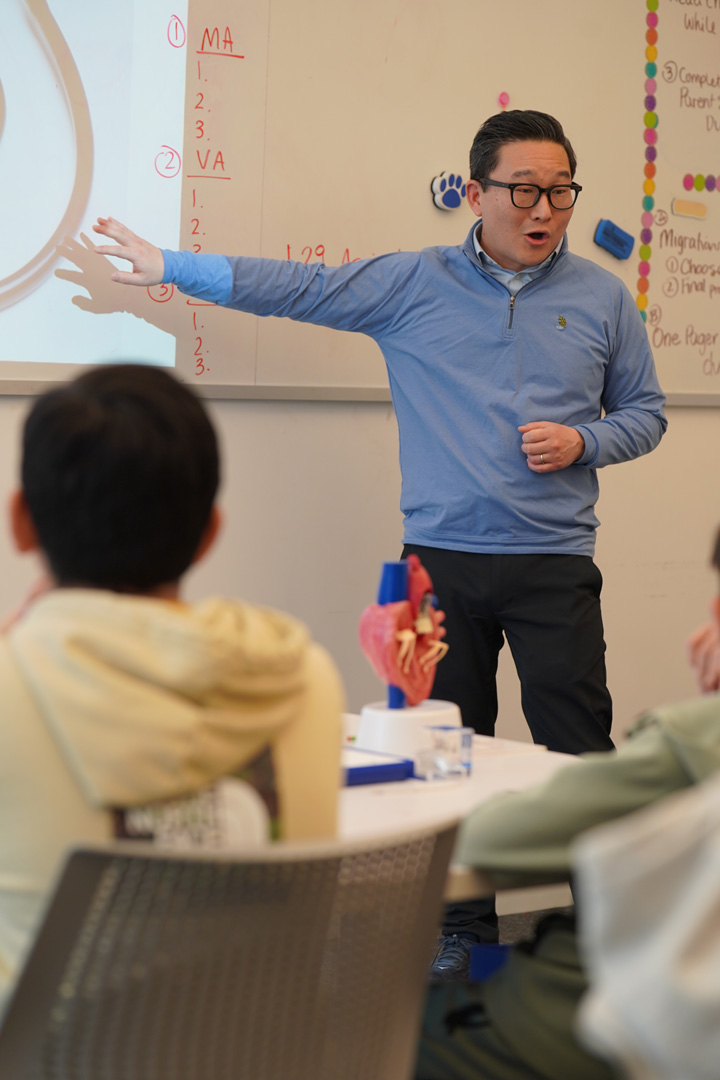
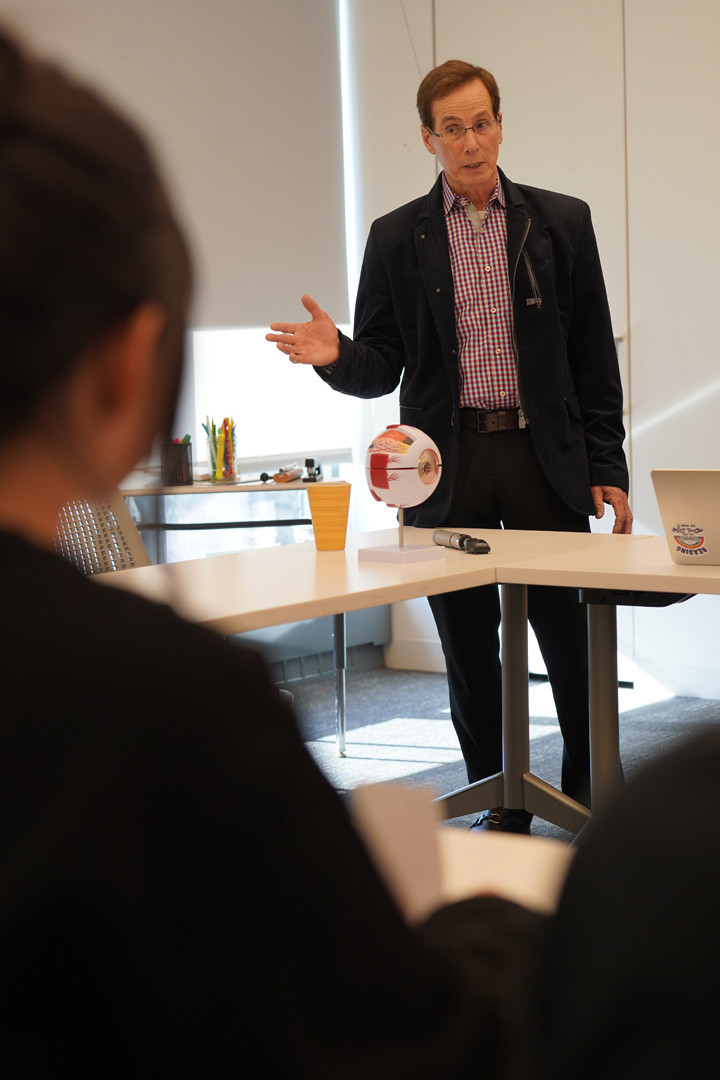
For example, a capstone project for 7th graders is the Anatomy of a Human project, which involves students’ MESH (Math, English, Science, and History) classes and includes an opportunity for students to meet with working medical professionals to inquire about their specialities. The unit culminates with an exhibit, where students present their body system diagrams, based on characters they’ve read about in a related literary text.
They’re applying science lessons regarding cells and systems and environmental impacts on those systems, explained Mr. De Los Santos. “And they’re able to infer those details and make predictions based on what they’ve learned in science class as to how the bodies of those characters [they learned about in English class] would be impacted,” he said.
“We’re really empowering students to learn how to question things and how to experiment, to break out of their typical understandings of what things are,” said Mr. De Los Santos.
Innovation In Action
The Science curriculum at D-E is designed so that lessons follow a seamless progression from Lower School to Upper School.
“Sometimes something that a student starts learning about in 1st Grade, they revisit those concepts again in 5th Grade, and then they revisit it again in 8th Grade, and then again in 10th Grade,” said Ms. Weinstein. “And so every time they come back to it, because students are developing their understanding, they’re building more context, they’re able to apply more math to it, and they’re able to apply more specific language.”
“So we really want to make sure that students see themselves reflected in the curriculum, and also see whatever they are interested in connecting to science,” said Ms. Weinstein.
A noteworthy program in the Upper School is our two-year Integrated Biology and Chemistry course for Grades 9 and 10, where students apply biology and chemistry concepts to a variety of environmental challenges. More advanced studies are available to juniors and seniors, in which they learn how to find solutions for the political, economic, and ethical aspects of sustainability.
When you think about life—whether in relation to the human body or someone who is sick—“that is never just a chemistry thing or just a biology thing,” acknowledged US Science Teacher Petra van’t Slot, who said she was drawn to D-E because of its innovative Biology and Chemistry program.
“[The integration of these areas of study] makes it so much easier to make it relatable to the students,” she said.
“I also teach a really cool chemistry class which I love to teach, and it’s called Acid-Base Chemistry,” said Ms. van’t Slot. “One of our topics is the chemistry of acids and bases in cooking and food preparation.” As part of this unit, students made kombucha, a fermented tea. “The students got to measure the ethanol percentage in their own kombucha,” said Ms. van’t Slot. “But all the percentages were low enough that we could have a little kombucha party—that was so much fun.”
“Some of them are going to go on to become scientists, and engineers… others are going to be lawyers, and others are going to be writers, and others are going to be artists,”
It all comes back to making science relevant to students. “Some of them are going to go on to become scientists, and engineers… others are going to be lawyers, and others are going to be writers, and others are going to be artists,” said Ms. Weinstein. “But all of them are still responsible for making sure that we are caring for our planet and for understanding the impact of their actions.”
Anatomy of a Human Consortium
Scales of the Universe
Anatomy of a Human Showcase