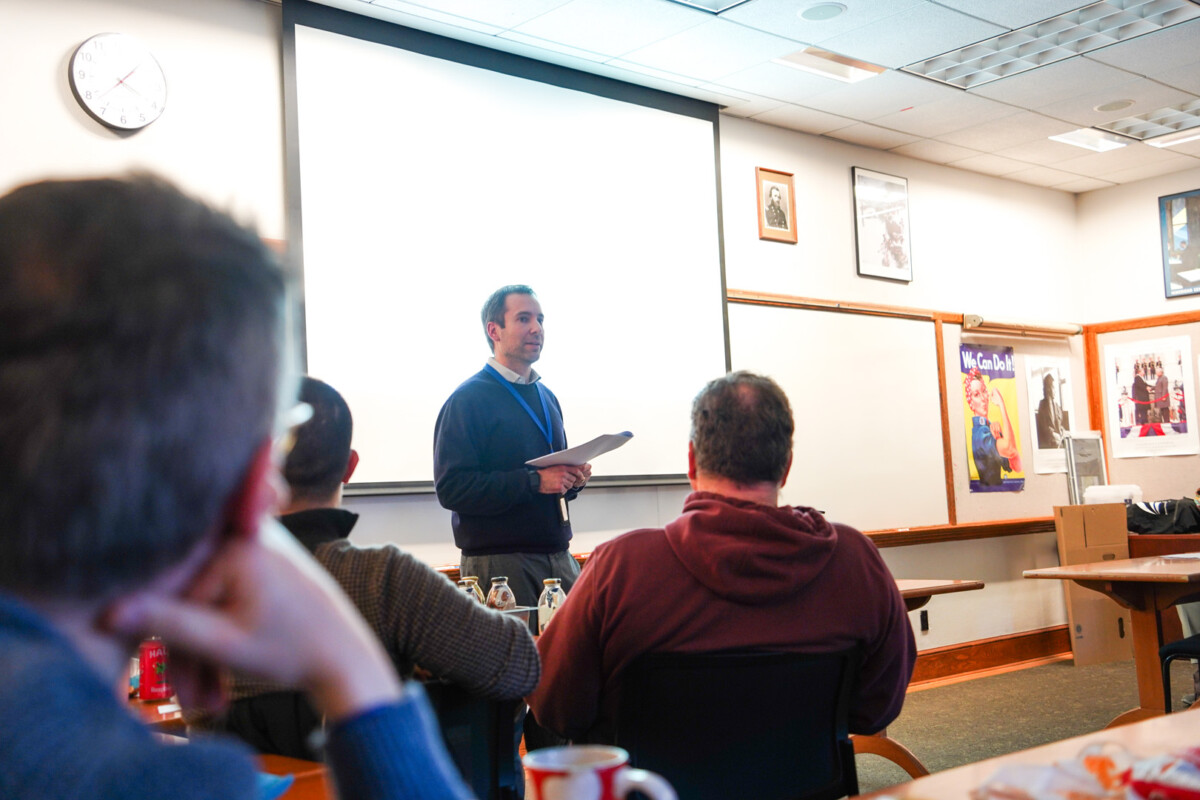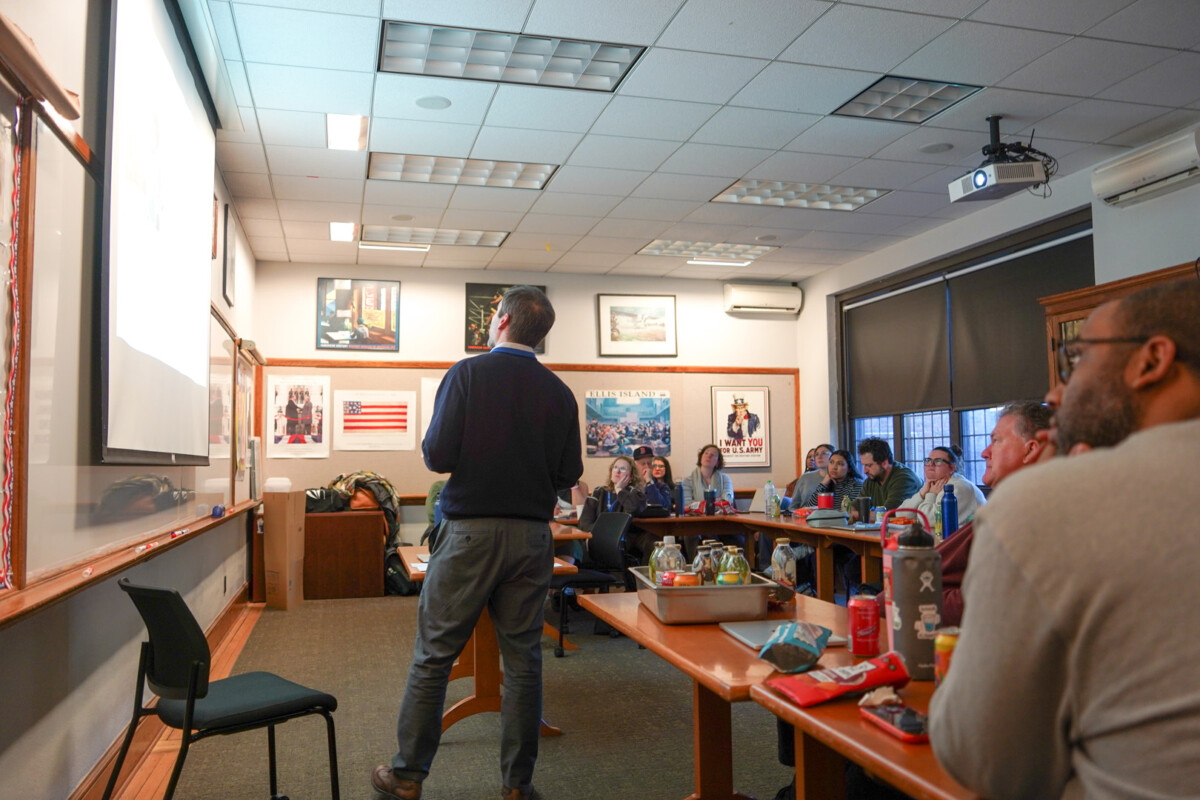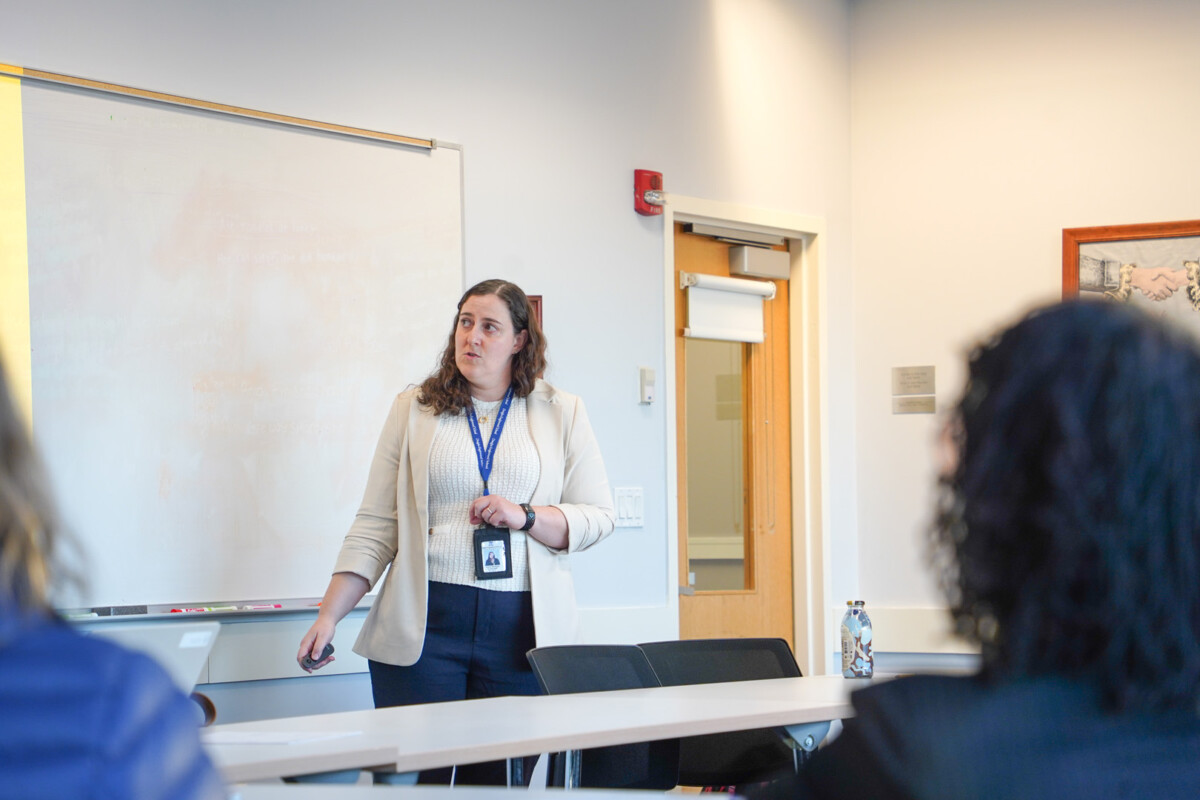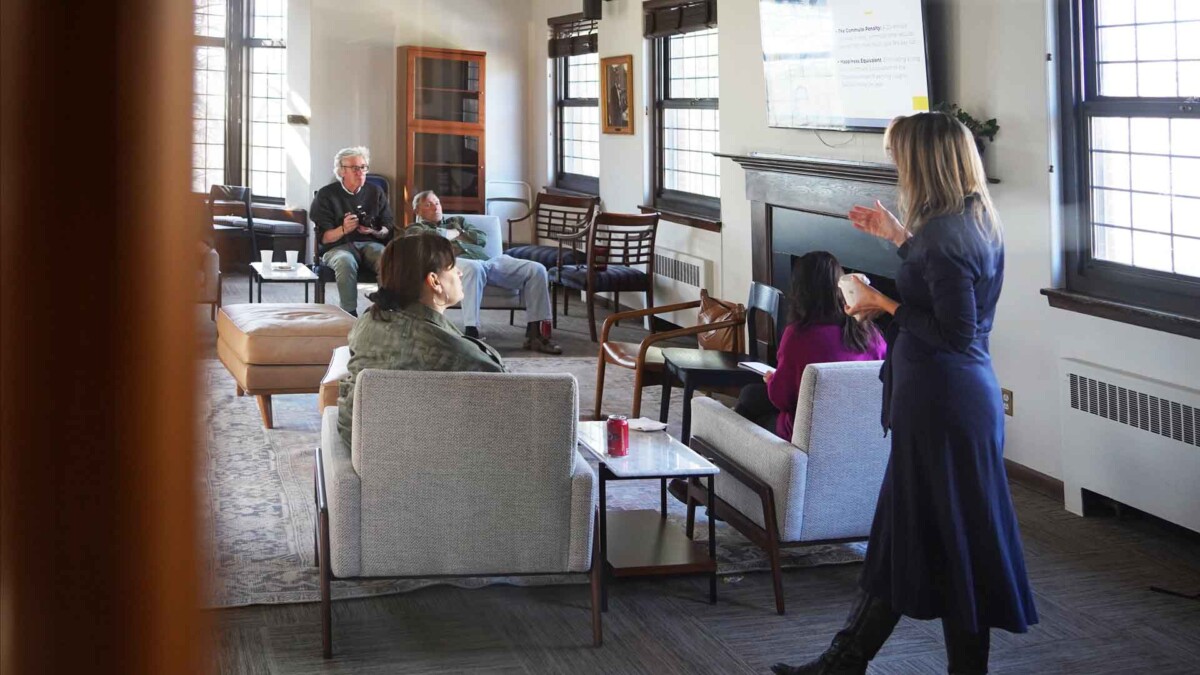

In December 2025, Associate Head of School Preeti Fibiger P’24 introduced a series of on-campus professional development (PD) opportunities for D-E faculty and staff, presented by D-E faculty and staff, starting in January and running through the spring.
Sessions included topics that are increasingly relevant in today’s world, such as using Artificial Intelligence (AI) in education, developing learning strategies that keep students engaged, and gaining insights from research in positive psychology.
“The genesis for this [initiative] is to re-focus teaching and learning and to center this notion of a ‘whole-souled citizen’ that is highlighted in the strategic plan,” said Ms. Fibiger.
The first day of PD opportunities in January included three sessions running concurrently.
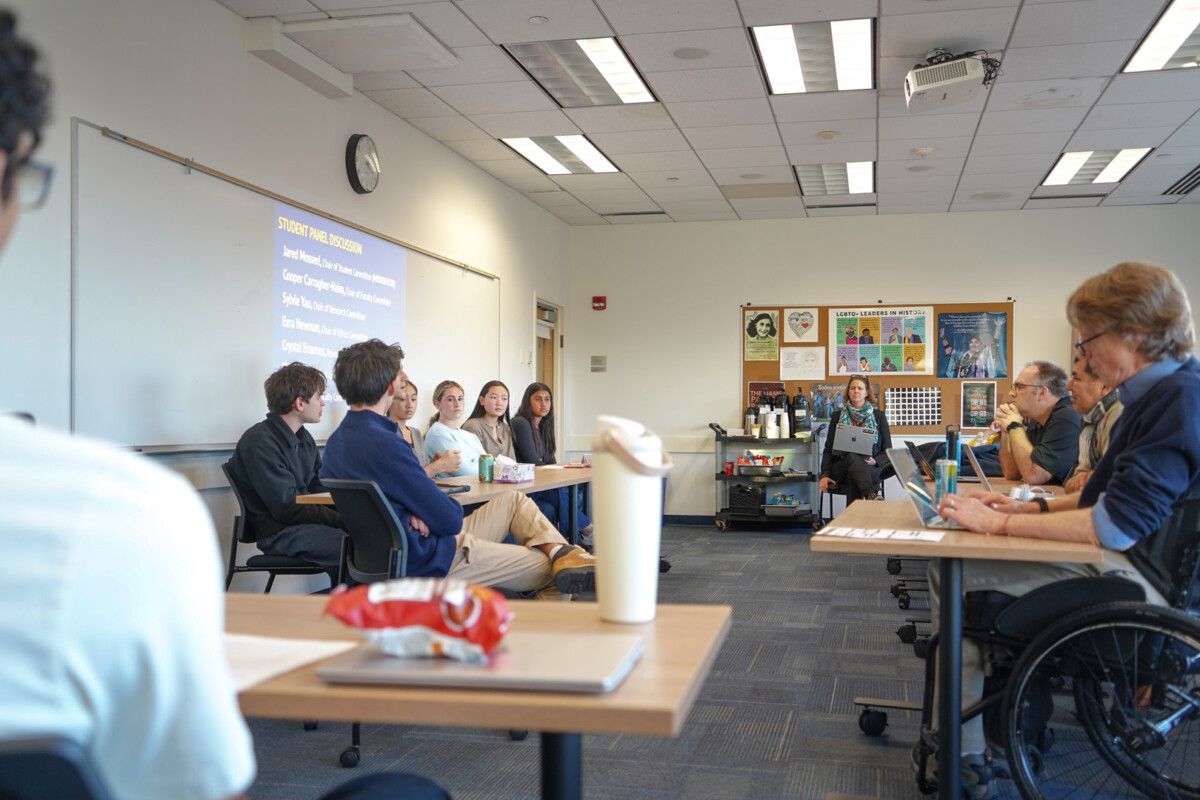
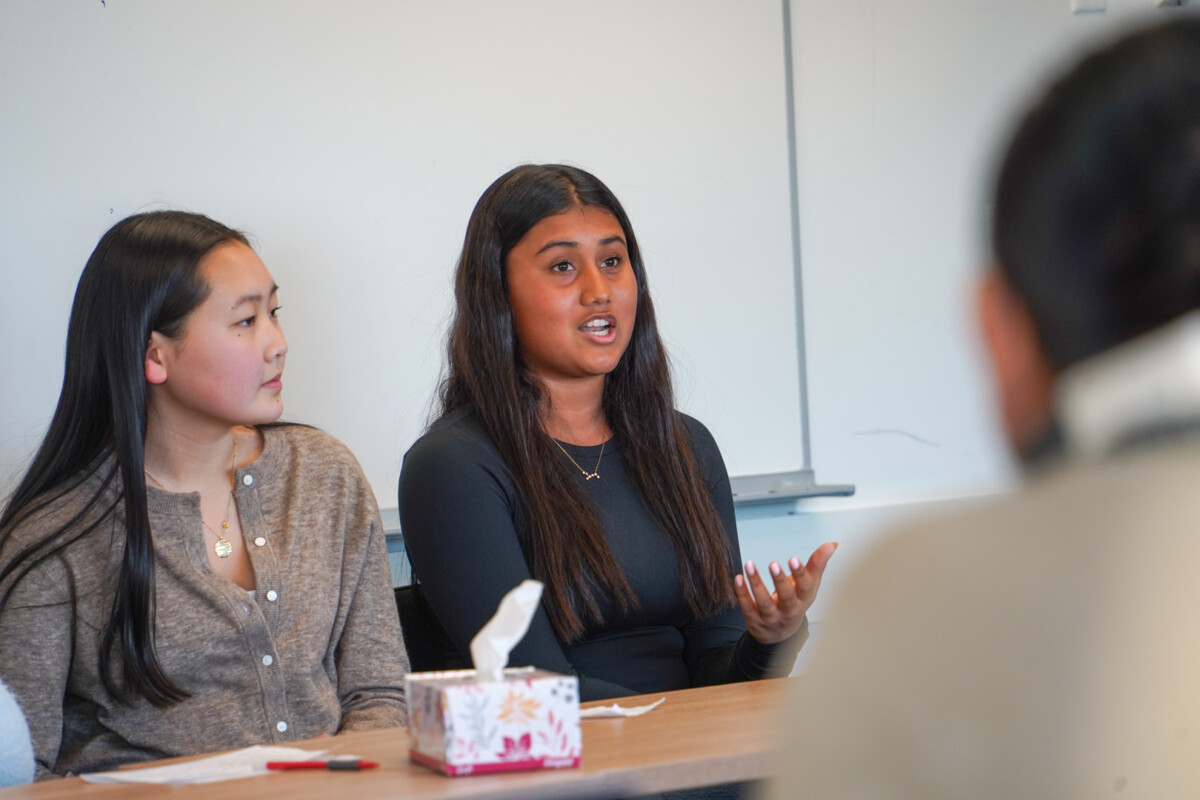
One was a workshop organized in part by the Upper School (US) Student Committee on Artificial Intelligence (SCAI), during which panelists discussed the evolving role of AI in schools and strategies to support both teachers and peers in using AI tools responsibly, creatively, and effectively.
Sylvie Yao ’27, one of the student panelists, noted that AI tools can provide deeper learning if you know how to input clear and descriptive prompts. In addition, she added, “AI can see where you’re struggling and help you through those problems.”
Moderator Anna Ibargüen ’26 likened AI tools to shortcuts students have used before machine learning models were commonplace, but acknowledged that “most learning has to happen in a classroom setting.”
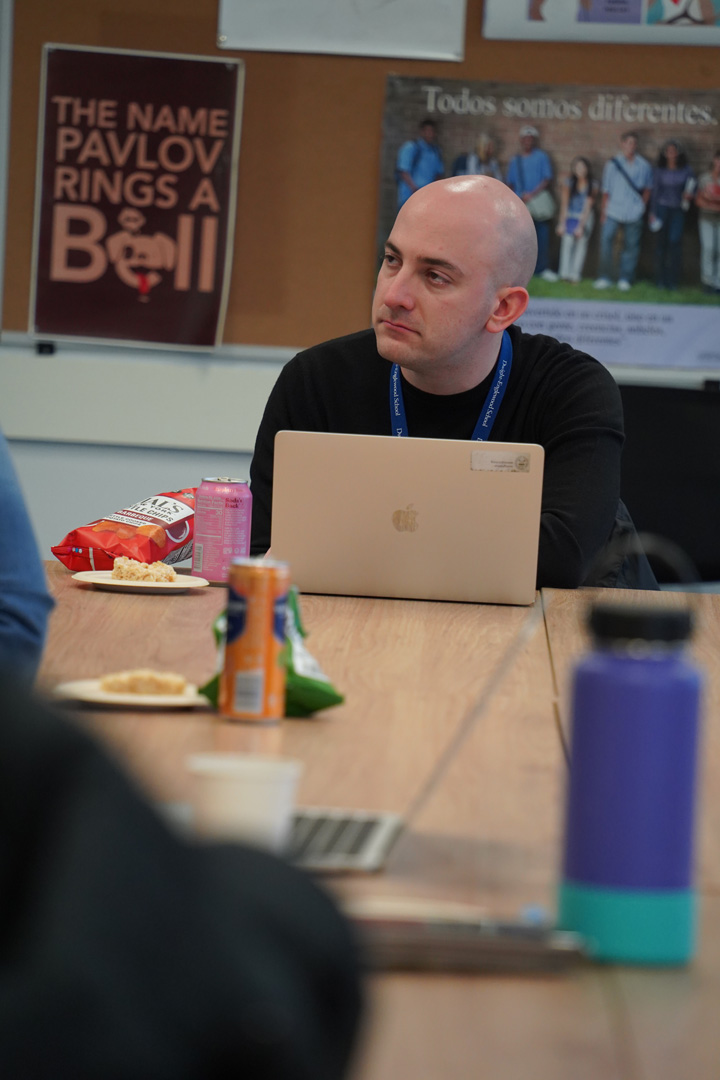
Separately, Director of Learning Support Janine Whitman presented a workshop on how to design lessons—enhanced by AI tools such as Flint—that spark authentic student engagement.
“The genesis for this [initiative] is to re-focus teaching and learning and to center this notion of a ‘whole-souled citizen’ that is highlighted in the strategic plan,” said Ms. Fibiger.
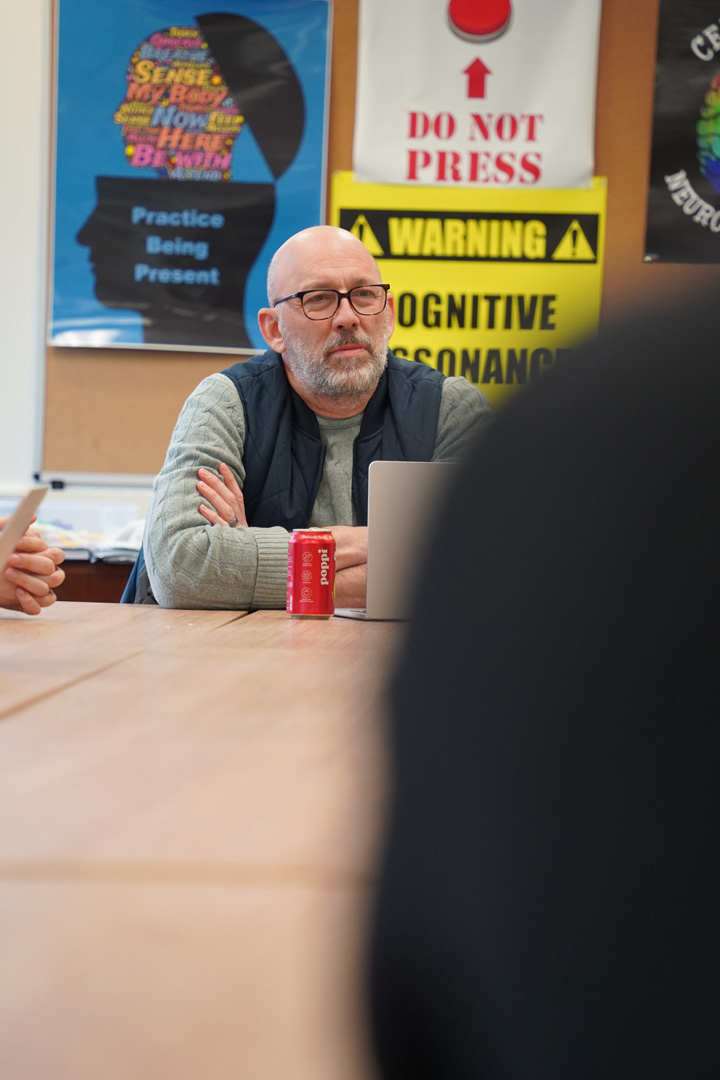
US Counselor David Sarfati, meanwhile, led a presentation exploring how societal gender norms and expectations for boys and men influence their social-emotional development.
As part of a subsequent session, Middle School (MS) Counselor Ariel Levitan reflected on the power of teacher-student relationships and discussed strategies for building trust with students and conducting restorative conversations after challenging moments.
In addition, Director of Counseling Services Deirdre O’Malley, Psy.D., unpacked a new framework for understanding how children and adolescents grow, learn, and thrive, so that approaches are aligned to better meet students where they are—developmentally, emotionally, and academically.
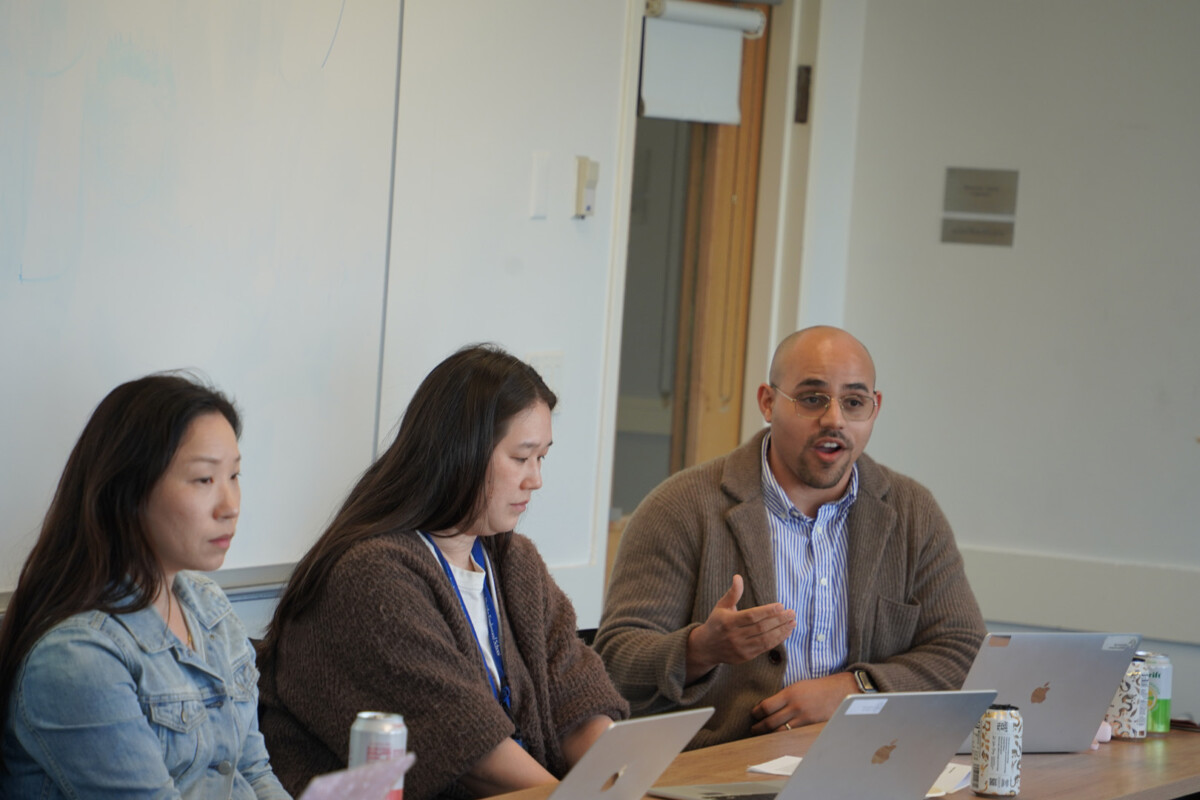
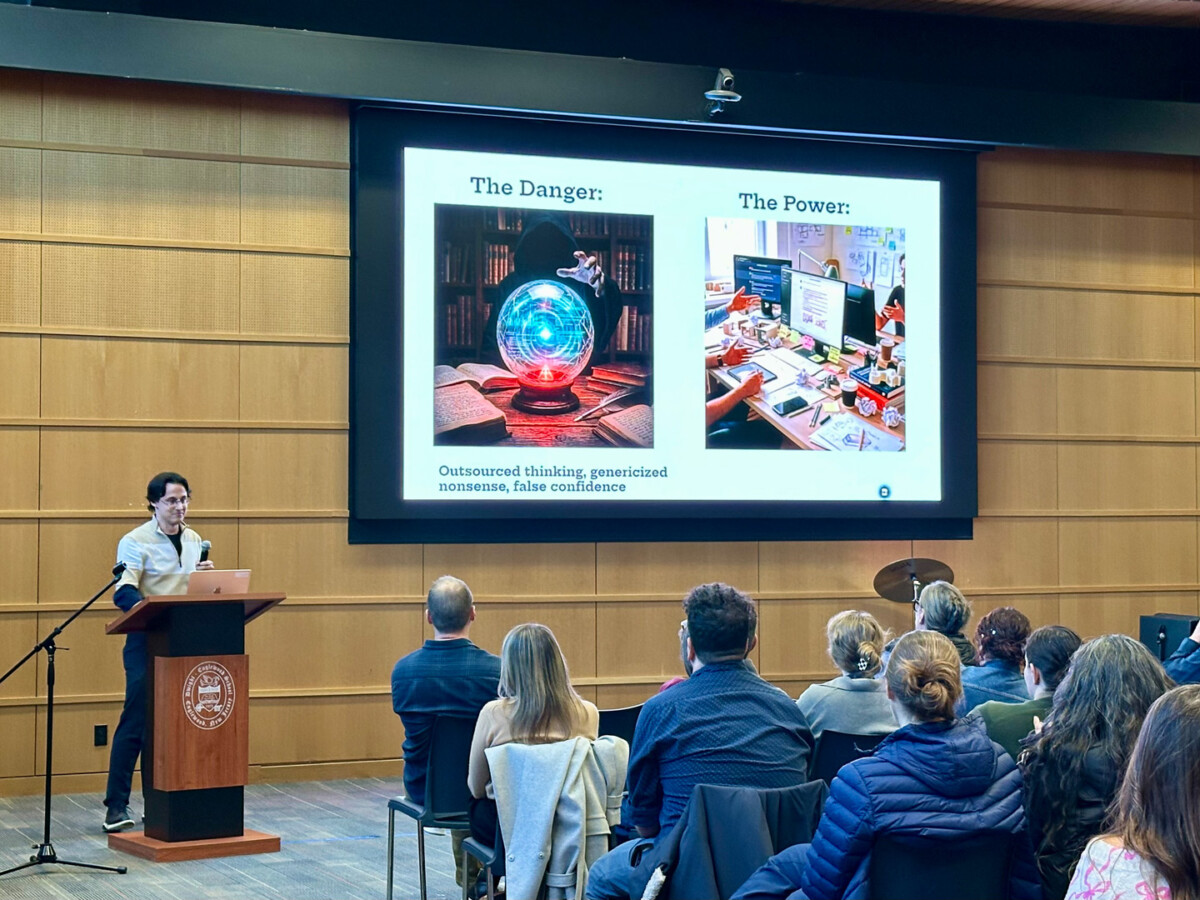
In March, a team of D-E Tech Liaisons, including Chief Innovation Officer Diana Gross, US World Language Teacher Jay Lucci, MS Science Teacher Hyo Kim, and MS English Teacher Amanda Burnett, hosted a PD workshop on integrating AI technology and pedagogy to develop students’ cognition and metacognitive awareness (that is, their ability to think about their thinking).
Mr. Lucci noted that all the faculty members on the panel recognized the significance of AI in education early on, and they’ve been learning about it on their own and through peer networks.
“Their biggest concern is not AI in itself—which they view as a potentially valuable tool—but the erosion of productive struggle and thinking in our students,” he said. “Therefore, they strongly advocate using AI to perform more mundane tasks… and to support ‘durable skills’ by prompting critique, comparison, reflection, and creativity.”
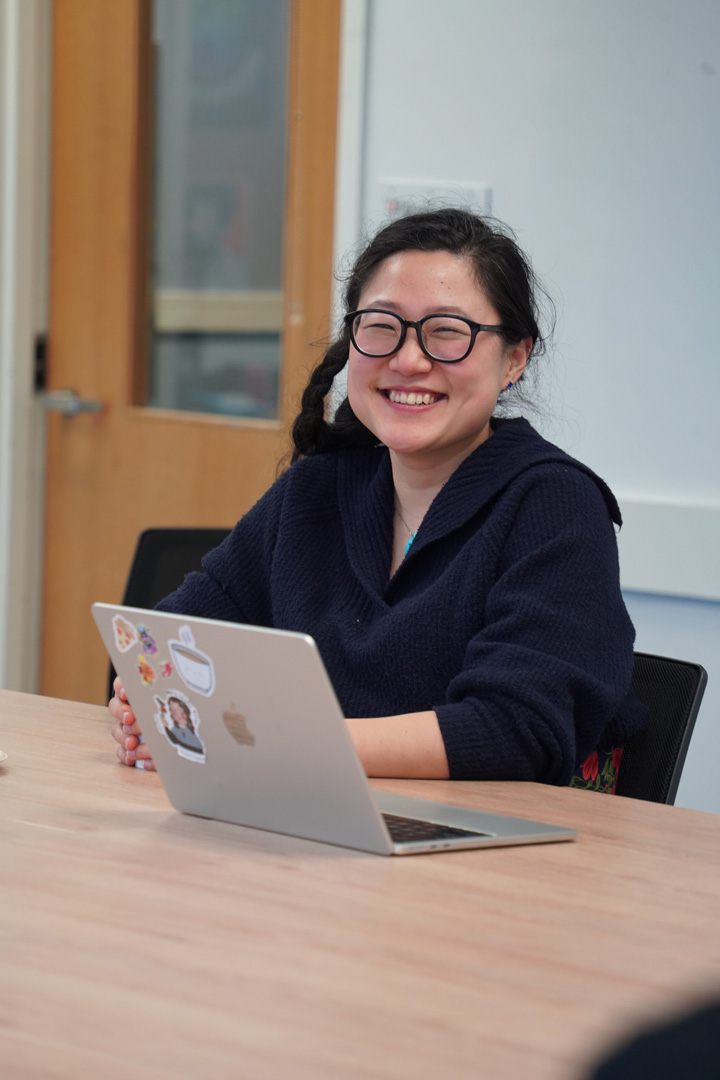
For example, during her presentation, Ms. Kim demonstrated how she piloted Flint K-12 activities that fostered spaced learning as a study aid in her Eighth Grade Science classes.
Meanwhile, Ms. Burnett said she “presented the results of using a metacognitive check in my most recent project for the book The Berlin Boxing Club.” She added, “I used Brisk Teaching and Google Forms to brainstorm several metacognitive questions and then built them into the project process. This check allowed students to explain each project option’s goals, and the skills, strategies and resources required for success.”
“Fostering metacognition skills aligns with our mission because it meets two goals—our goal of lifelong learning and the ability to meet the challenges of a changing world,” remarked Ms. Kim.
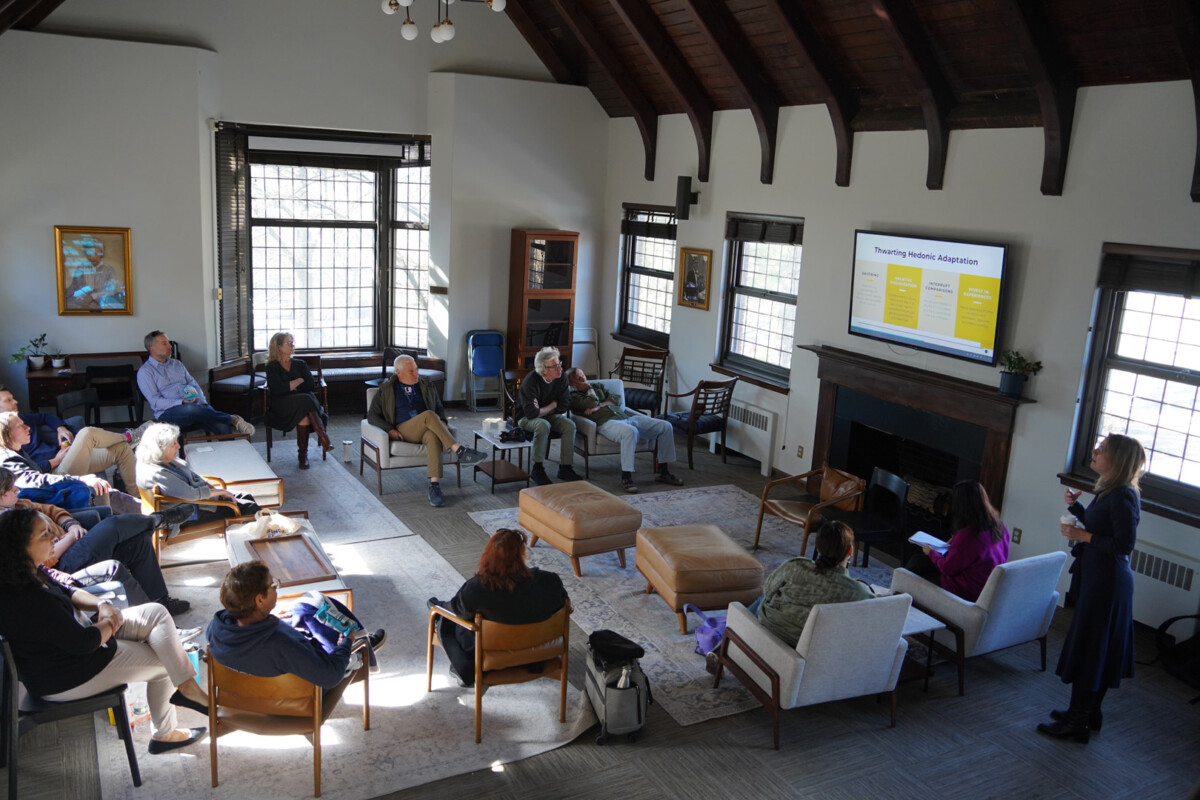
The PD opportunities continued this month with another D-E Tech Liaisons session on using AI tools to design human-centric lessons; designing study strategies using the Universal Design for Learning (UDL) framework, presented by US Learning Specialist David Wallin and MS Learning Specialist Julie Luchs P’16, P’19; and a presentation by Dr. O’Malley on the science of happiness.
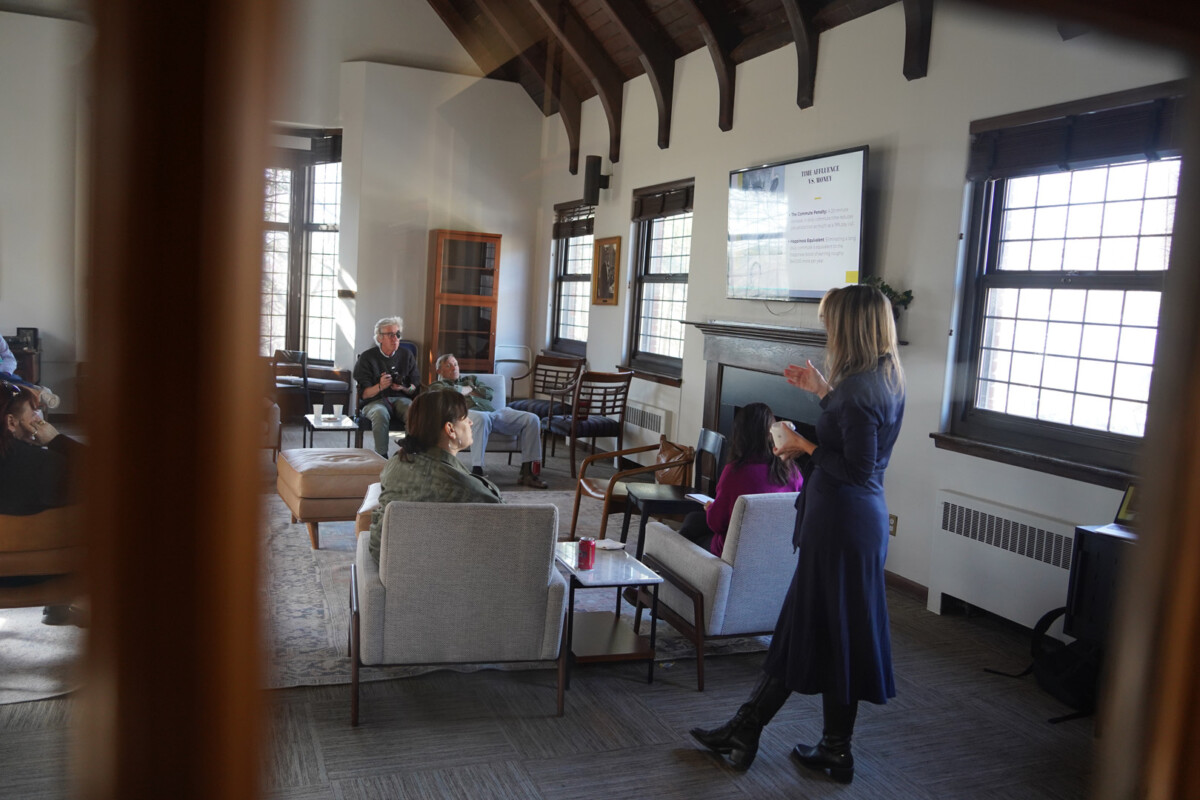
According to Dr. O’Malley, her session explored the latest research in positive psychology, a topic she covers in her 10th Grade Seminar. “We unpacked evidence-based strategies that boost well-being and life satisfaction and discussed how these insights can enrich both our lives and our work with students.”
The ultimate goal is that together we’ll develop the flexibility, empathy, and reflective practice needed to nurture students’ minds and hearts in a world that demands both human wisdom and adaptive thinking.